




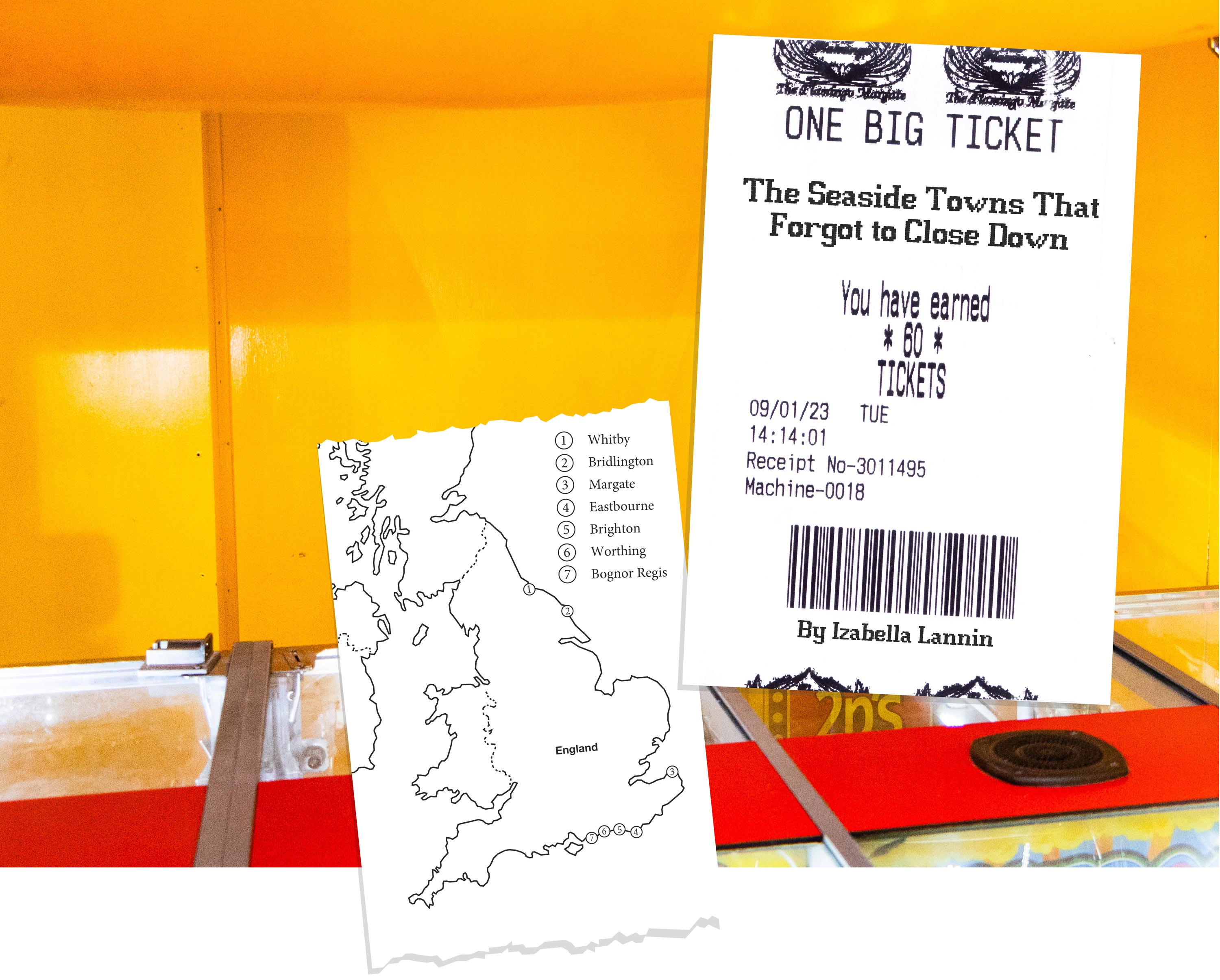
Introduction
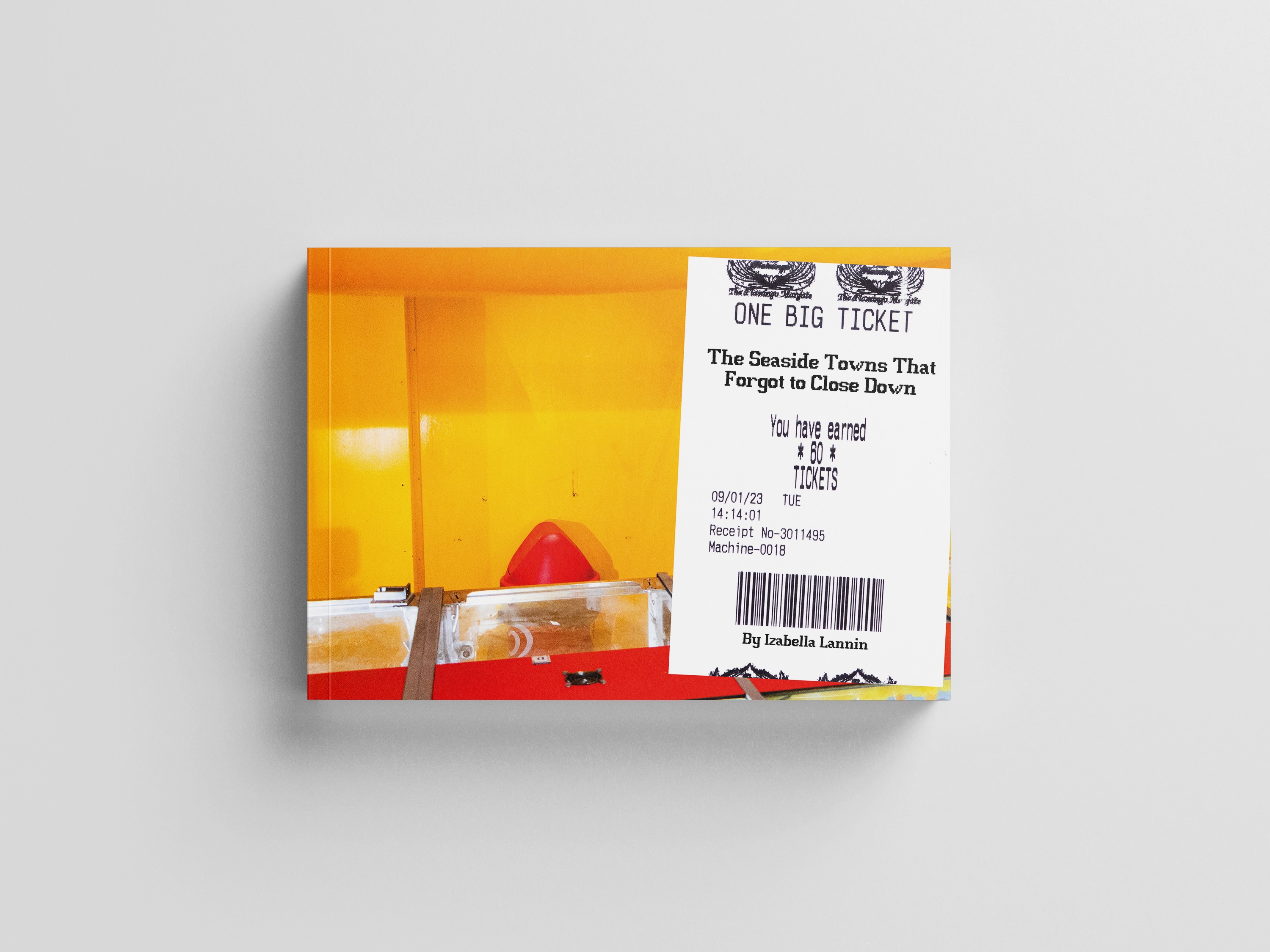
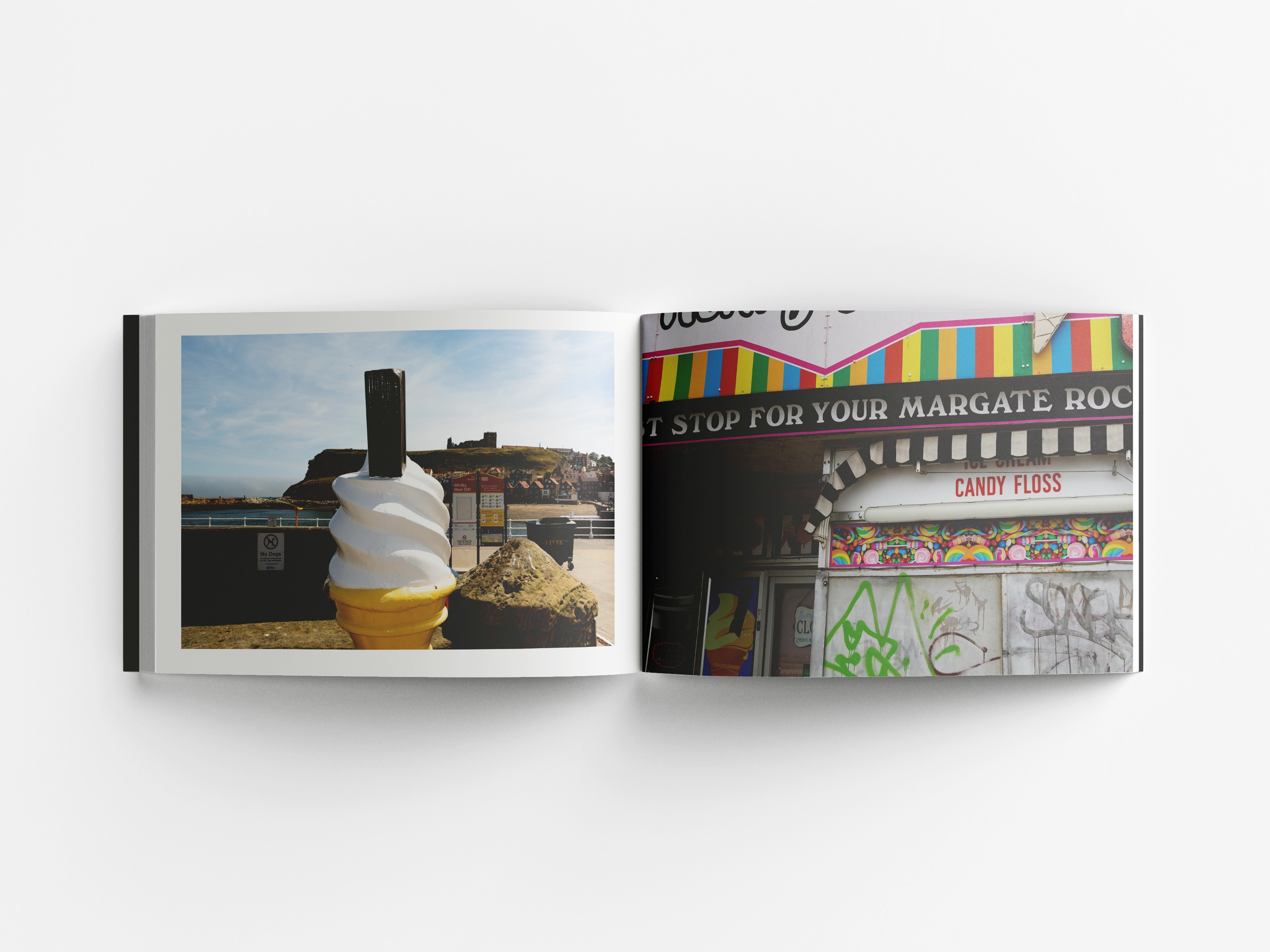
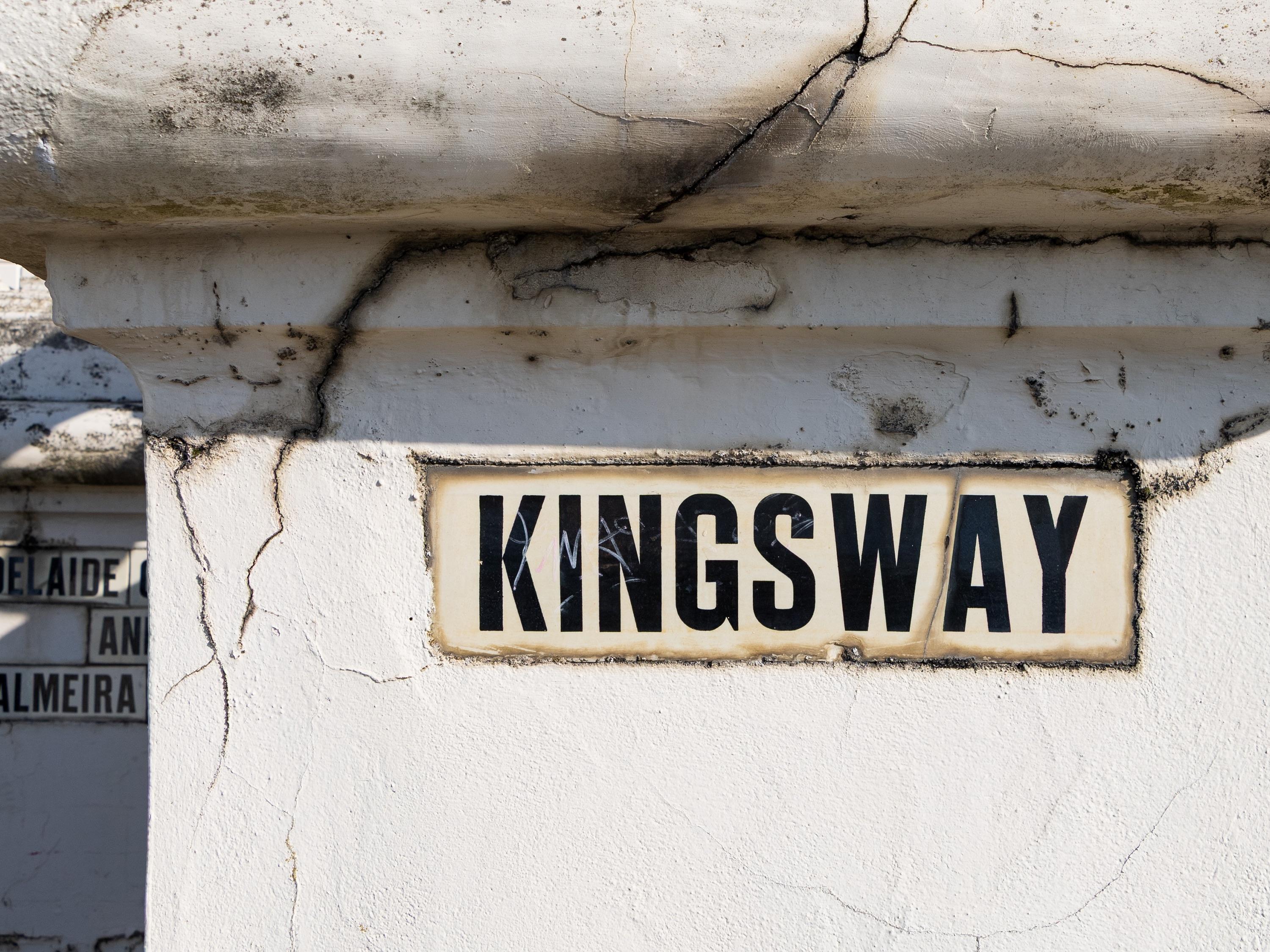
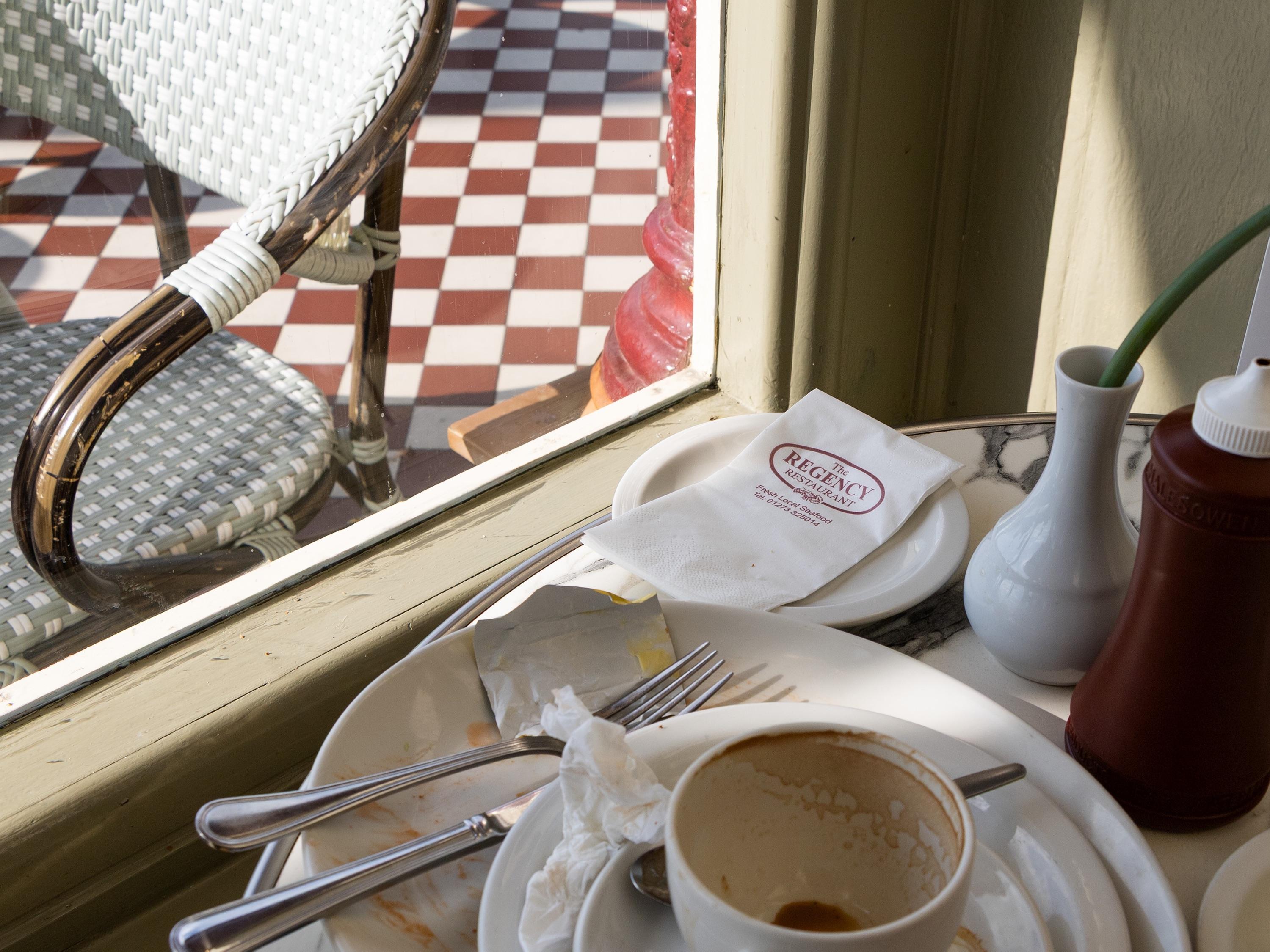
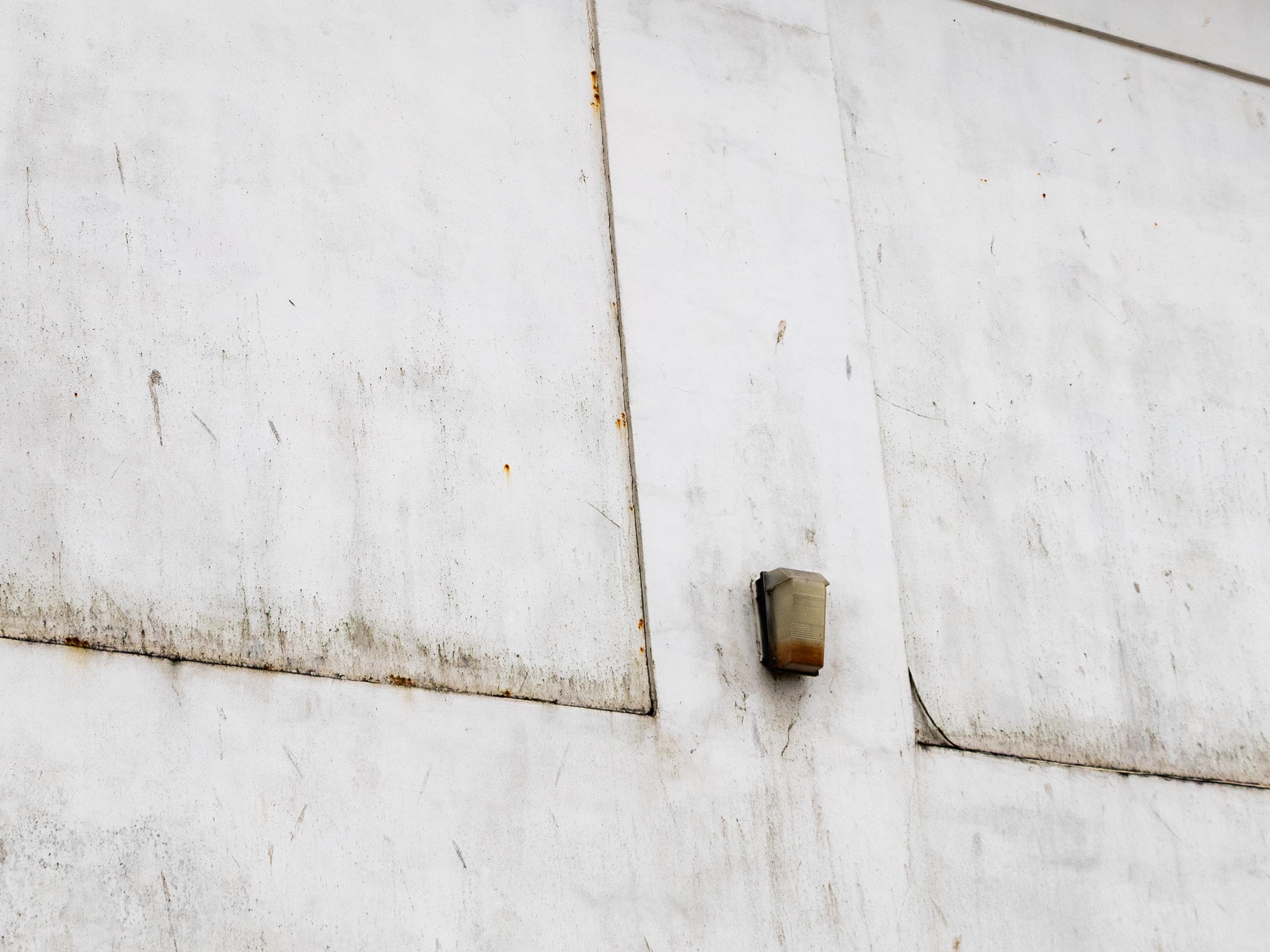
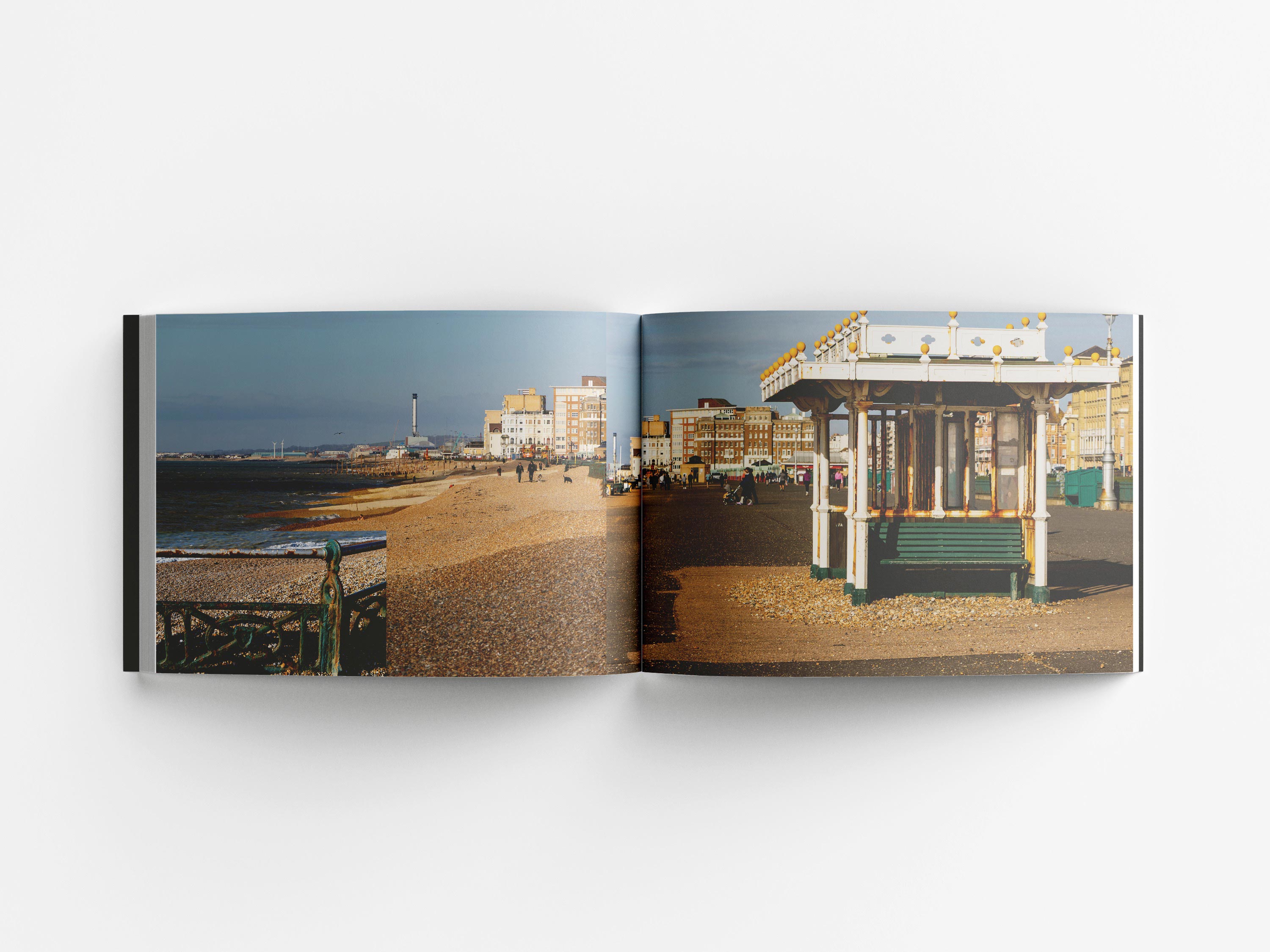
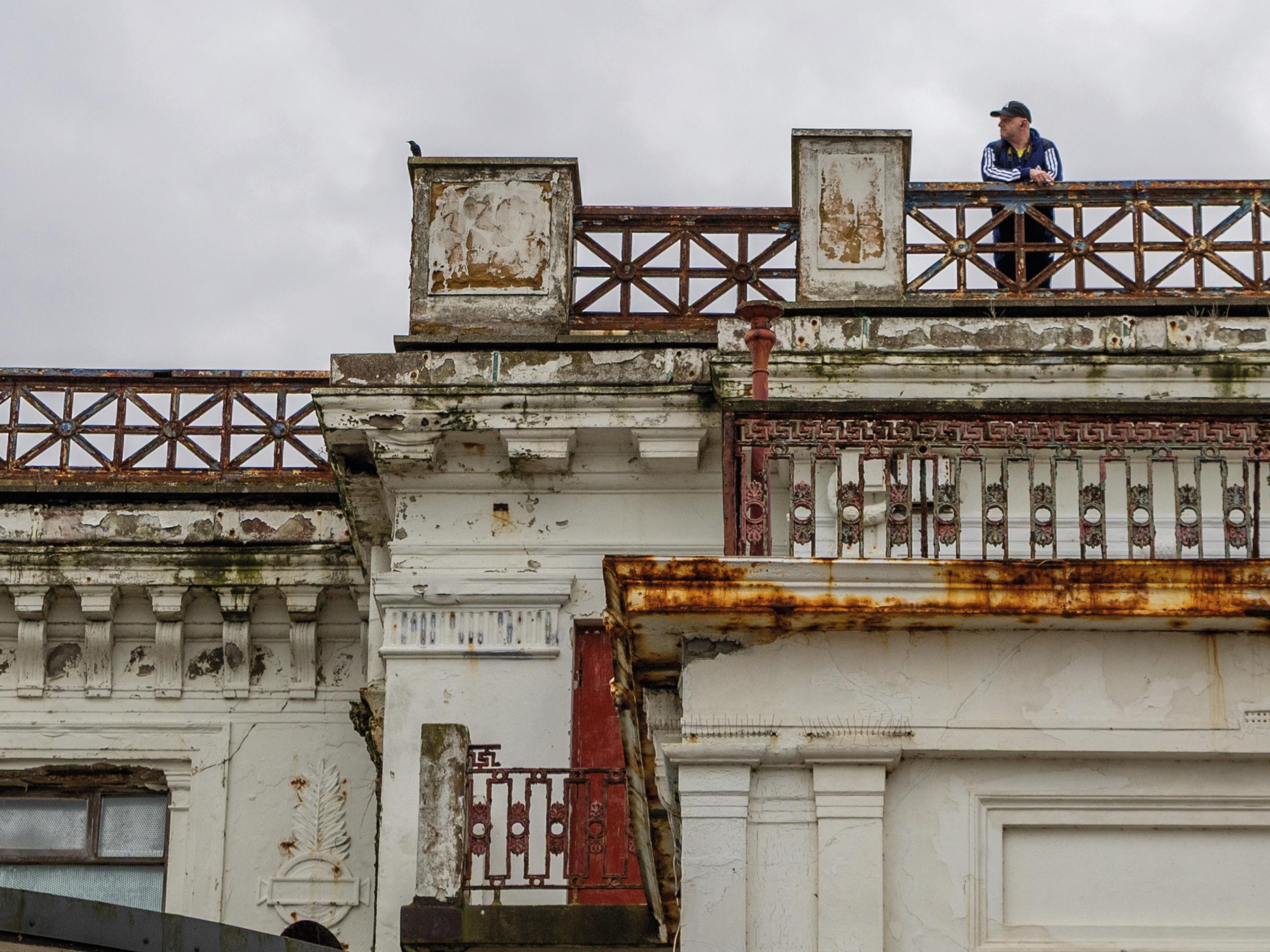
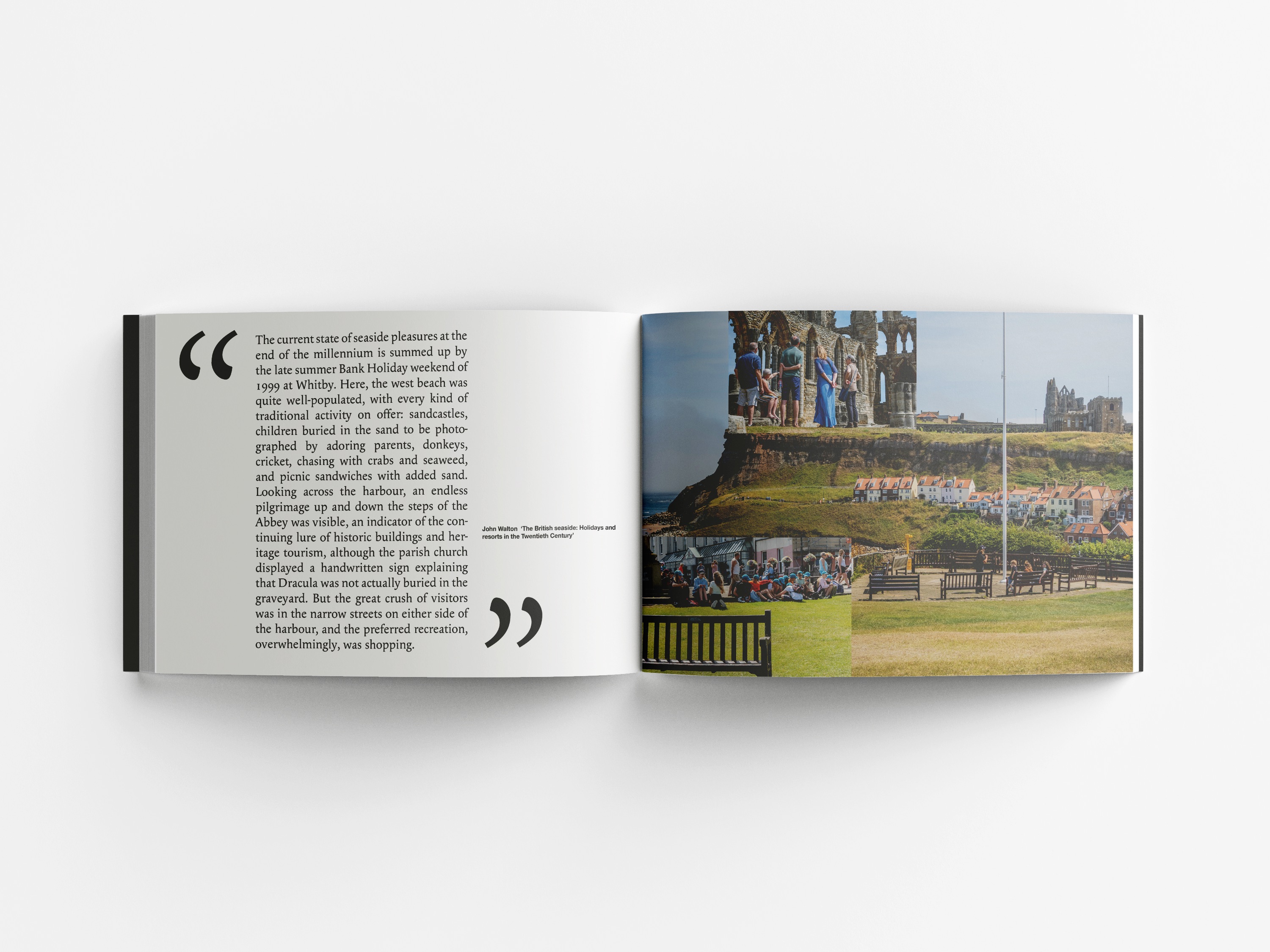
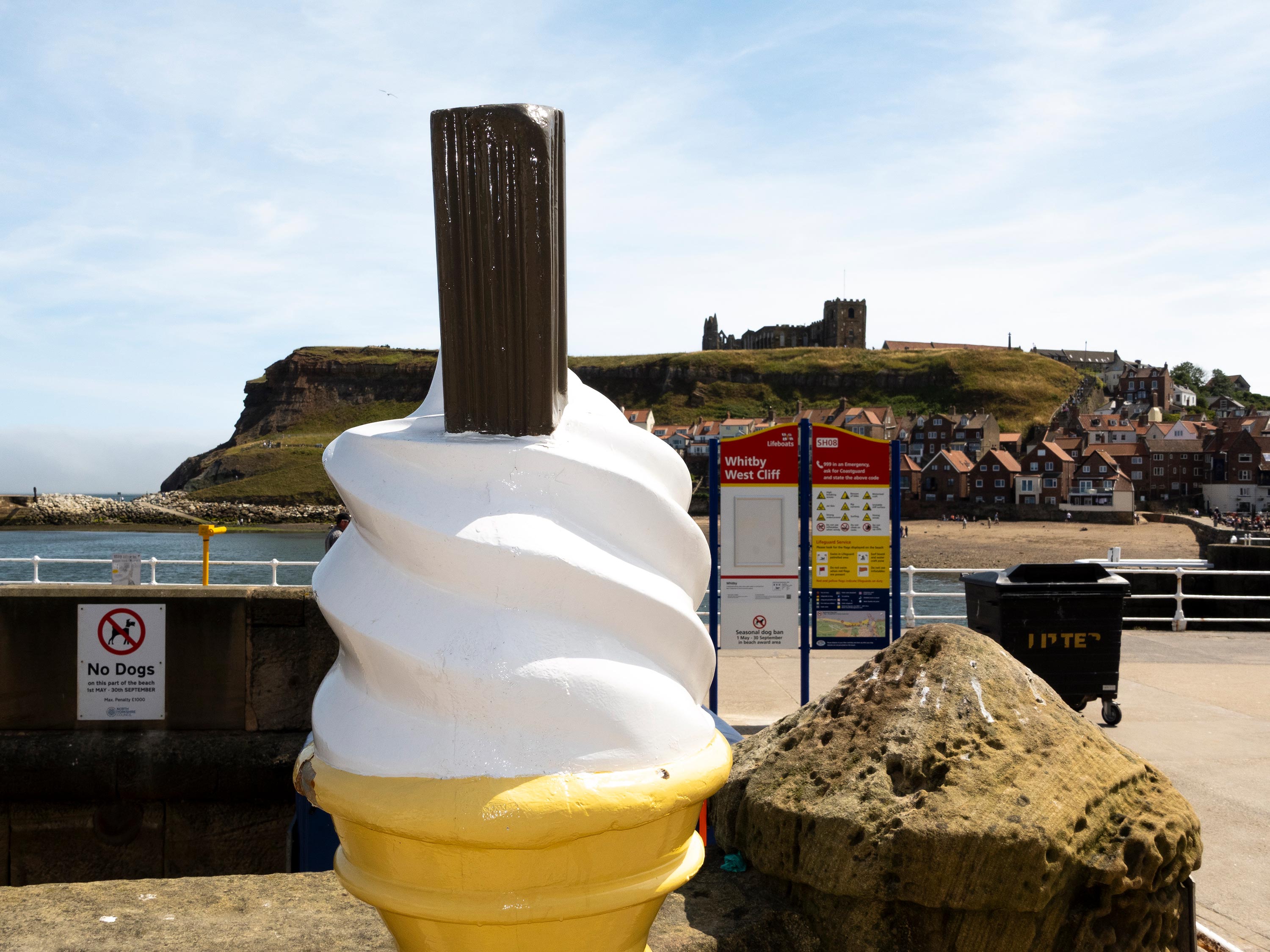
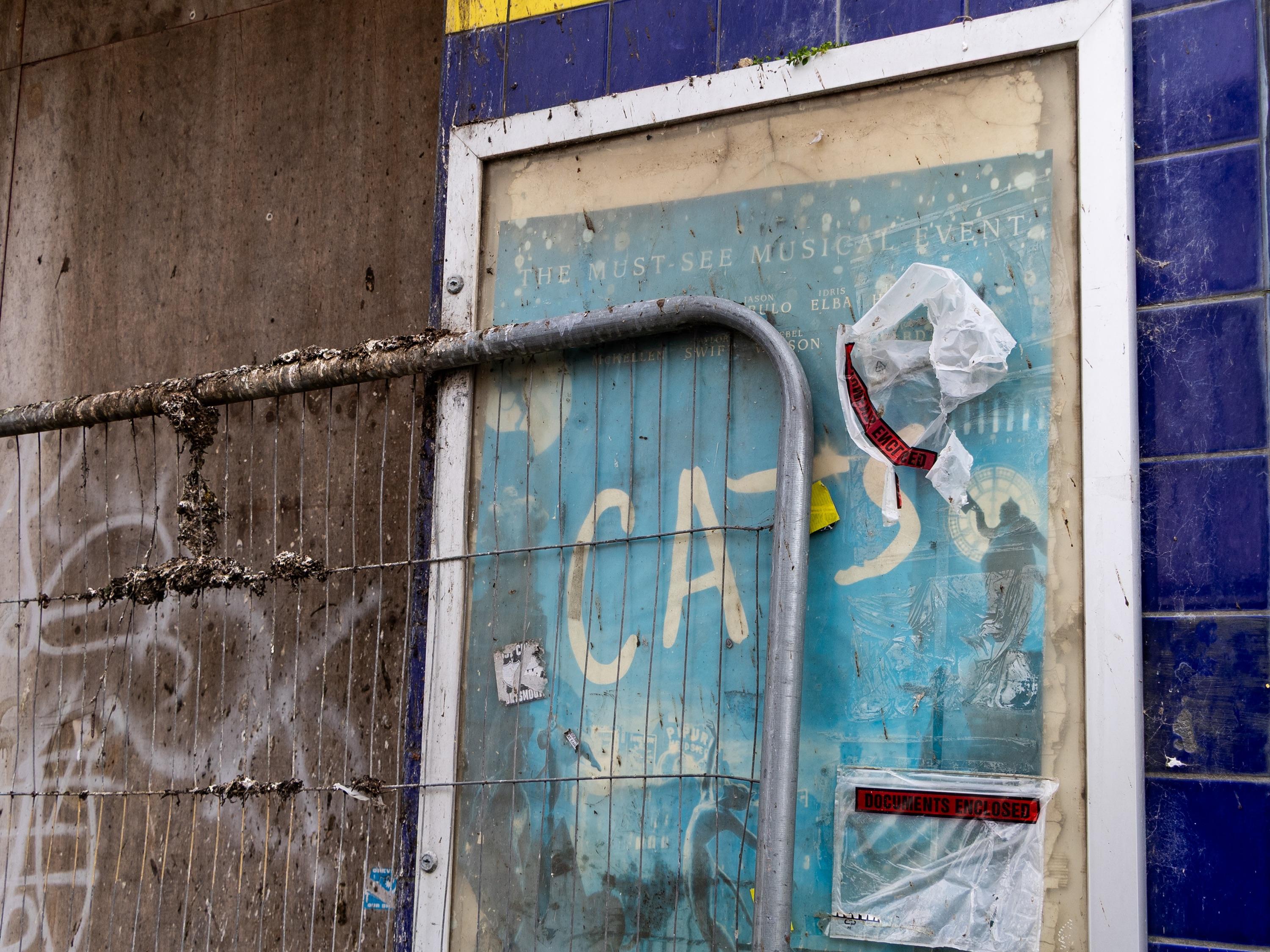
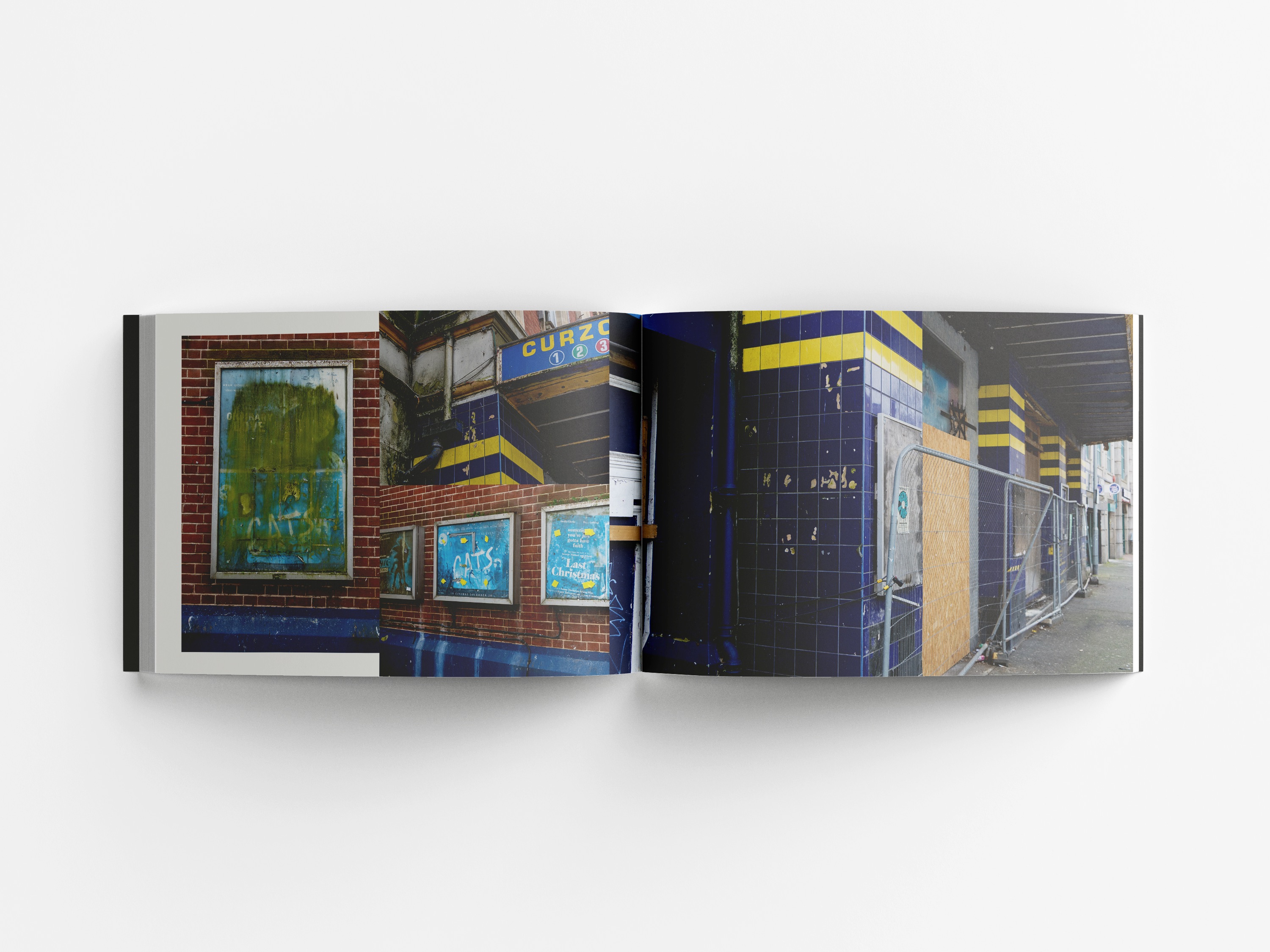
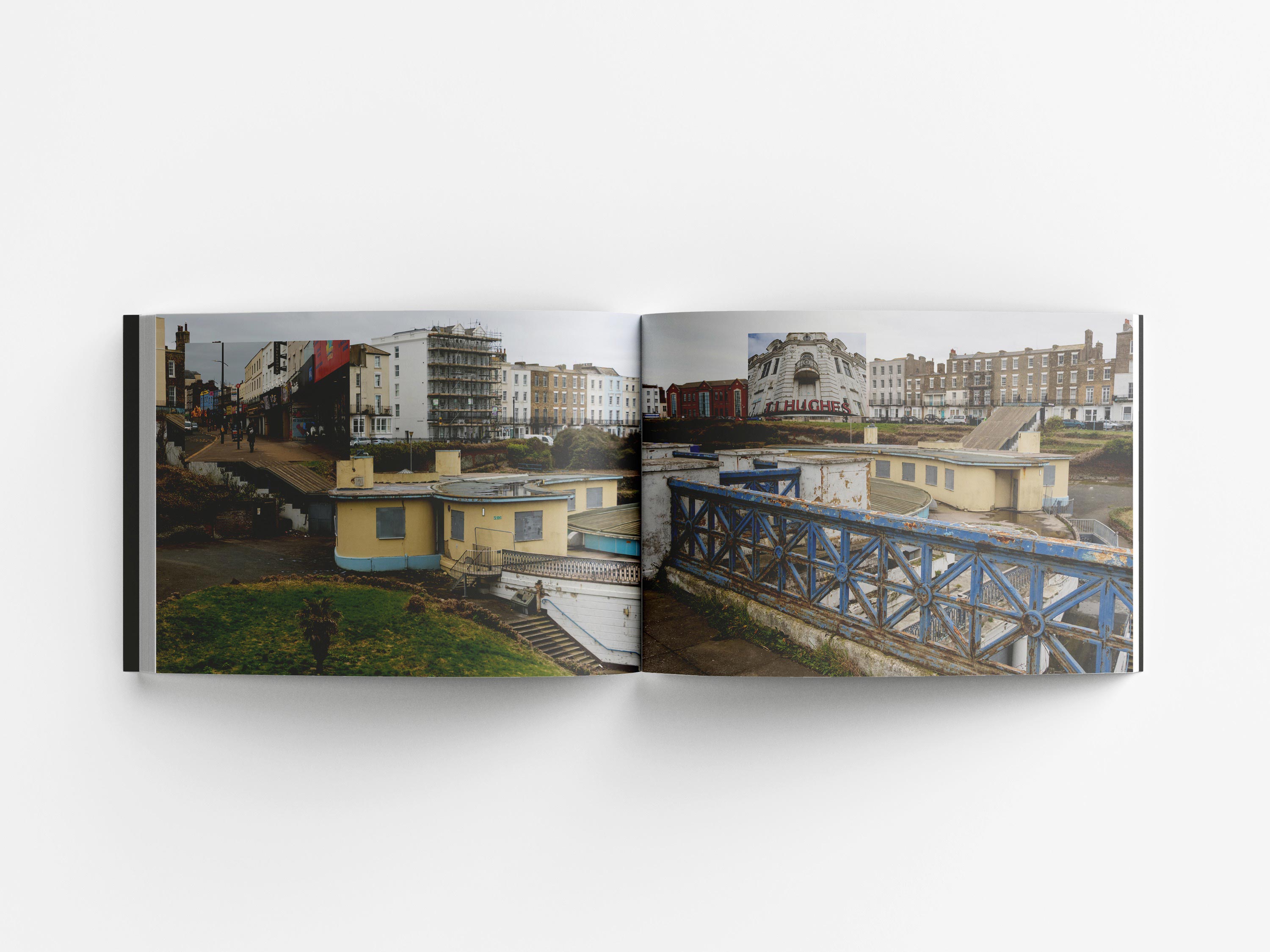
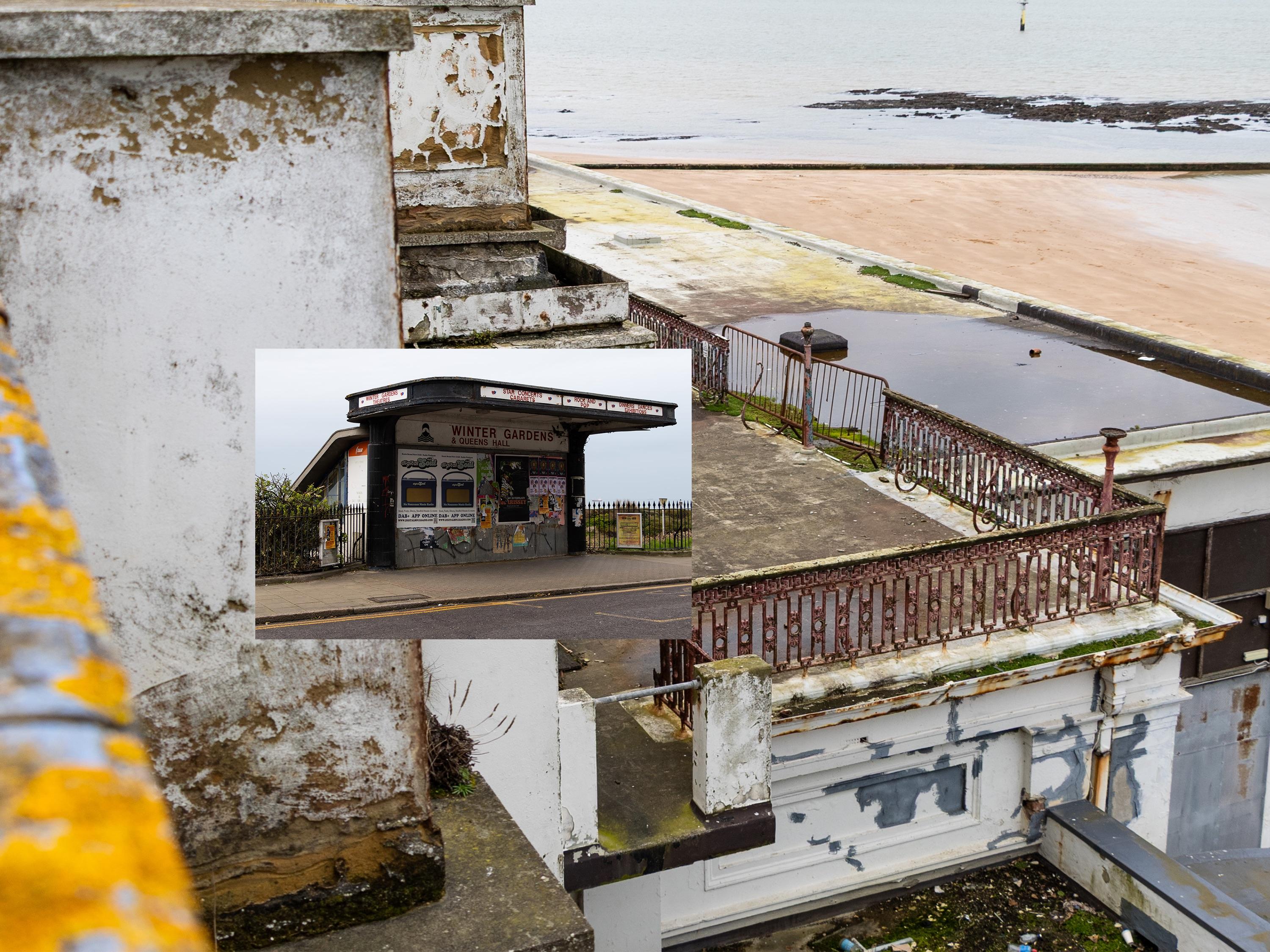
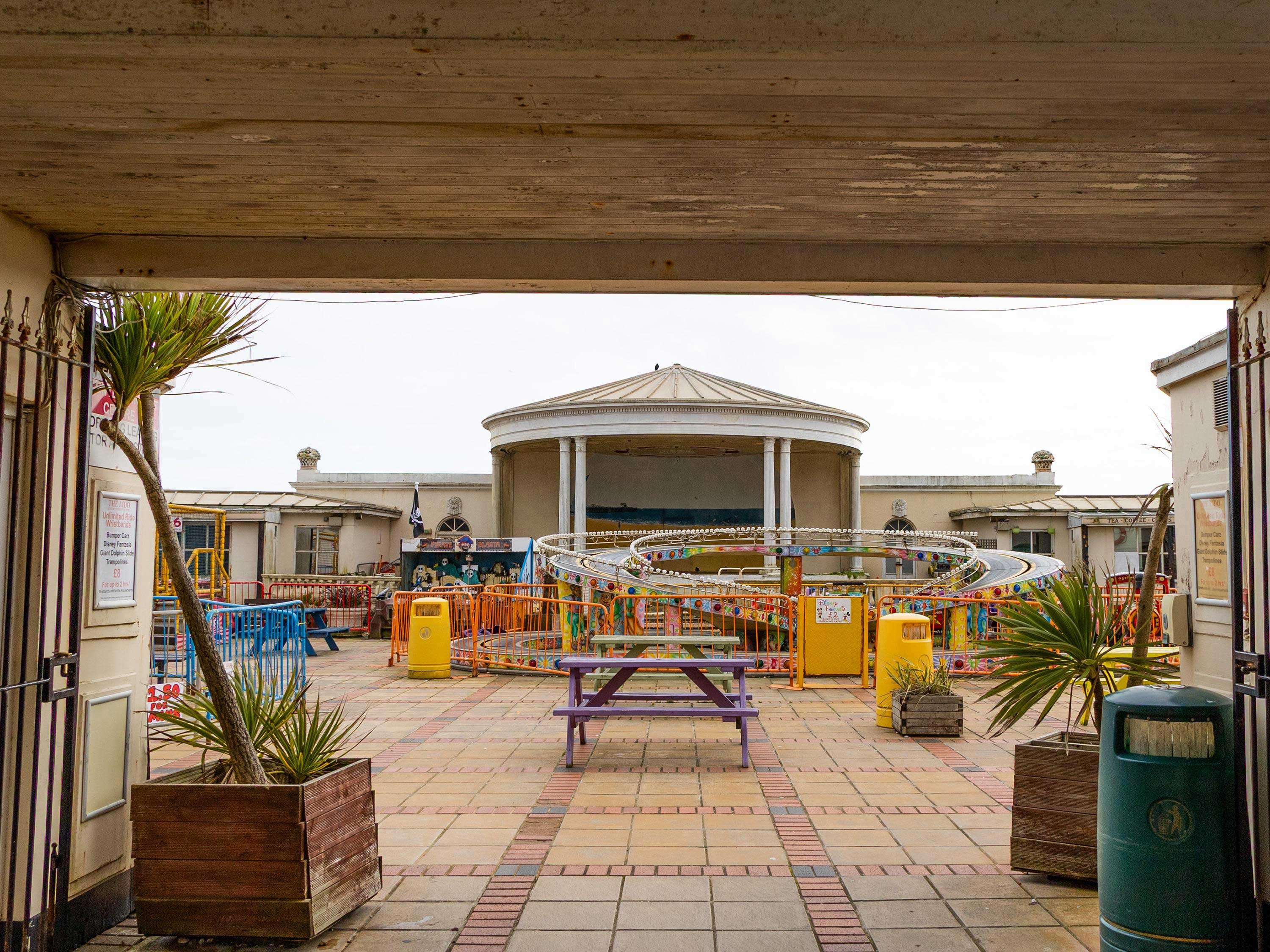
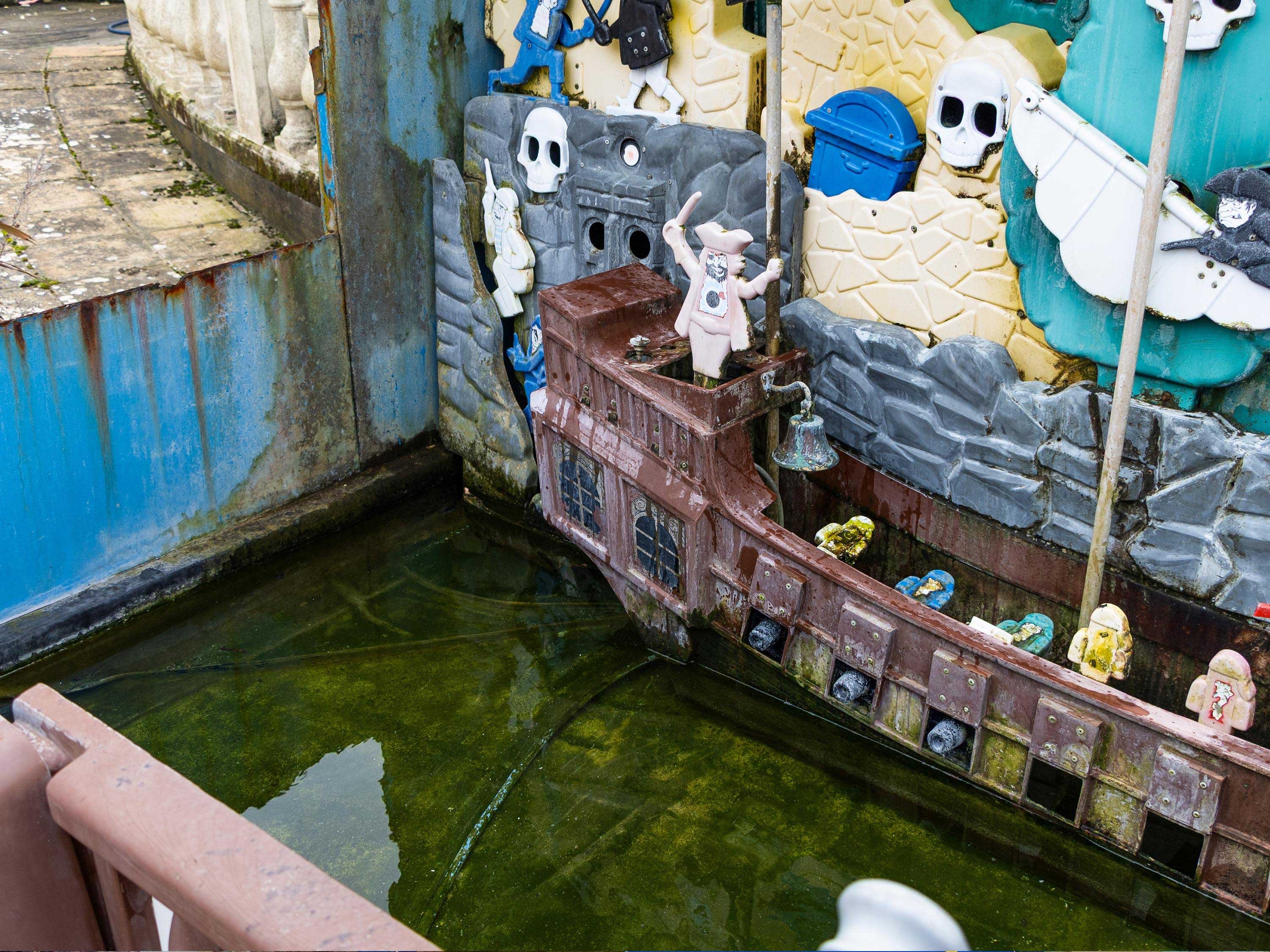
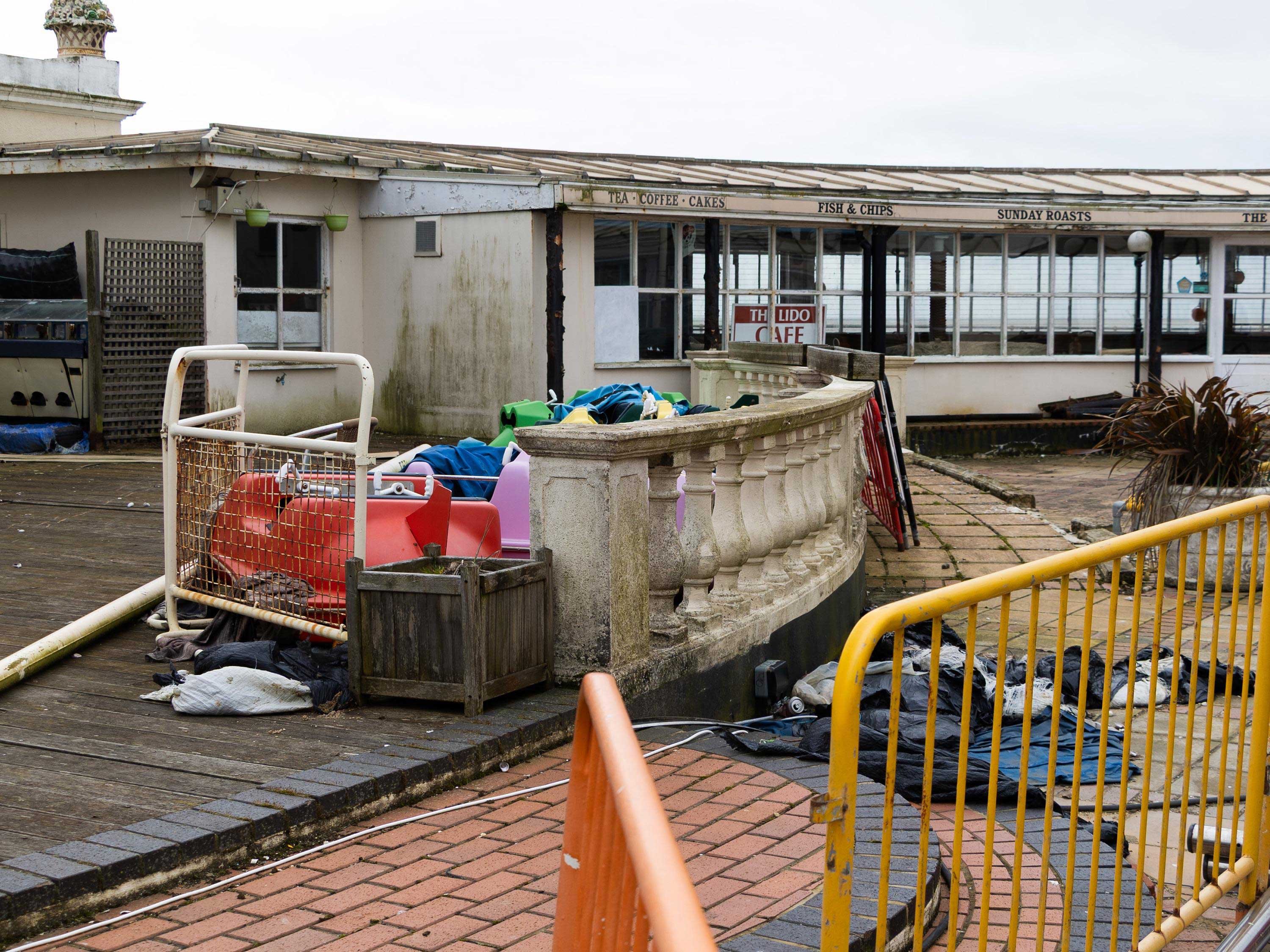
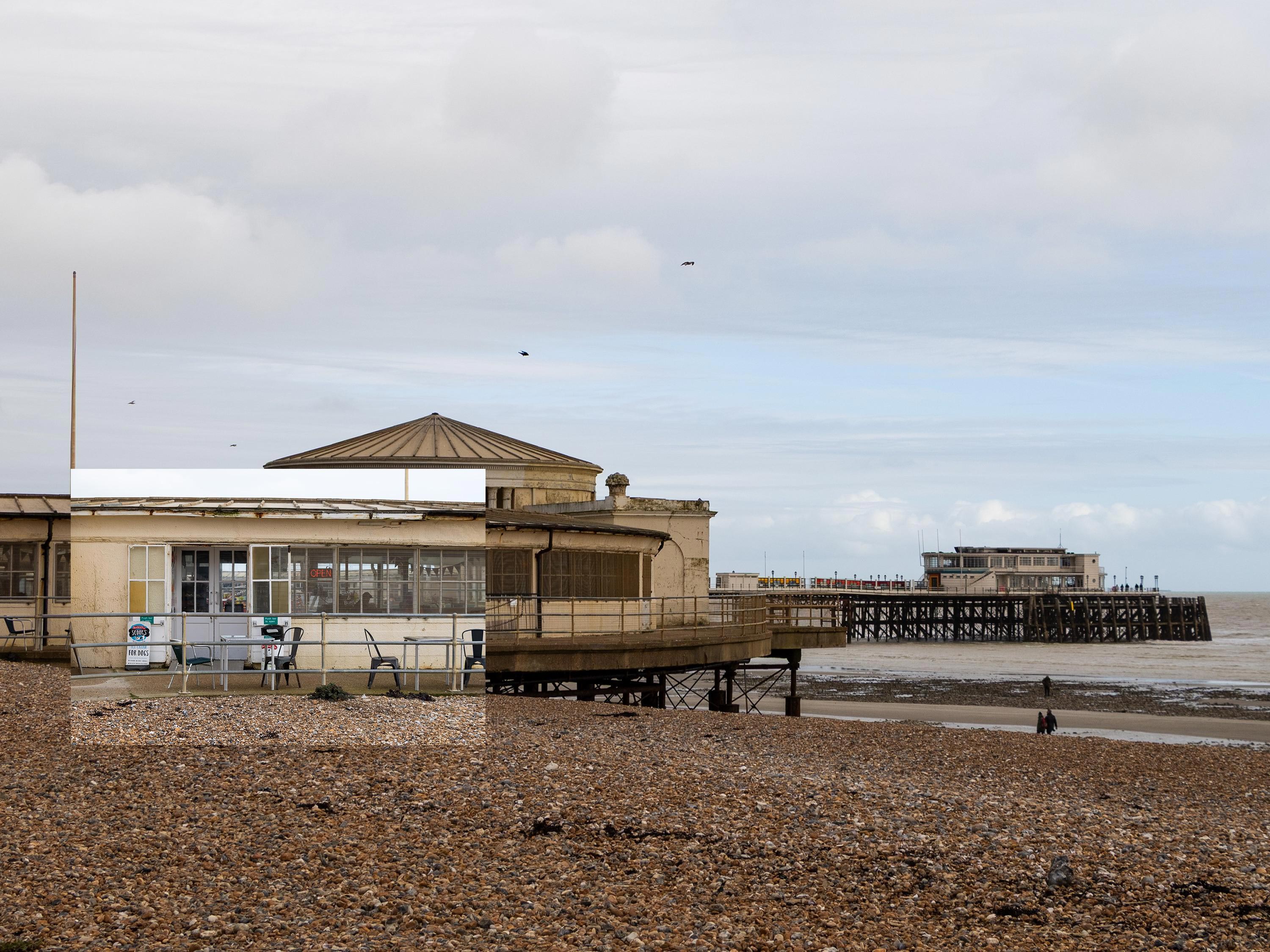
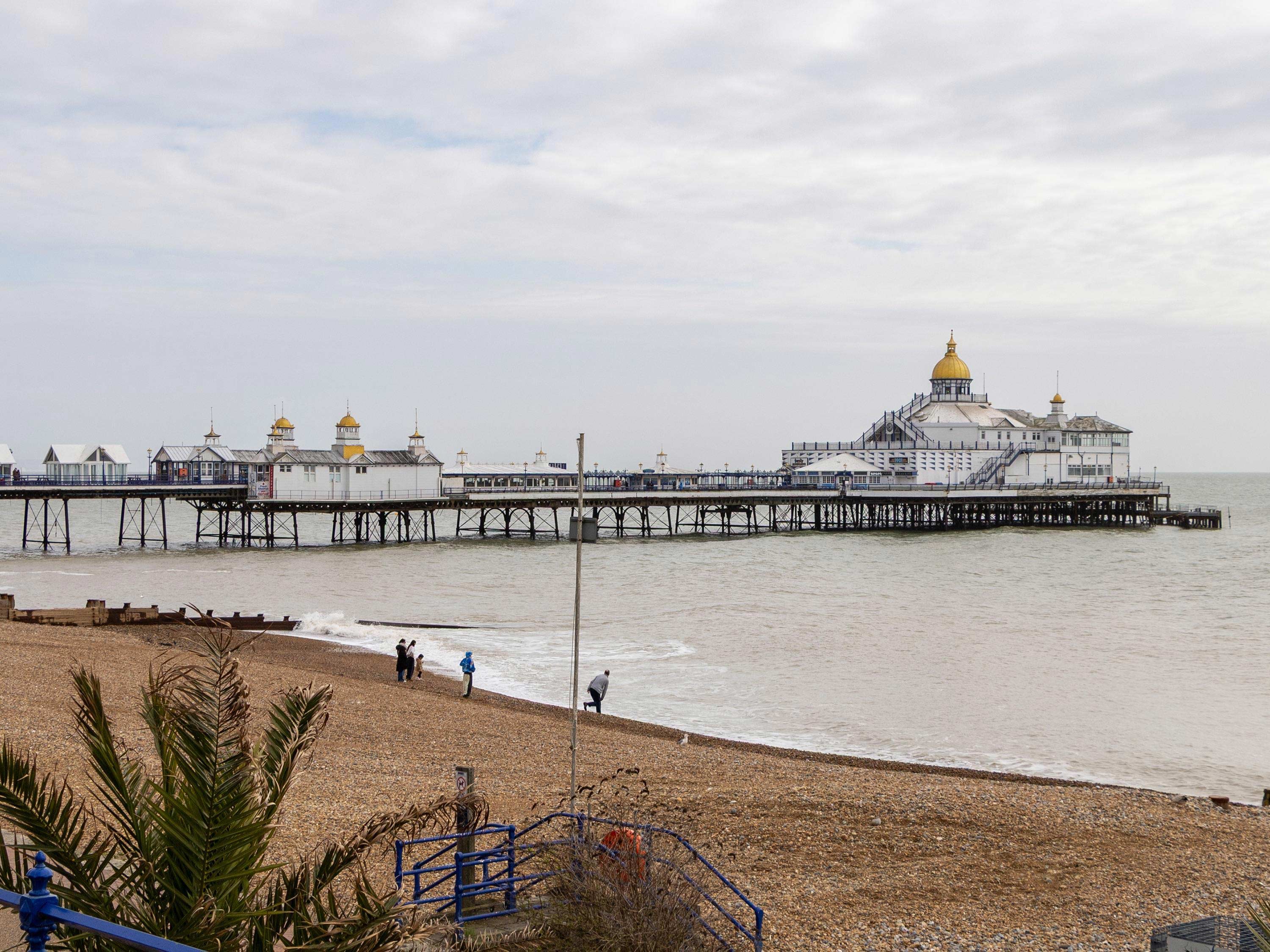
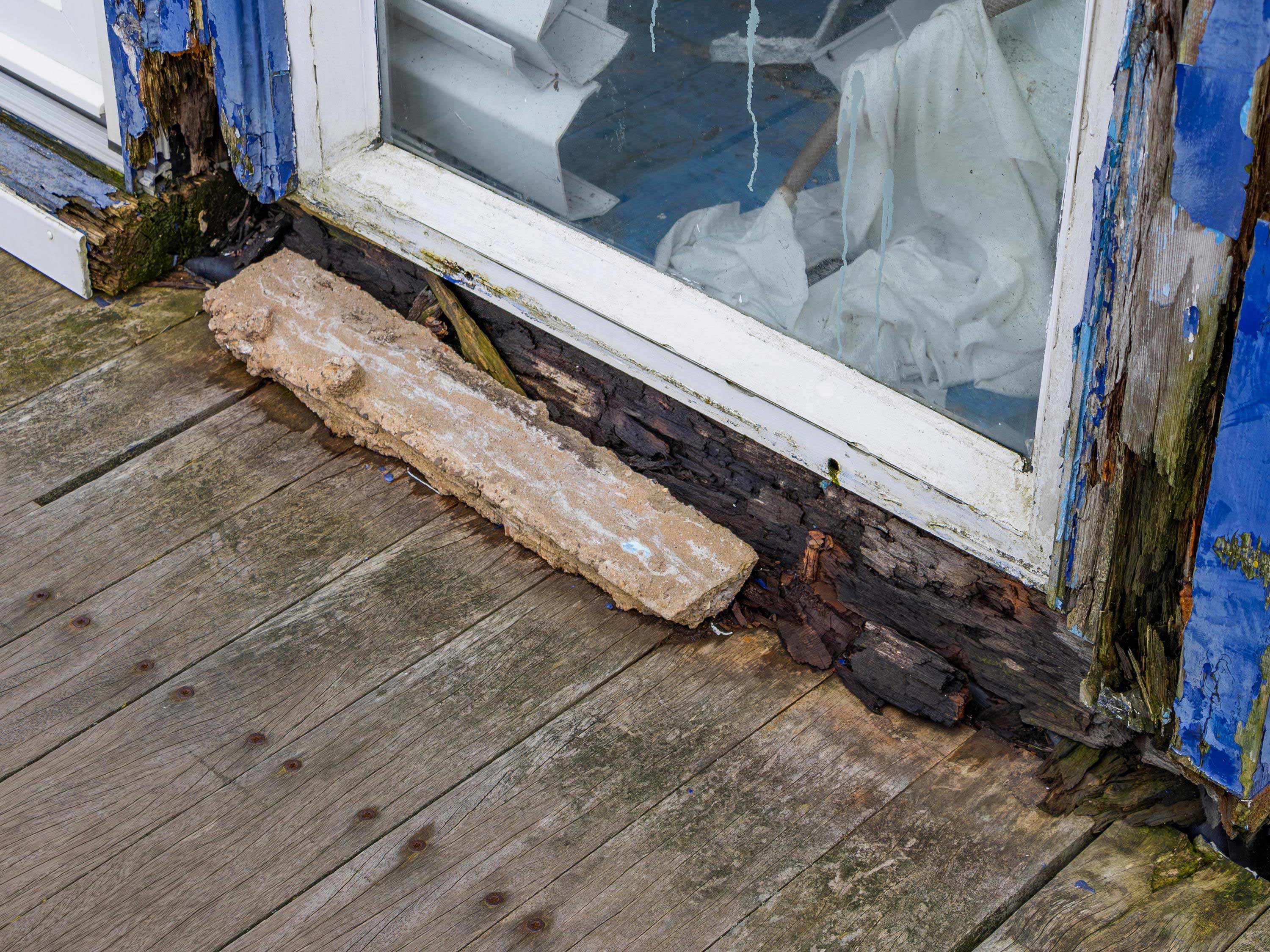
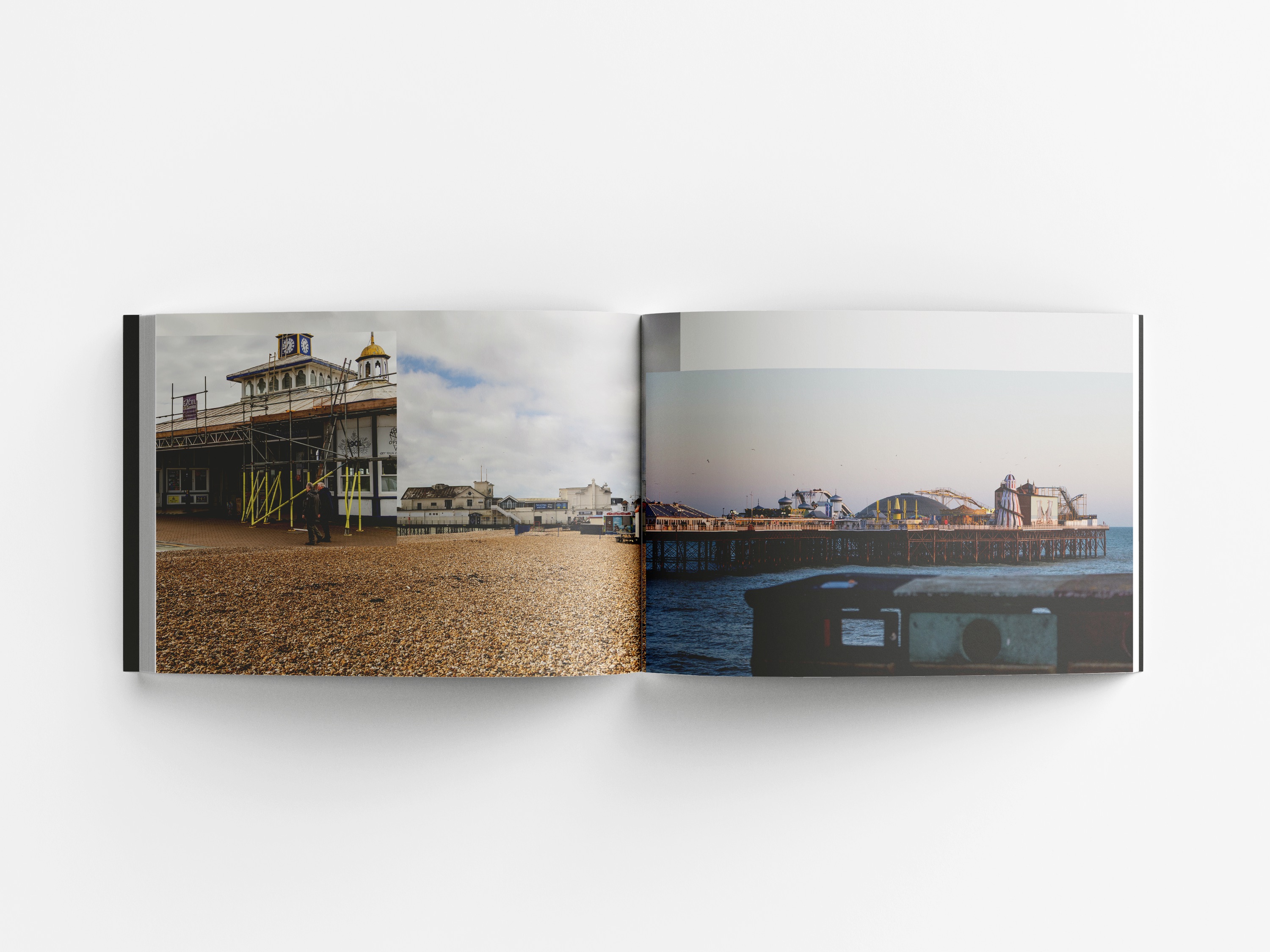
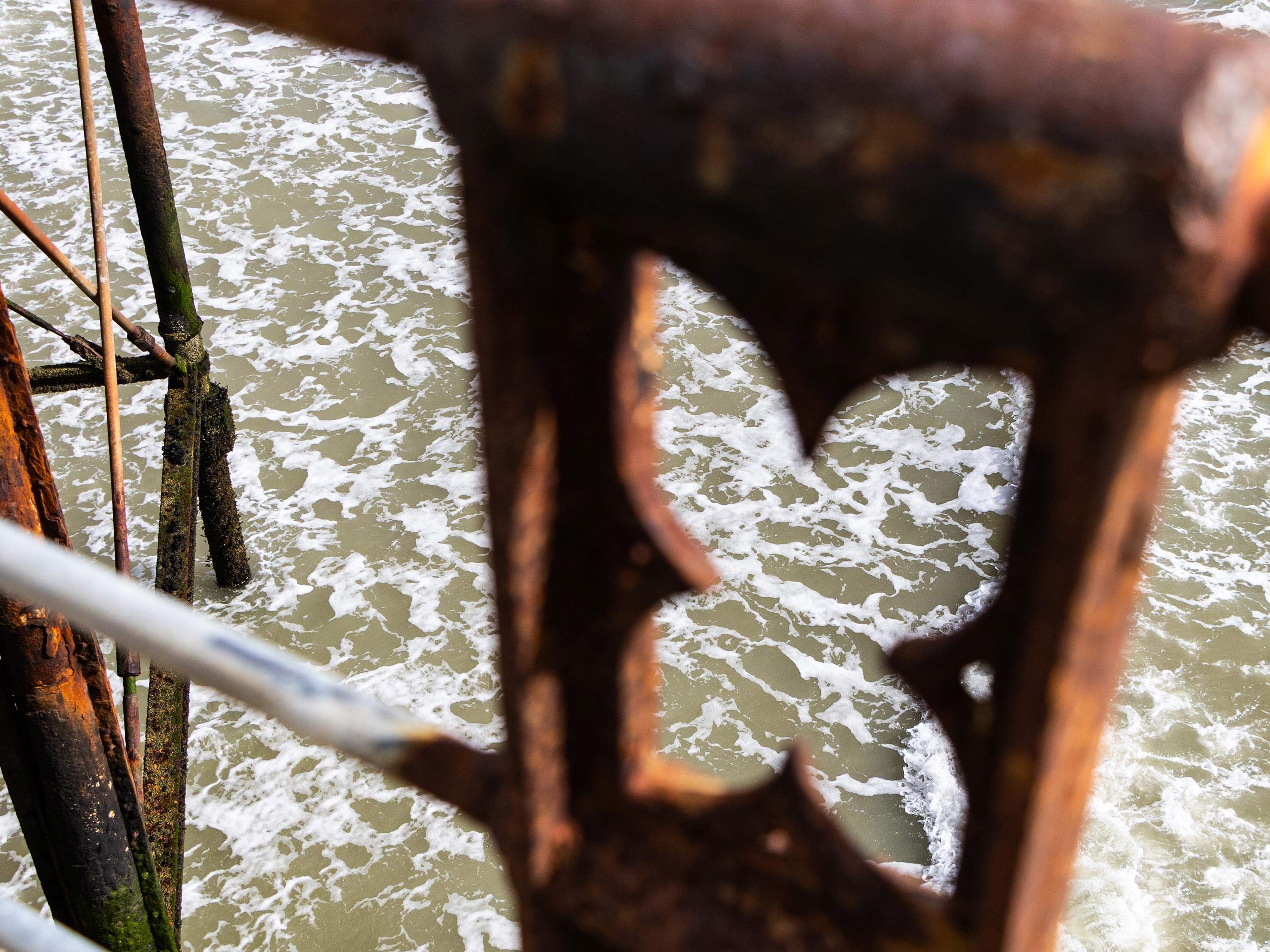
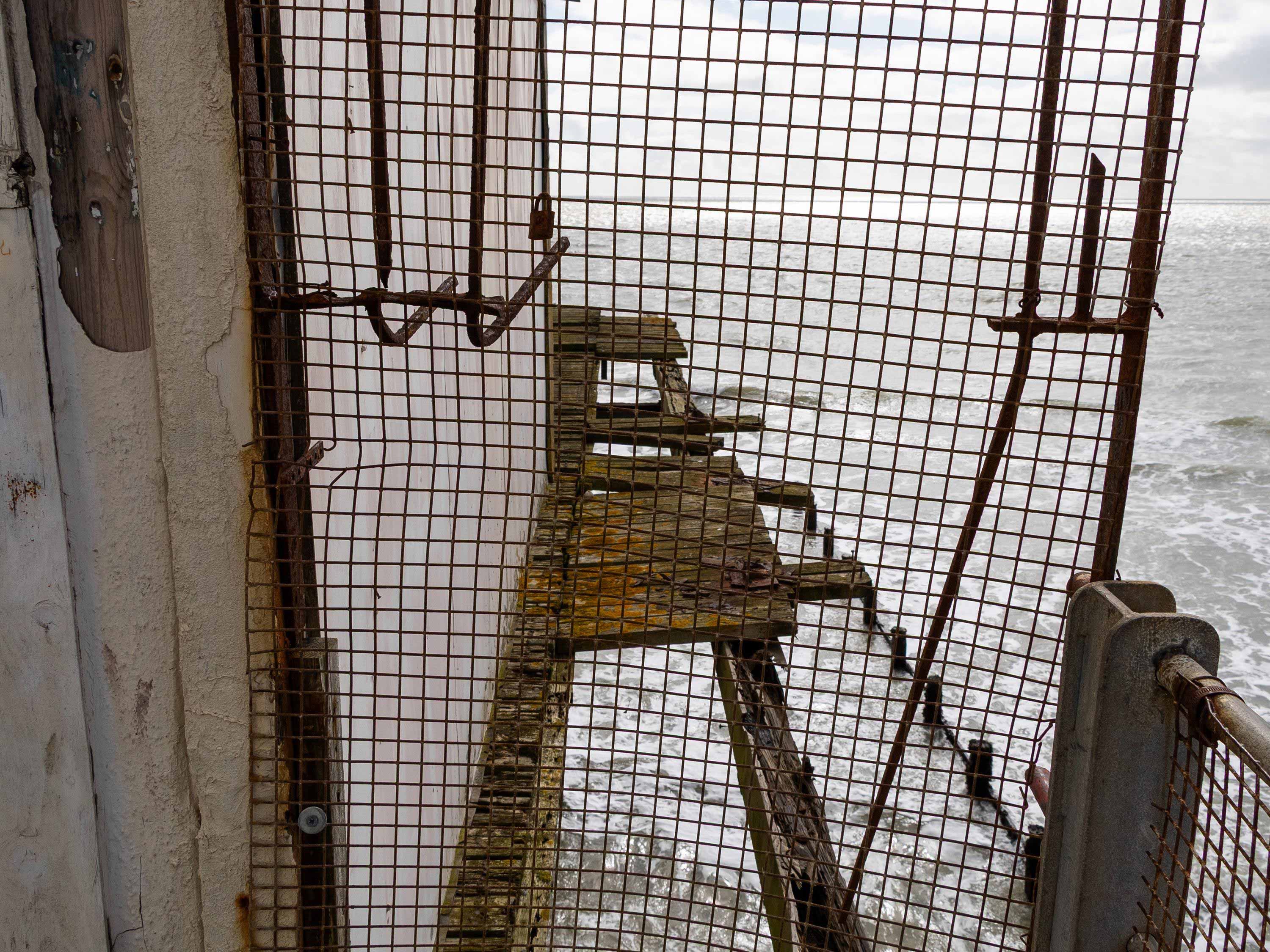
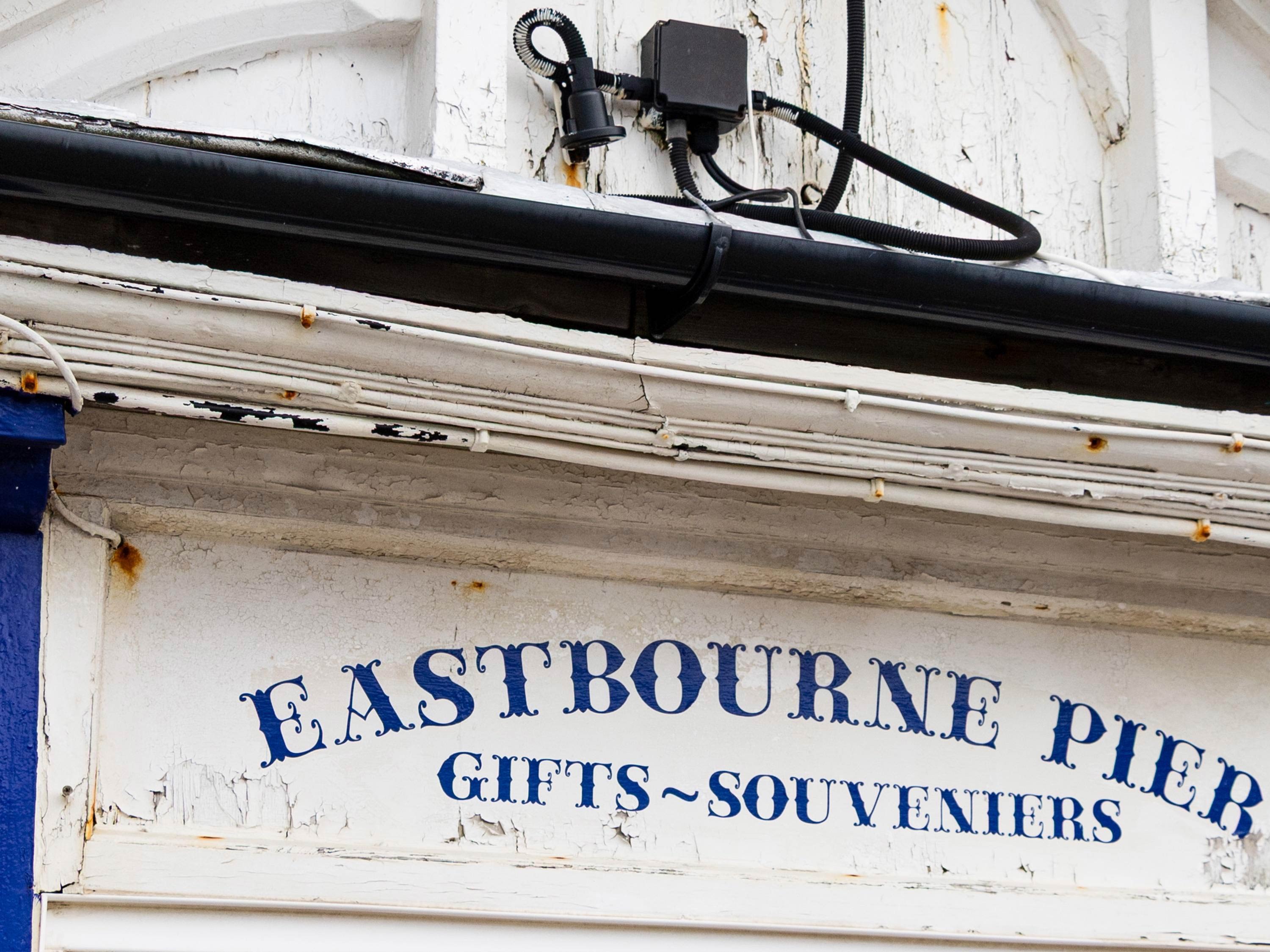
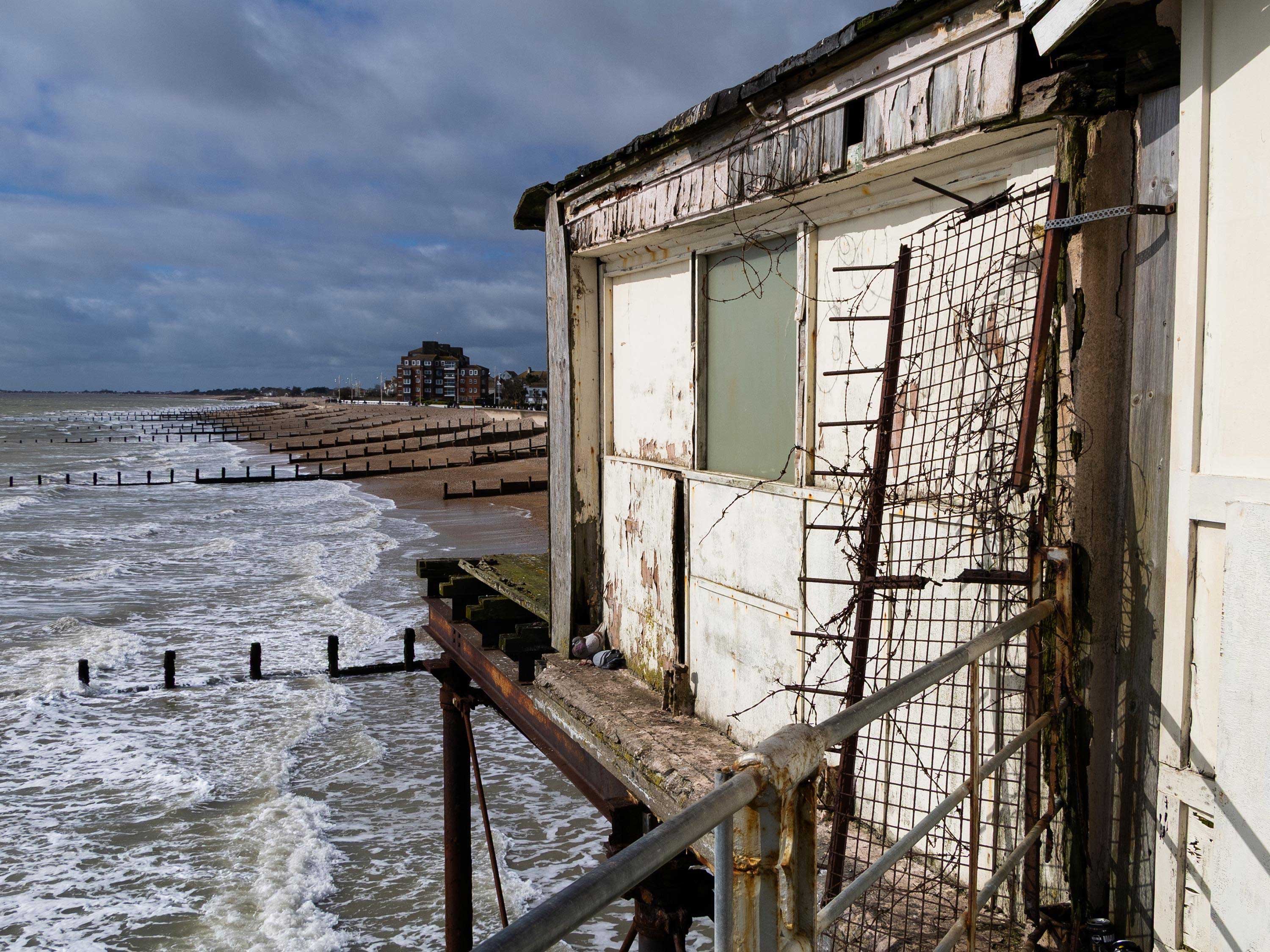
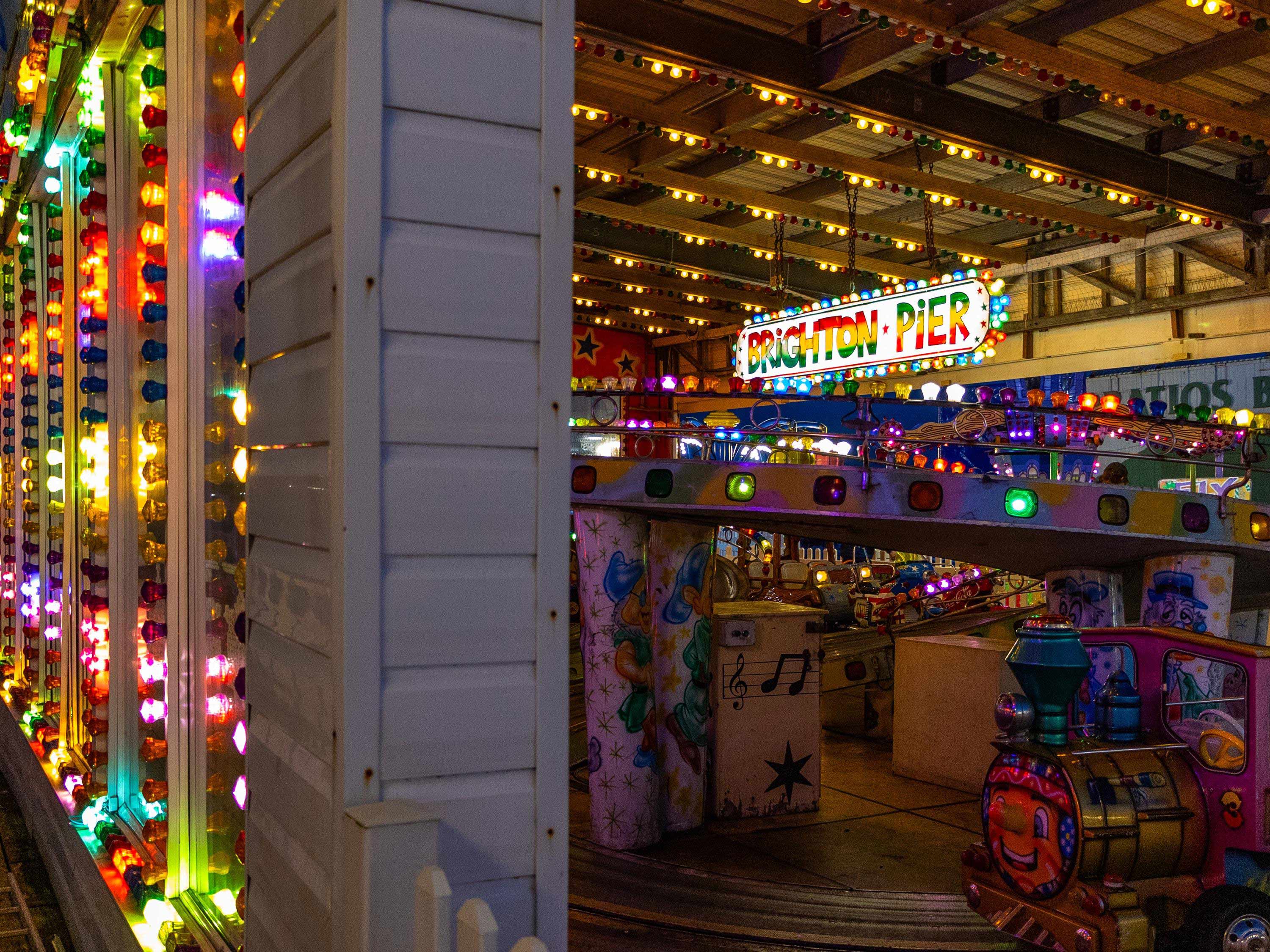
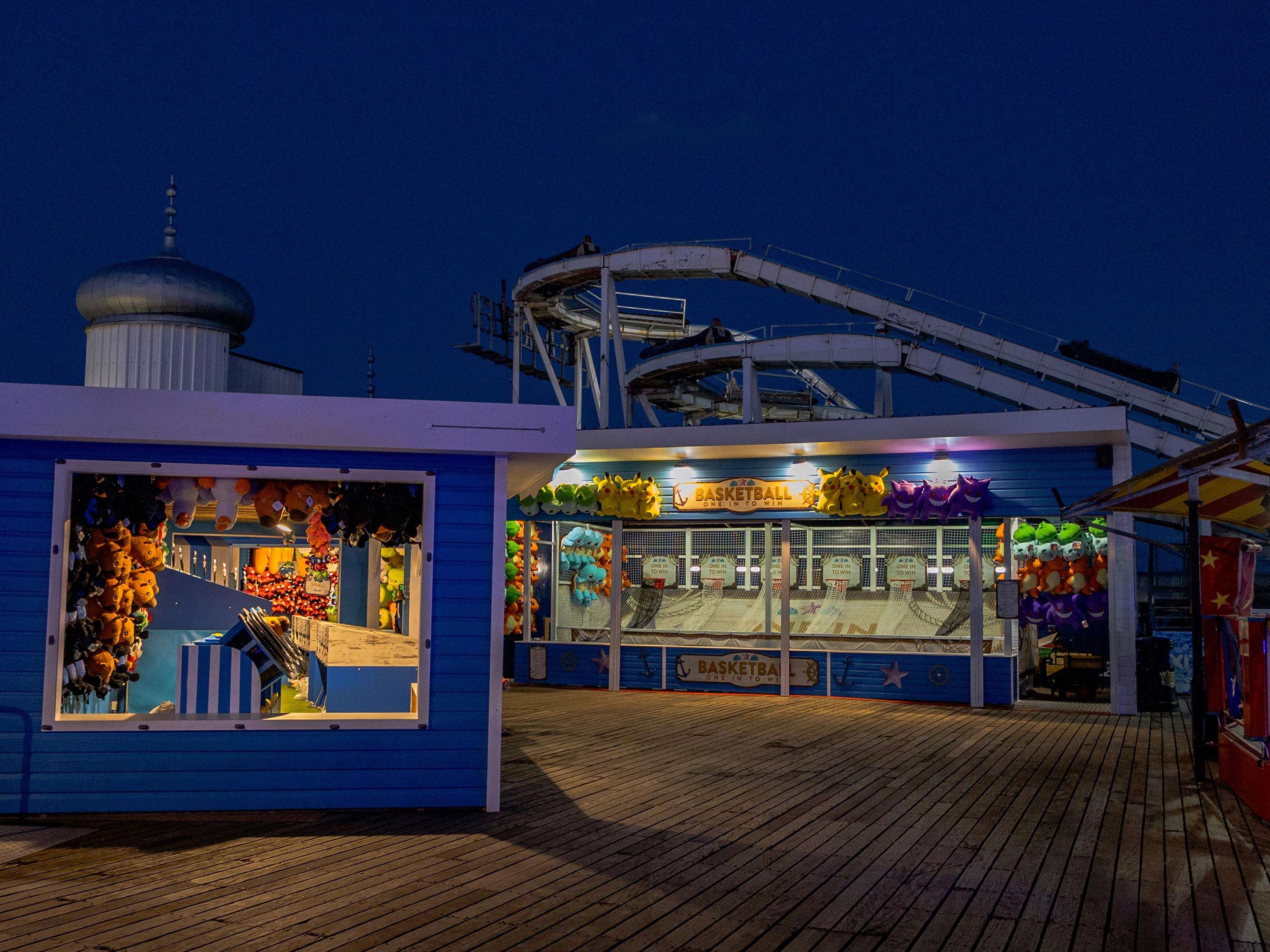
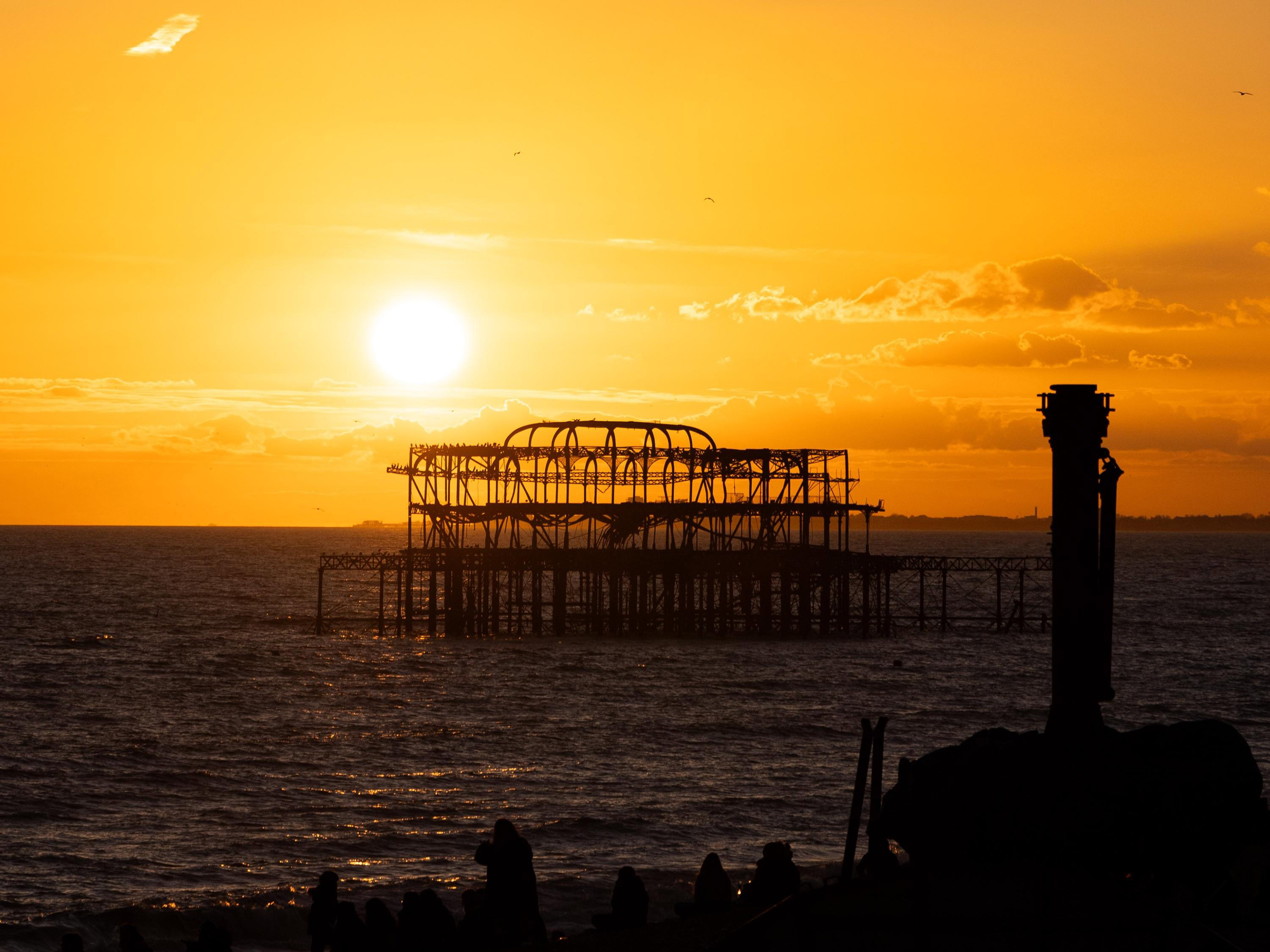
English seaside towns have long been the destination of holiday goers who are after a bit of cheap fun, and while they are associated with entertainment, nostalgia, rich history and greasy food, they are also plagued with a story of decline. ‘The Seaside Towns That Forgot to Close Down’ aims to show a narrative of visible decay and socio-economic struggle; through photographs taken across multiple locations and seasons, the project captures familiar seaside features such as piers, promenades or arcades, also while drawing attention to signs of deterioration, manifested as rusted structures, fading facades, and rotting materials.
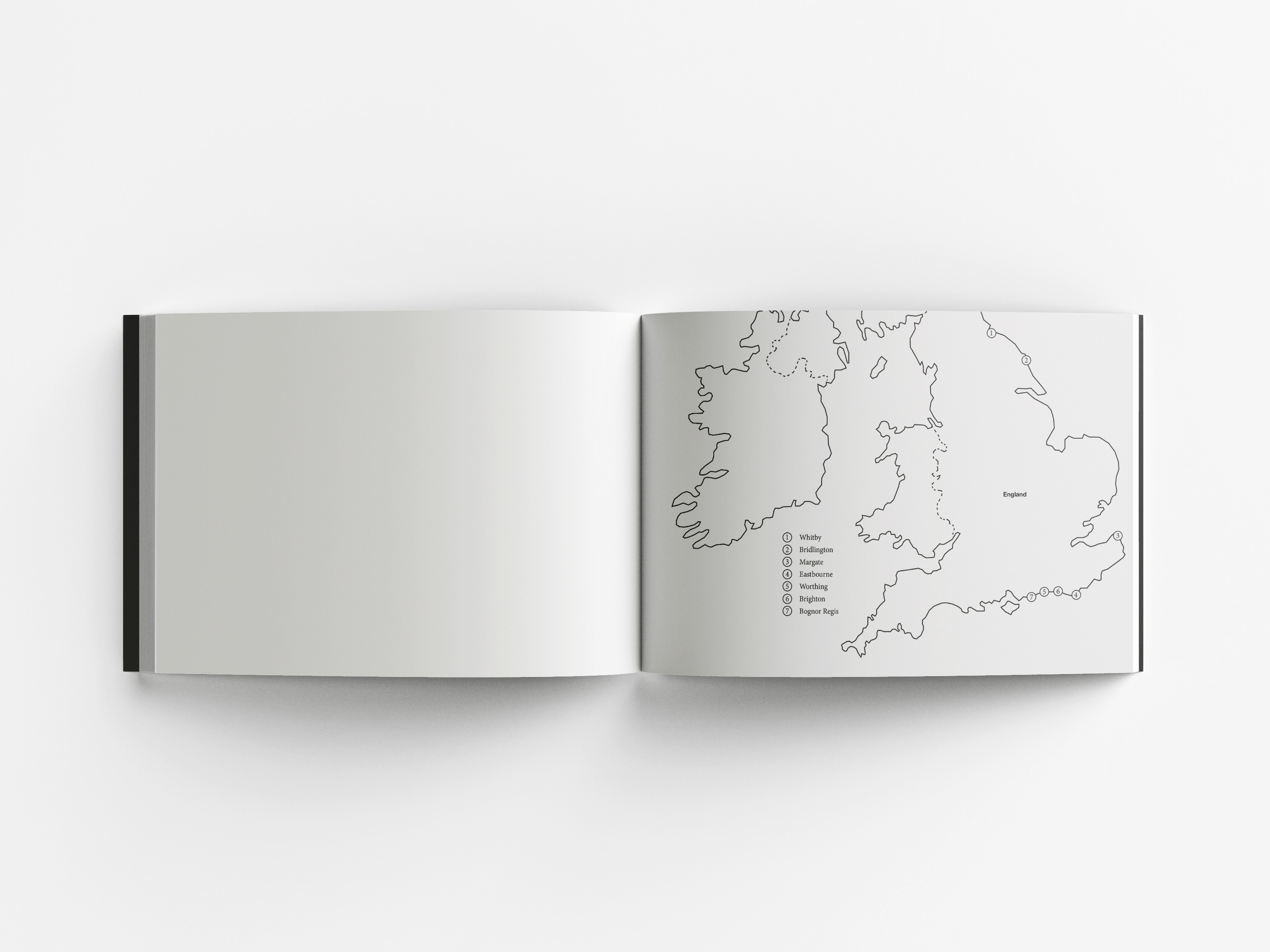
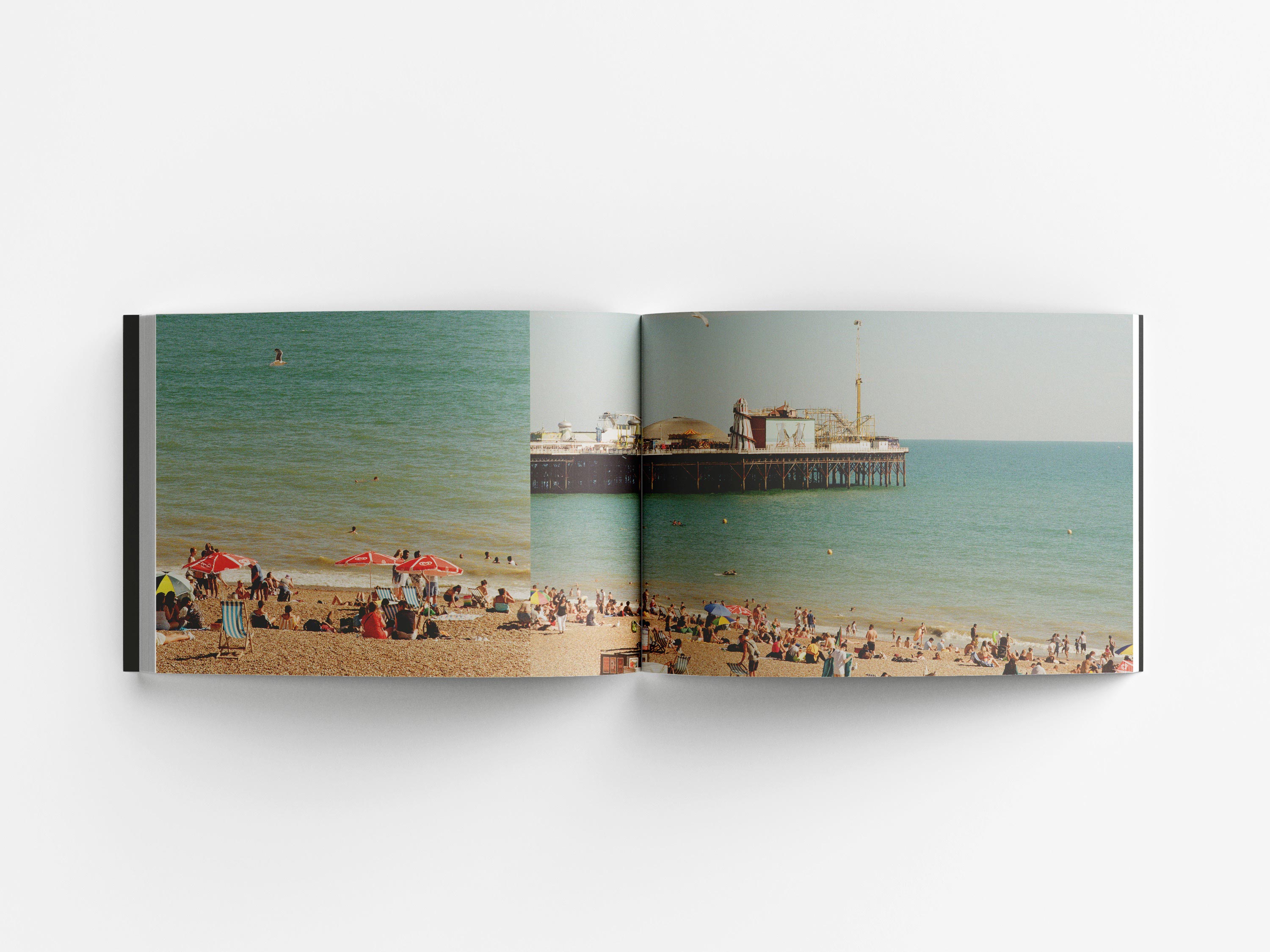
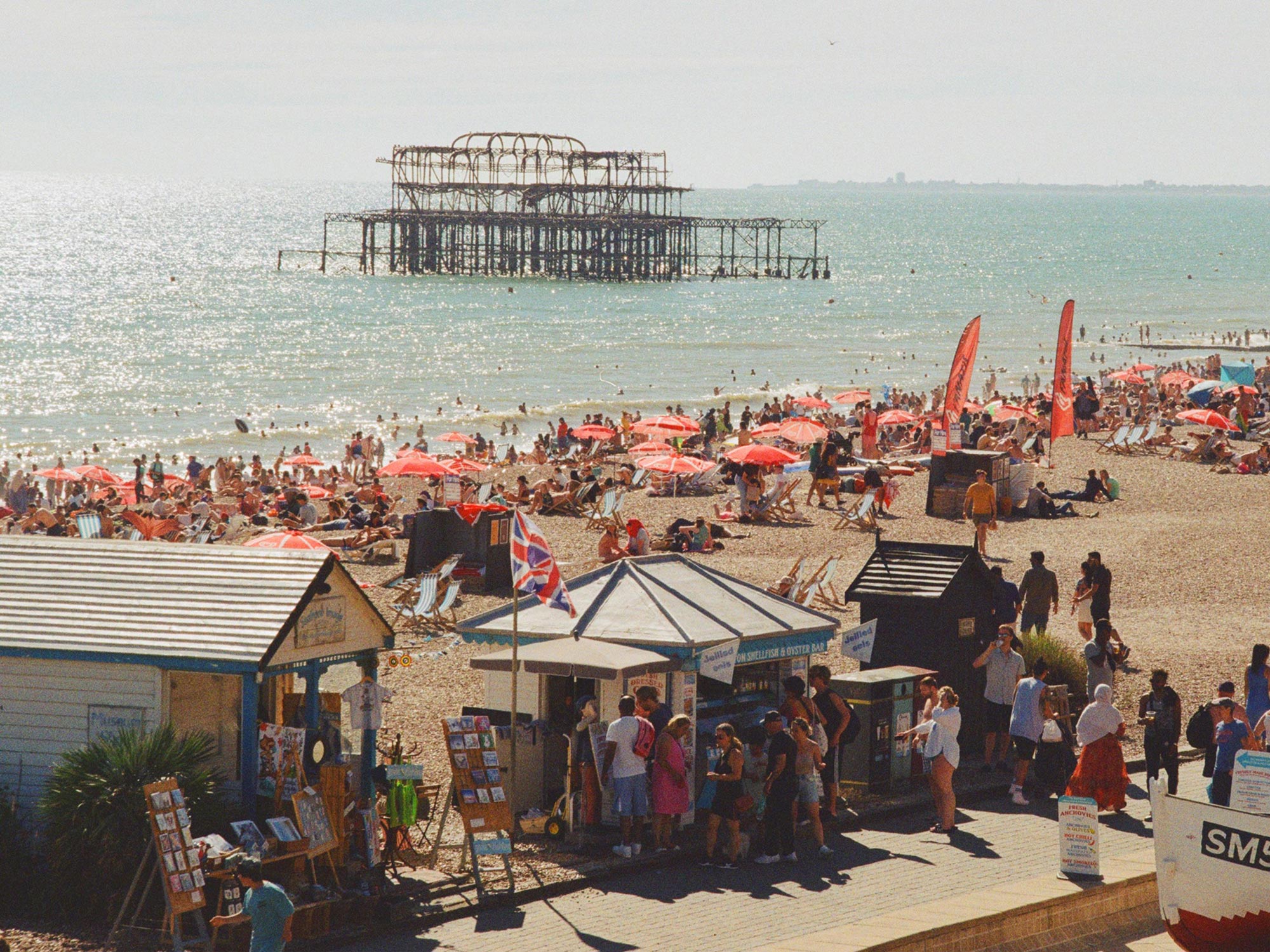
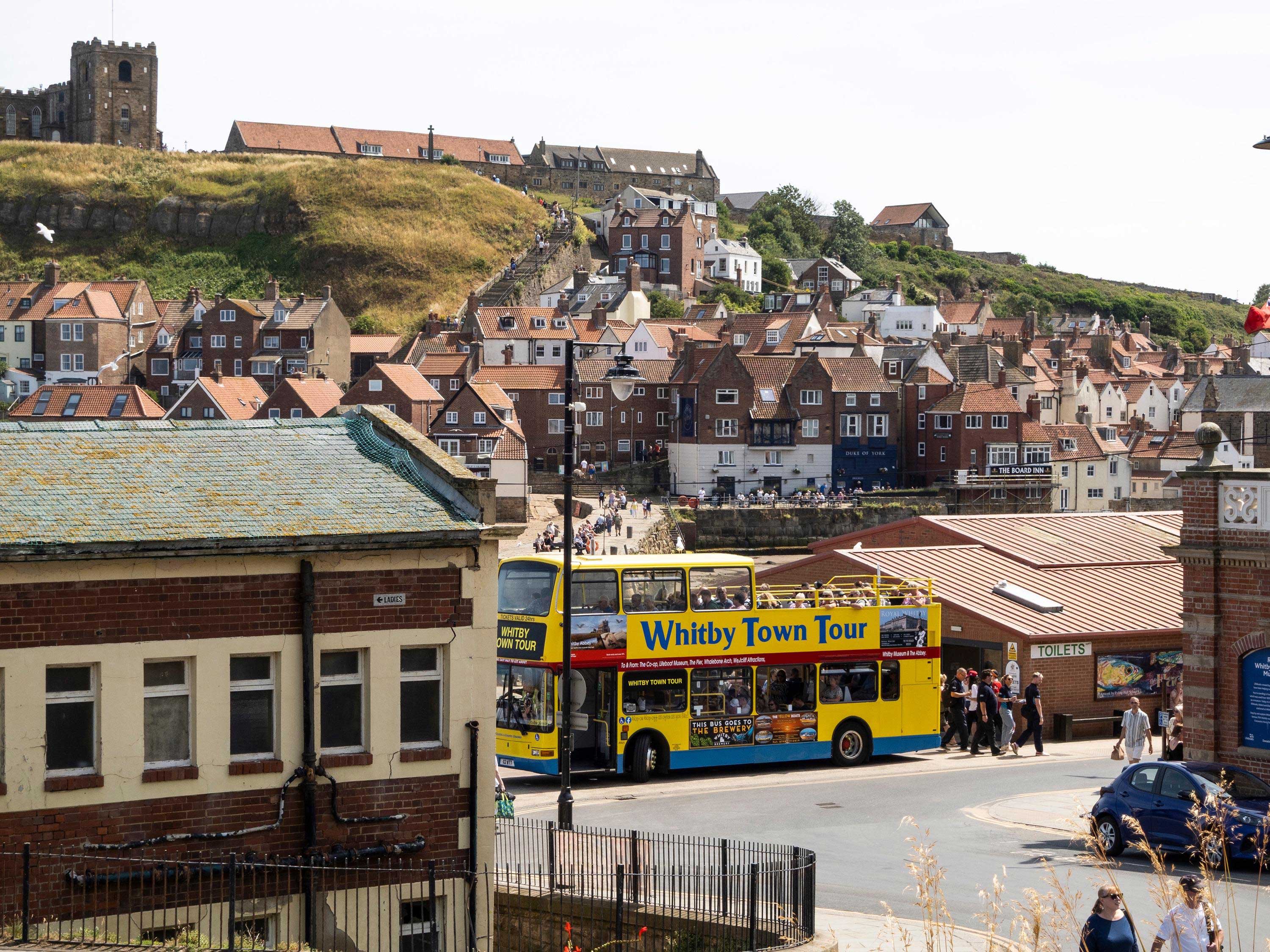
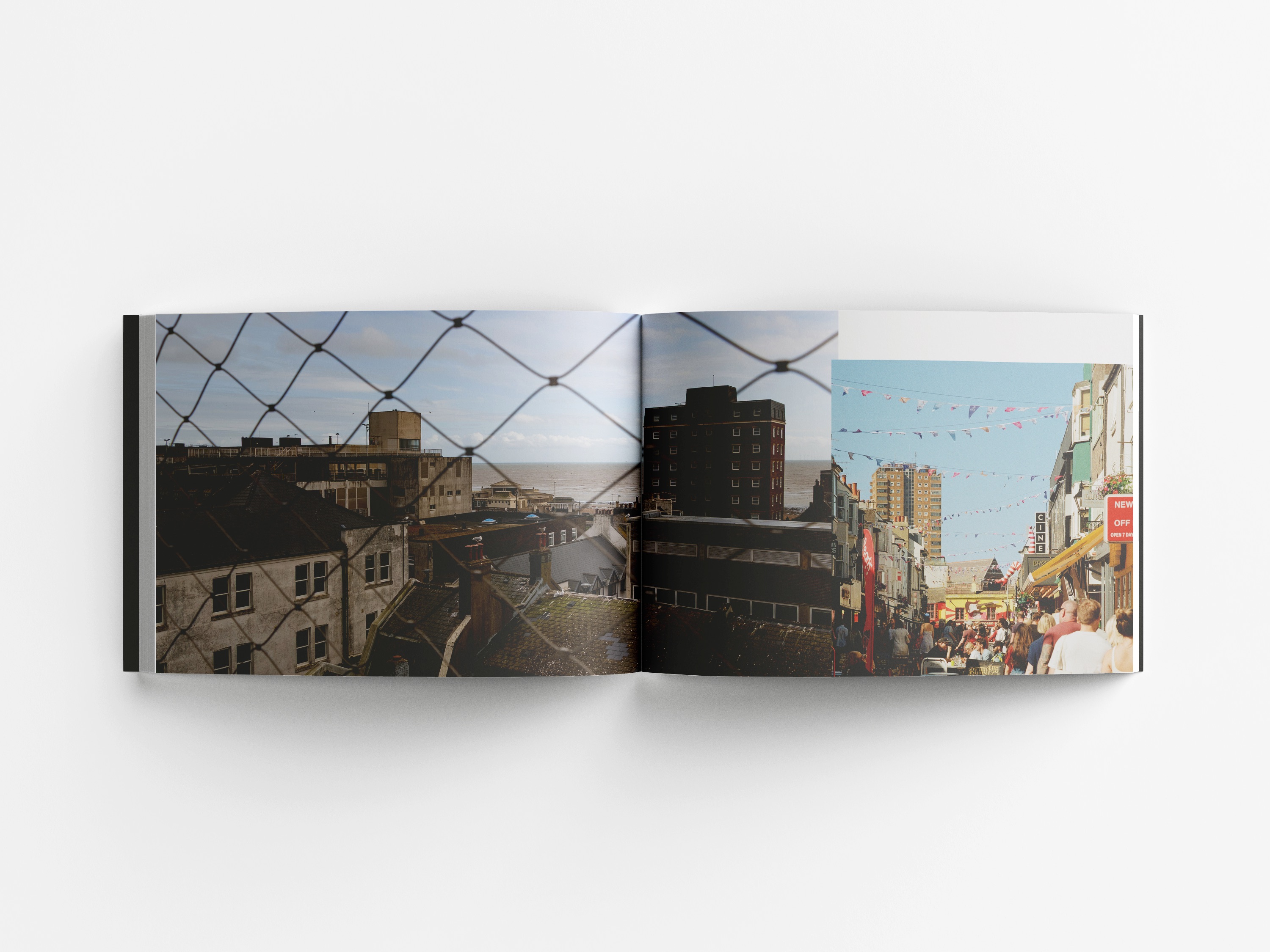
The project blends the two contrasting seaside visuals, and challenges the idealised perceptions of the traditional English seaside, offering a more contemporary understanding of its current declining condition; for example while Brighton or Whitby are tourist hotspots, and quite successful during the summer, just down the coast at Bridlington or Worthing, where there are smaller populations, or rather no commercialised tourist attractions, the arcades and seafronts remain relatively empty, even on the warmer days.
The following set of photographs were taken across eight seaside towns from 2022-2026.

Chapter One
The Royal Seaside Seal of Approval
The start of the 19th century birthed a habit of using the seaside as a sort of antidote to life; benefits of the salty water, sea air and taking a moment to rest on the sand, proved to improve the stresses of everyday life, which, marked by a period of time in which very few other medical alternatives or opportunities were available, guaranteed the fact that the seaside was the cheapest and most accessible option available, for many of its patrons.
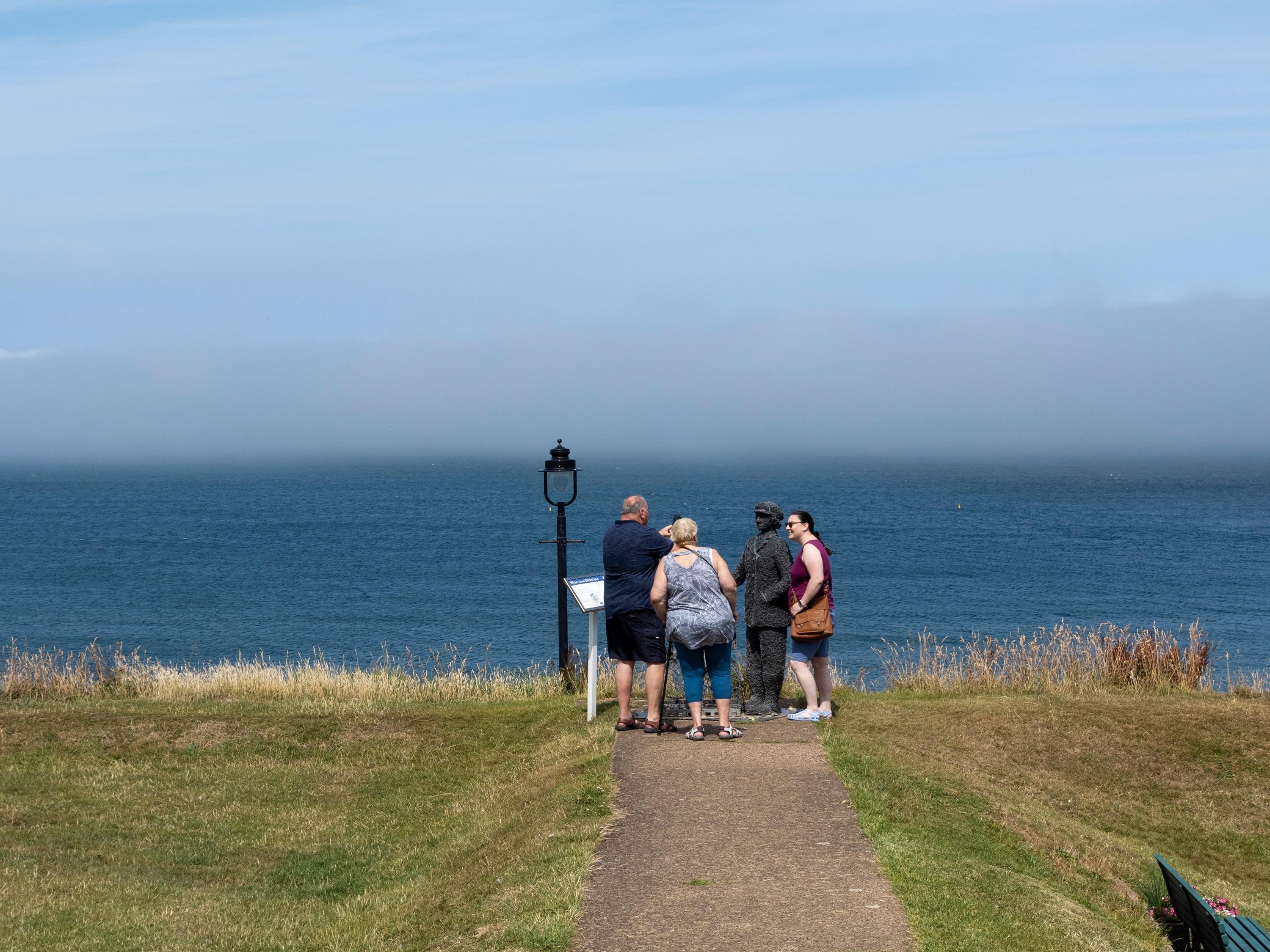
In 1789, King George III was prescribed a prolonged visit to the coastal town of Weymouth, in a bid to cure his bouts of madness, and miraculously, it worked, and his condition improved dramatically. This secured decades of his seaside visits to Weymouth (only interrupted for the duration of the Napoleonic War, when the coast was deemed too much in danger from the French), and indeed marked a long line of royal patronage to various seaside towns; George V to Bognor Regis (in fact granting the title of Regis), George IV and William IV to Brighton, young Victoria to the Isle of Wight and King George IV to Margate and the surrounding areas, and more; this royal seaside seal of approval accelerated the popularity of the seaside, and to this day, many traces of royal visitation are scattered throughout the coast.
Chapter Two
Leisure Revolution
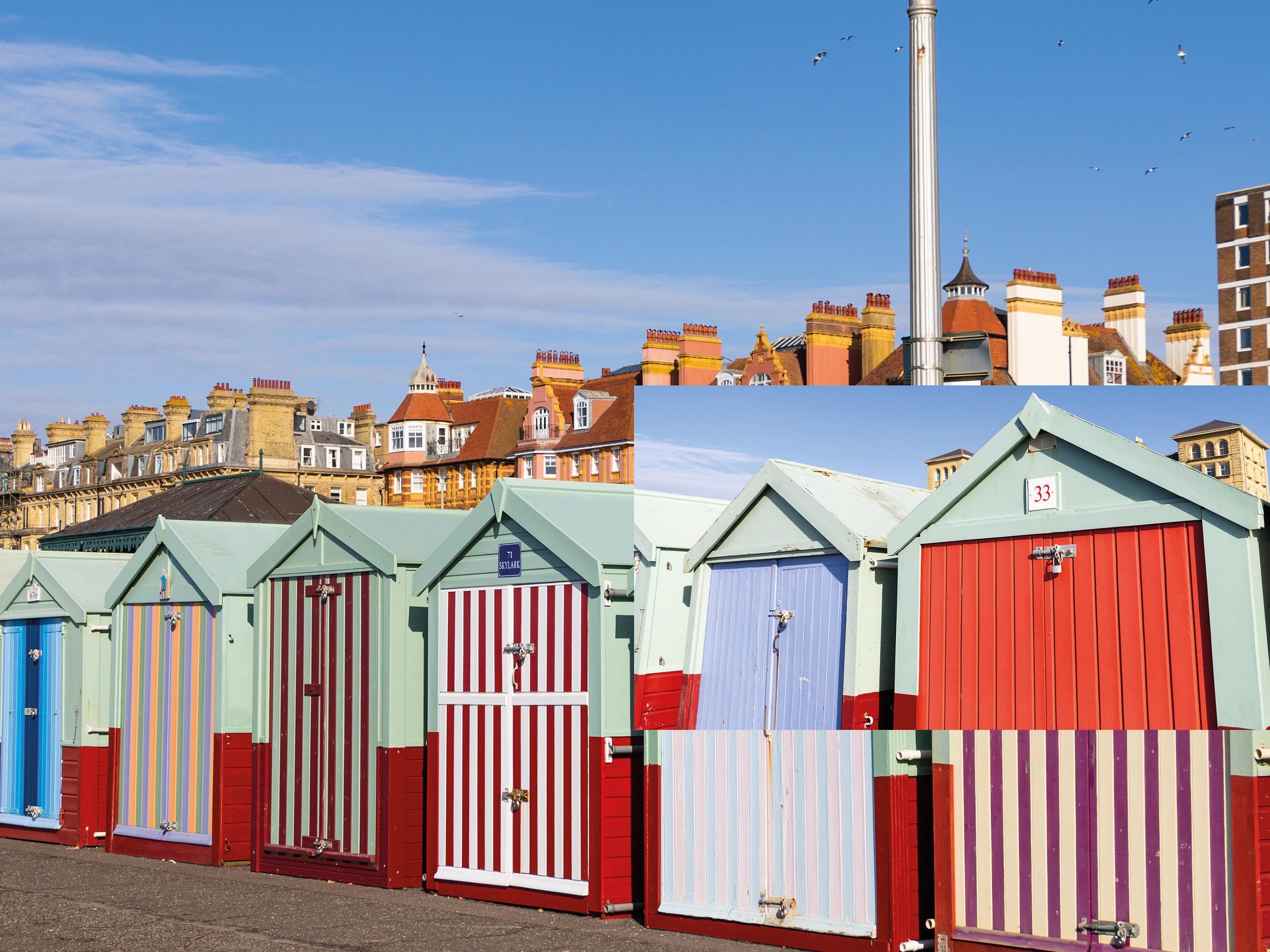
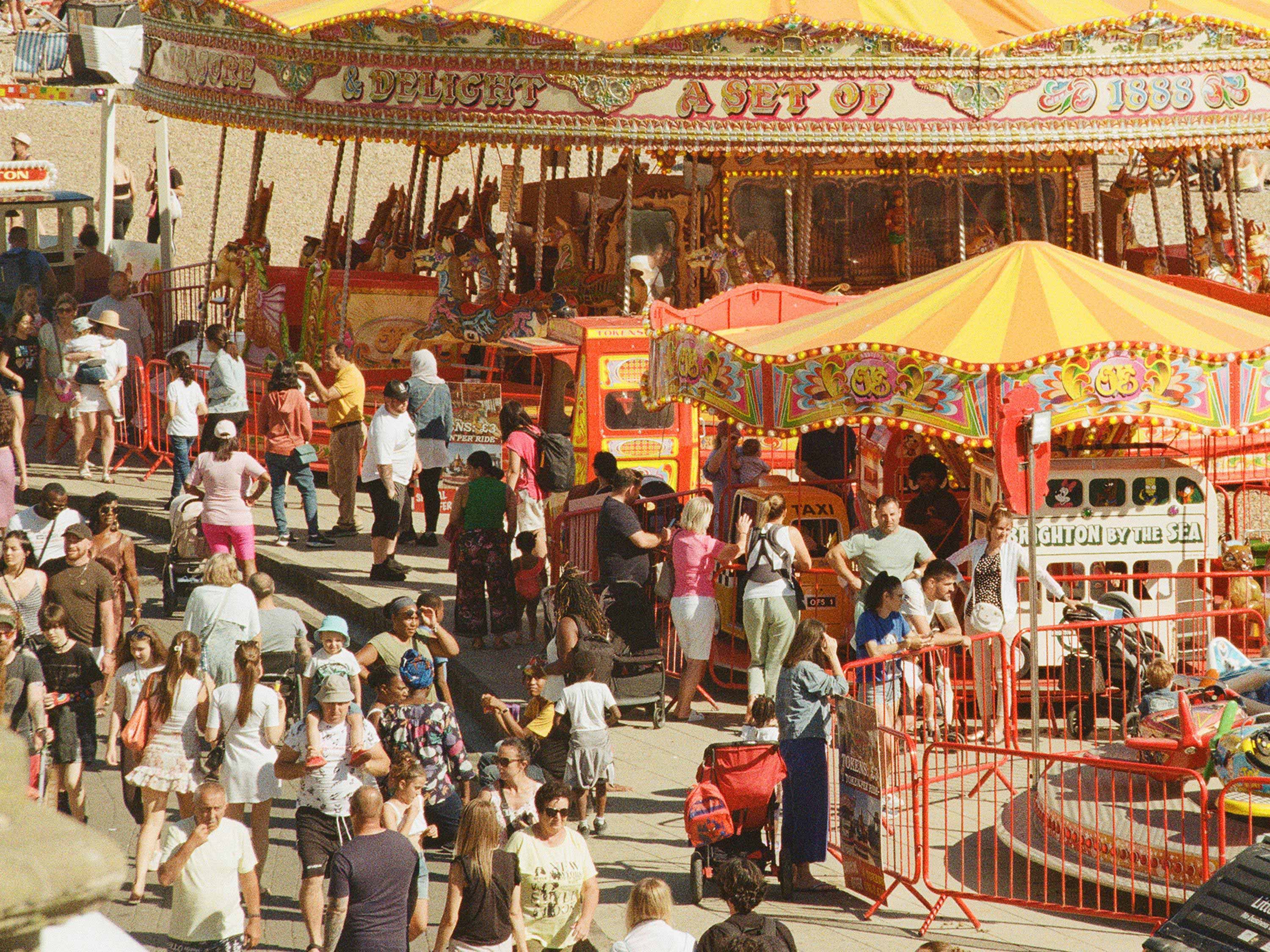
Indeed the industrial revolution and the coming of the railways in the 1840s, only solidified the seaside’s stature, and equally affordable and accessible means of travel meant that Victorians flocked to the seaside, for the good old seaside promise of fun. The journey itself was a part of the experience, allowing for a large degree of socialising, alcohol consumption and freedom of movement from town to town. With this, the Victorians implemented the first seaside infrastructures, building elaborate piers, decorating promenades with ornamental accents, the use of bathing machines (the relative of the beach hut, which in modern times litter the seafront, and are being sold for in the 100,000s of pounds), and constructing beautiful apartments along the seafront that would carry through the centuries. Many of the associations we have with the British seaside are owed to the Victorians, for they created the first formula of a ‘traditional’ seaside holiday.
Bigger cities were now easily connected to the coast, and one could travel from London to Brighton, back to London and over to Margate with ease and comfort. This meant that the coast was now increasingly open to higher class Georgians; as a result other towns such as Bognor Regis, Scarborough, Margate or Brighton relished in new-founded popularity, and responded in opening spas and resorts in hopes to partake in the advent of mass-seaside-tourism.
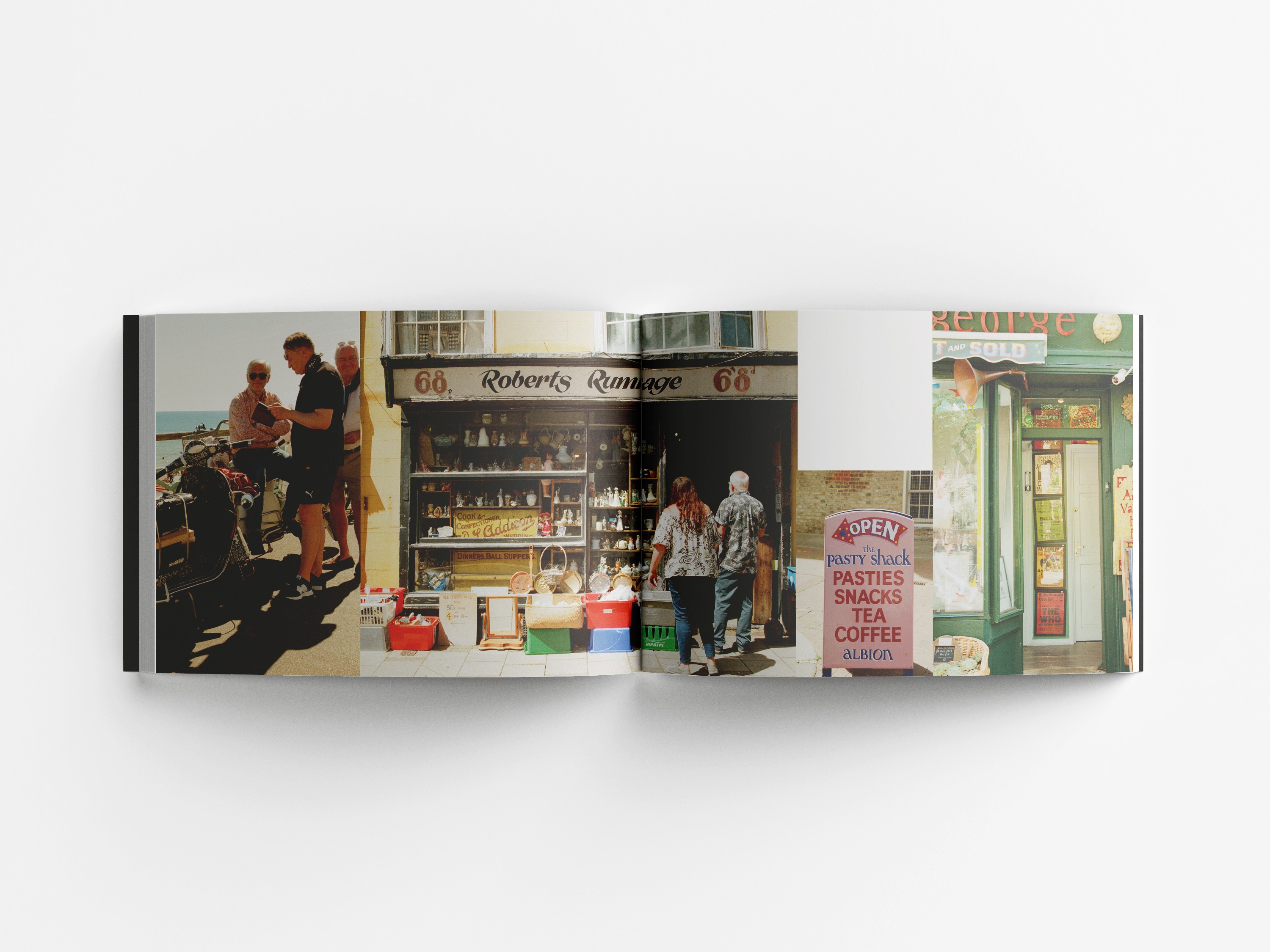
The First World War managed to halt seaside visitations for a short while, but also changed the careful societal balance that had been adopted between the wealthy and working-class populations; the pre-war trend of informality1 was boosted by the vogue of sun-bathing, and a growing acceptability of mixed bathing. The seaside had started to become a place of mild-rebellion2 where “risque postcards, cheeky comedians and bawdy songs pushed the boundary of respectability”1.
Small towns, or “plotland settlemens” opened near and around popular seafronts; “these were unplanned, self-built knots and straggles of seasonally-occupied dwellings ... welcoming farmers, [offering] a foothold to bohemian seekers after the simple seaside life, or increasingly, working-class families whose only hope of affording a seaside (our country) holiday”2.
Chapter Three
Arcade - Mania
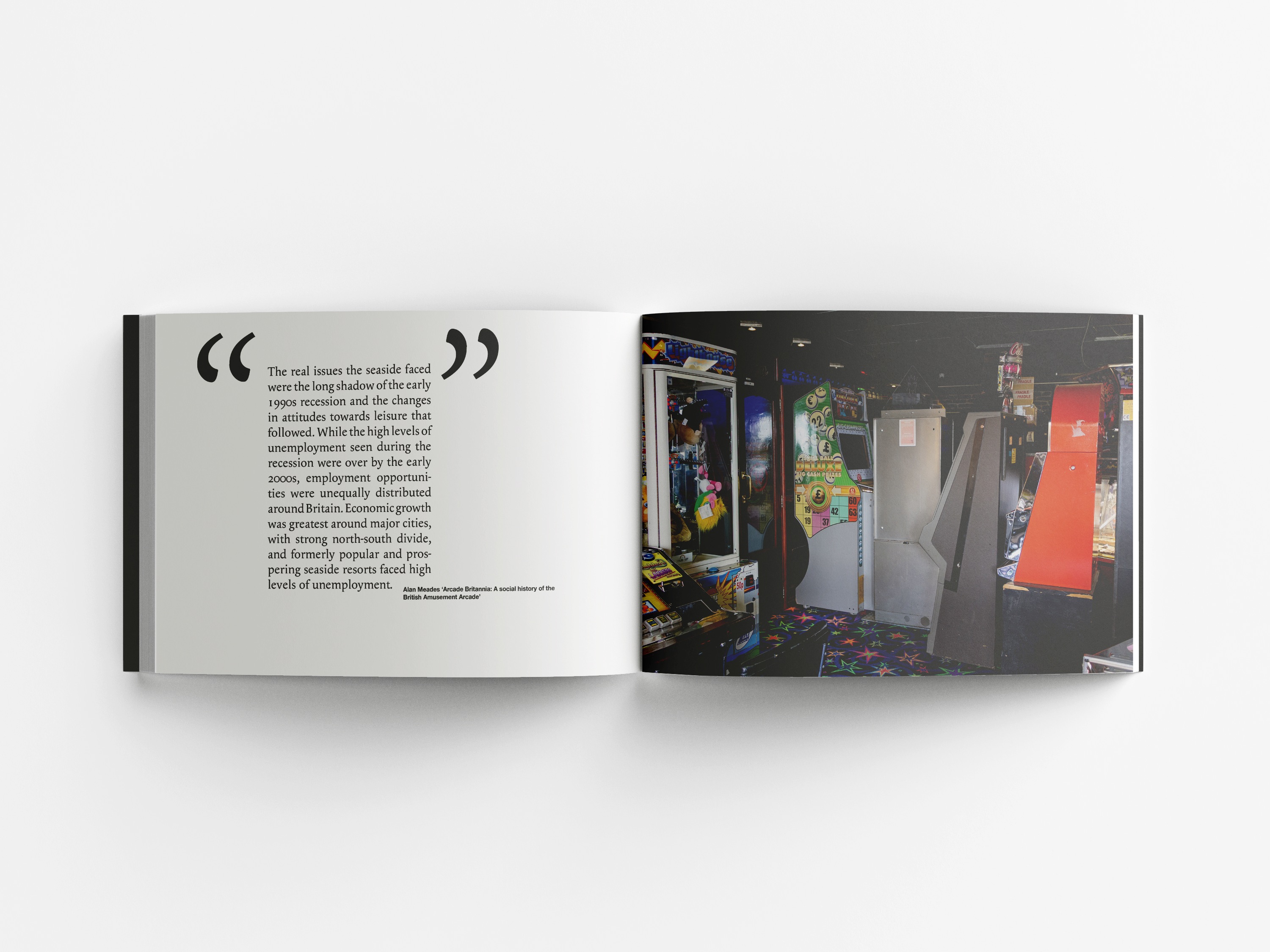
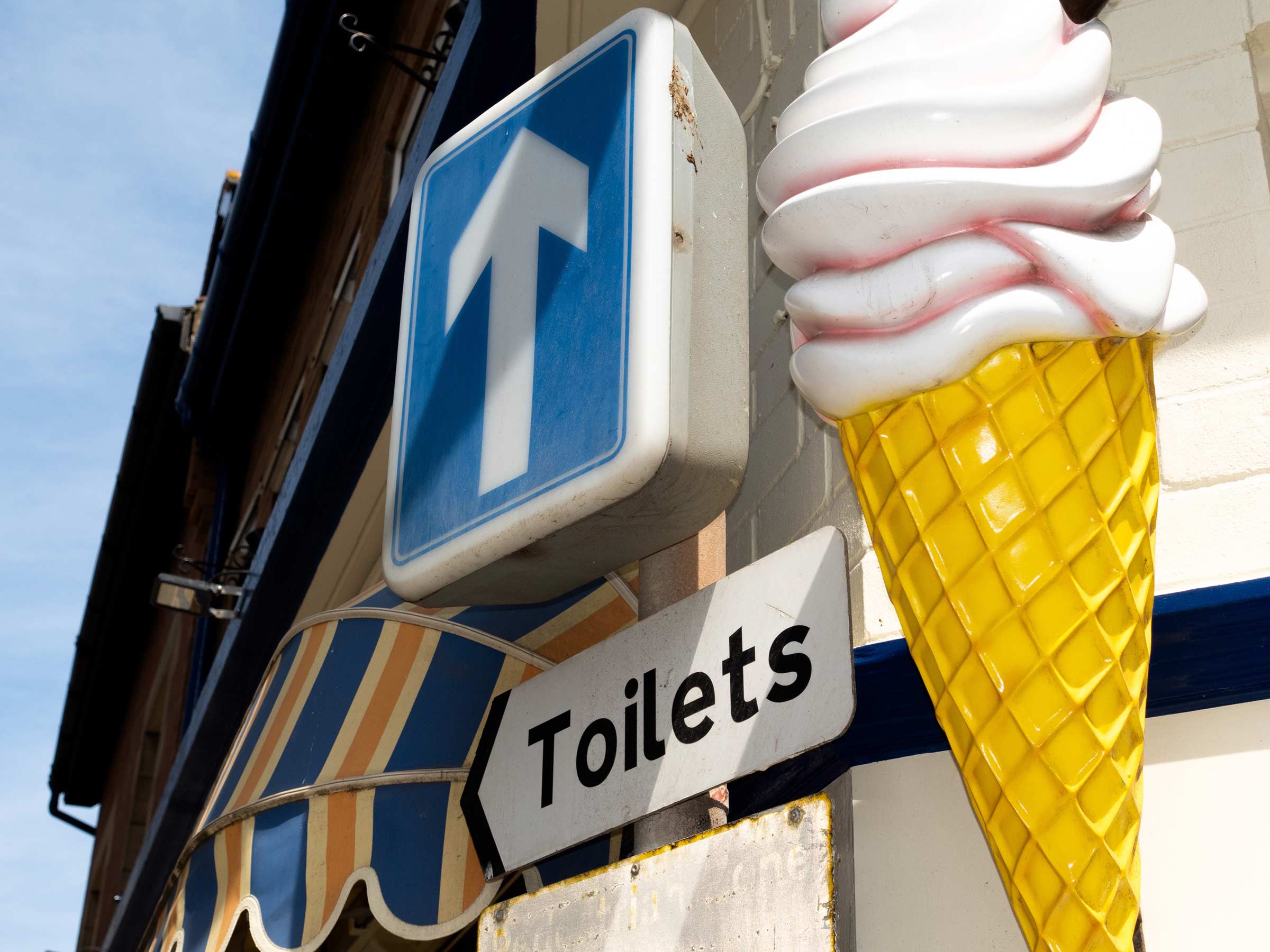
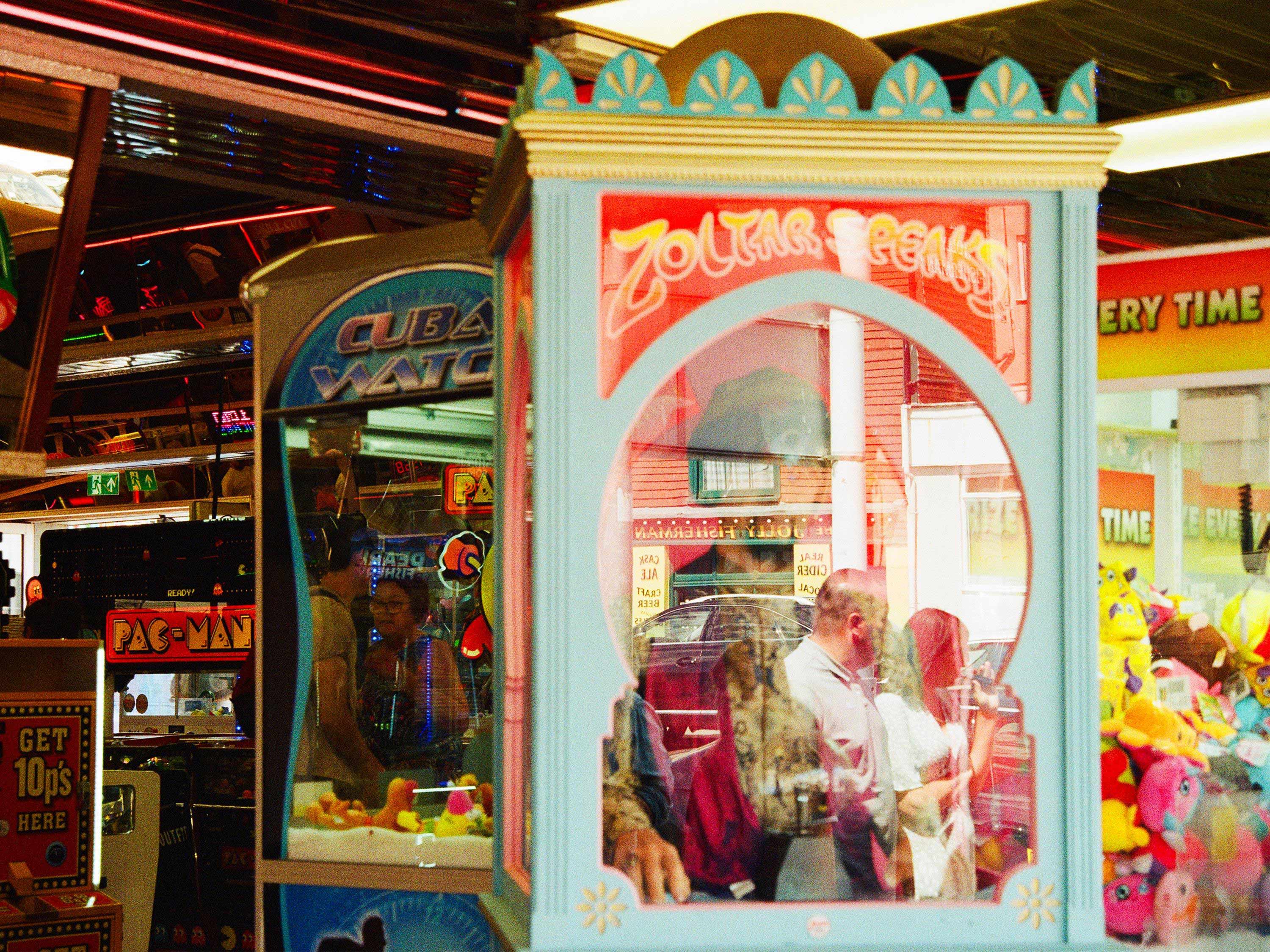
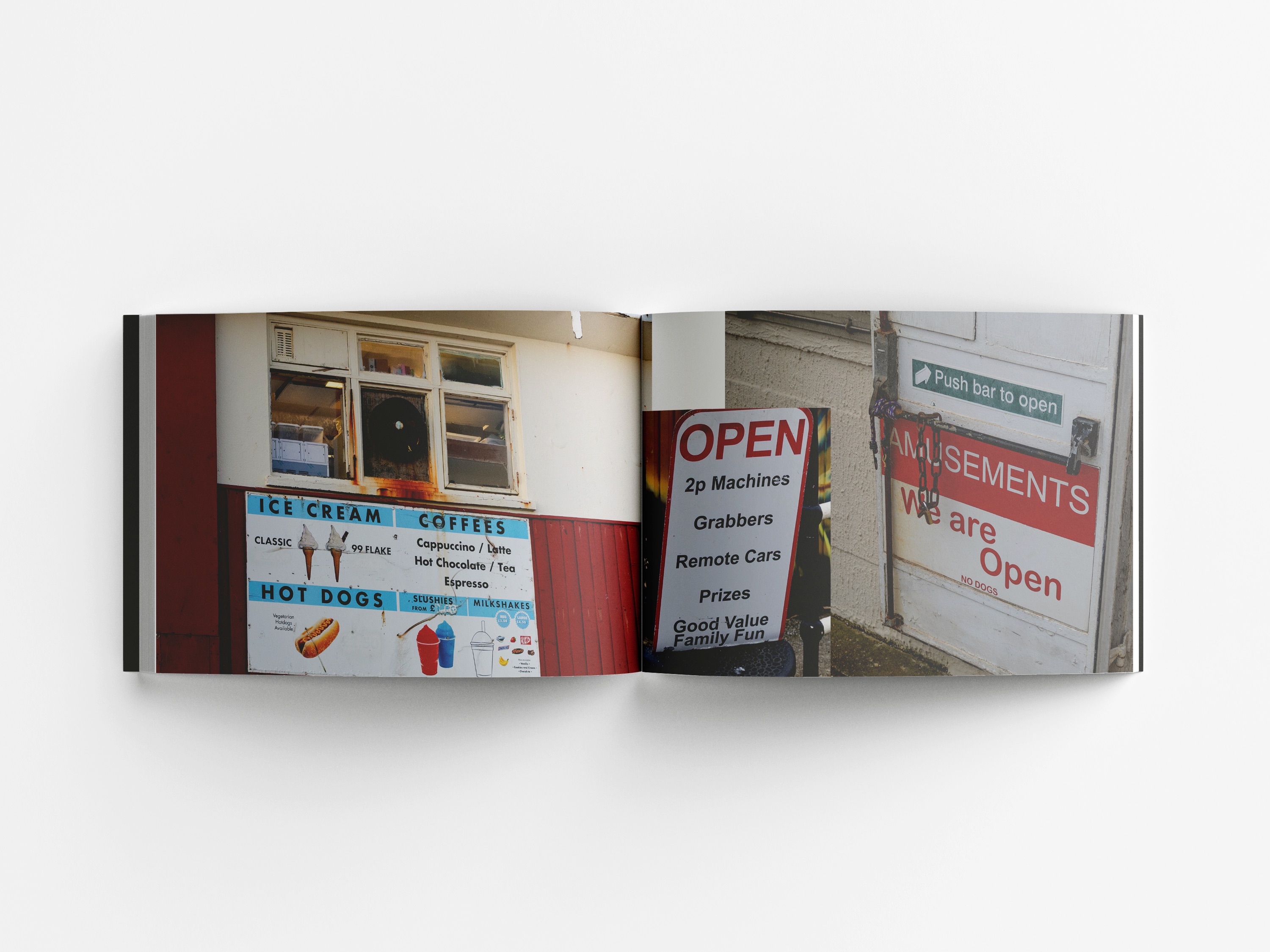
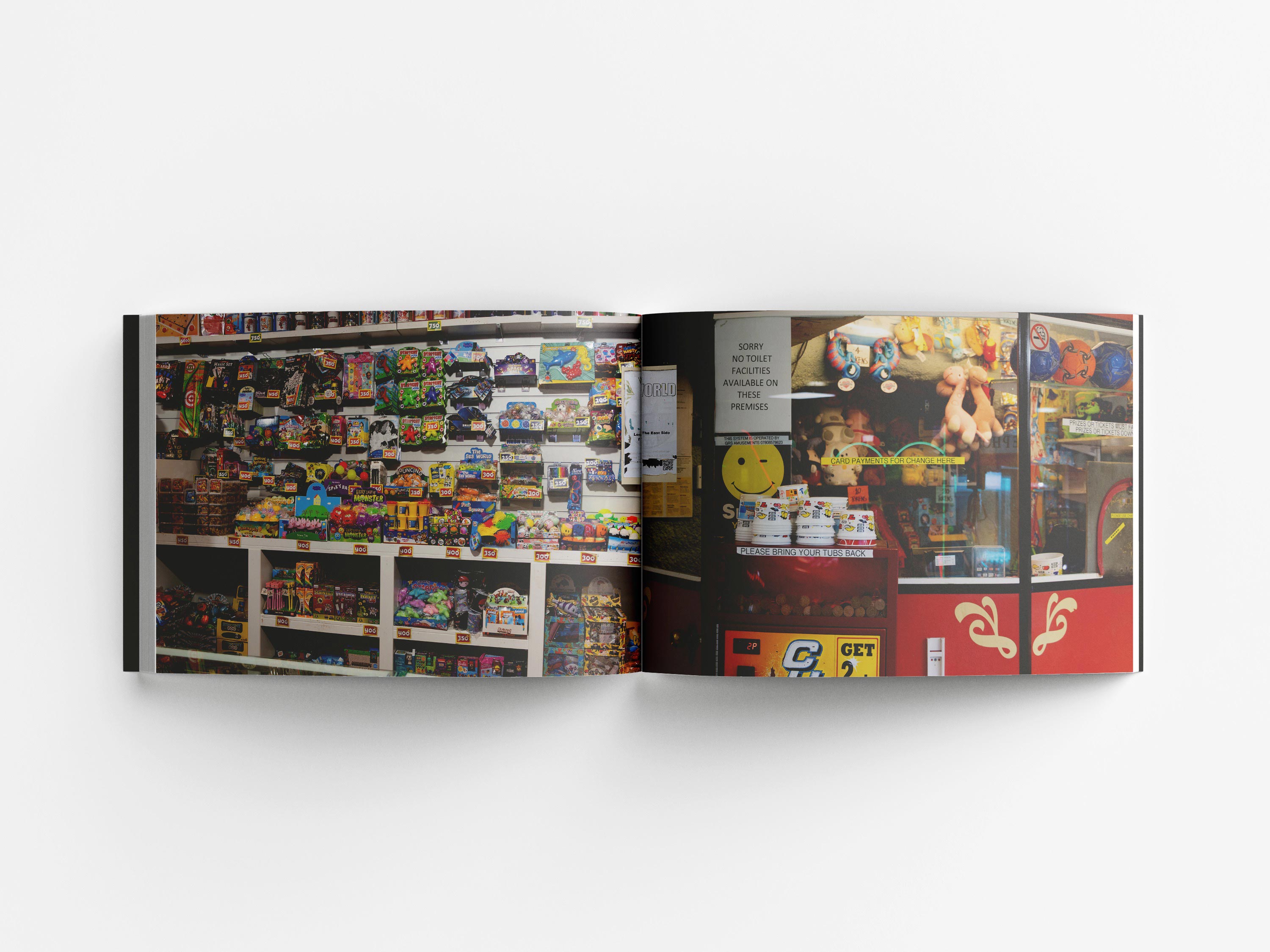
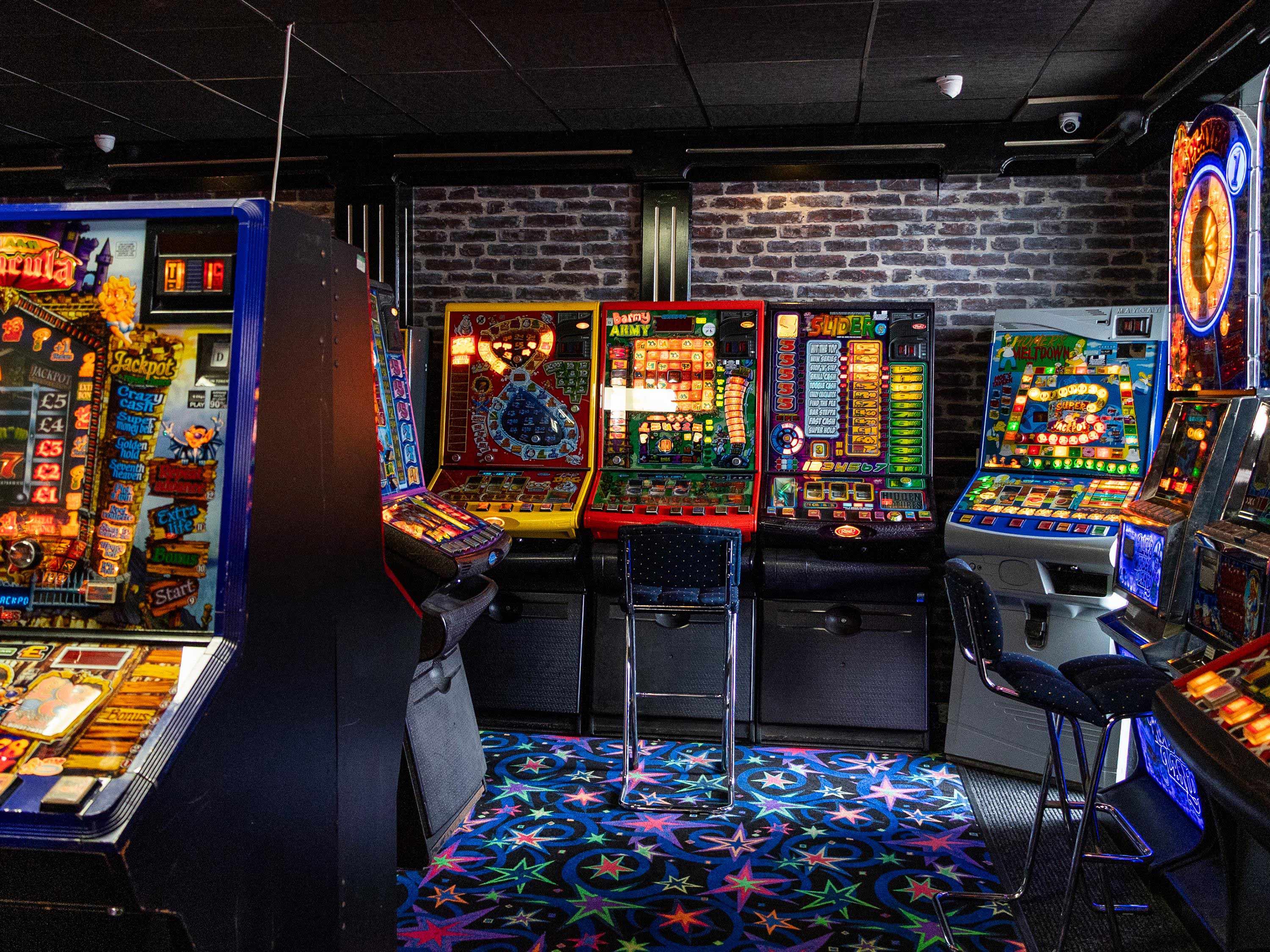
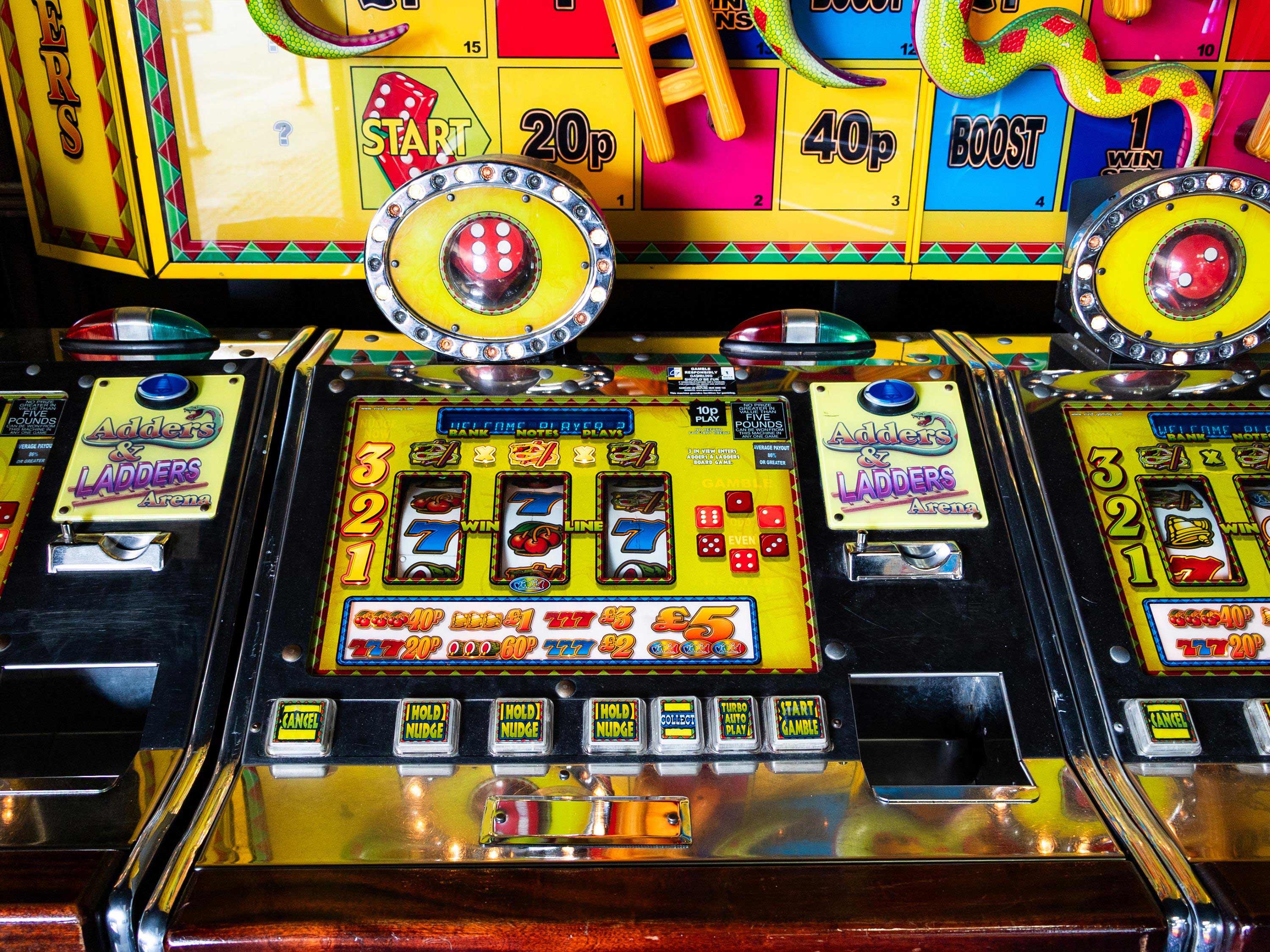
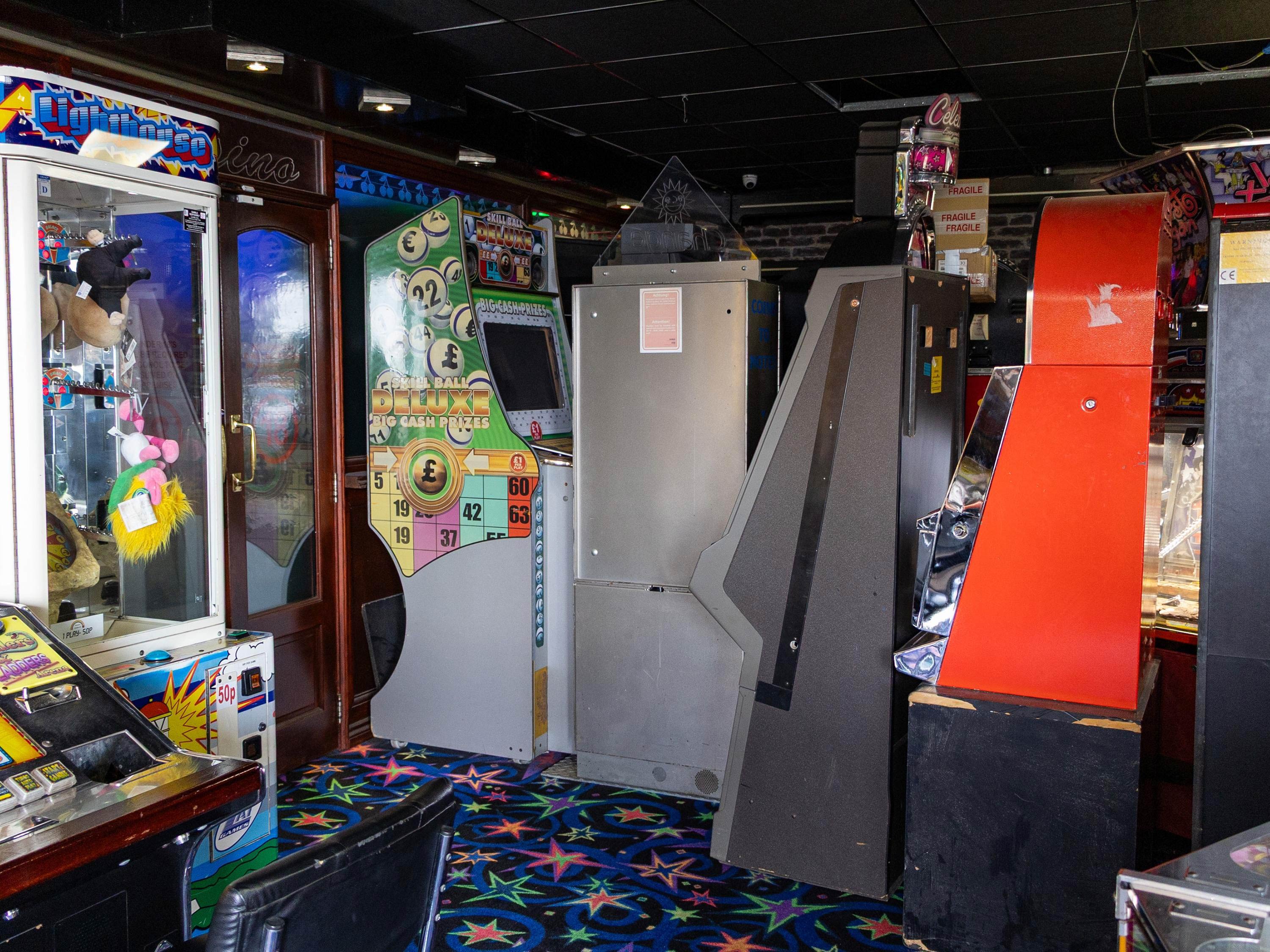
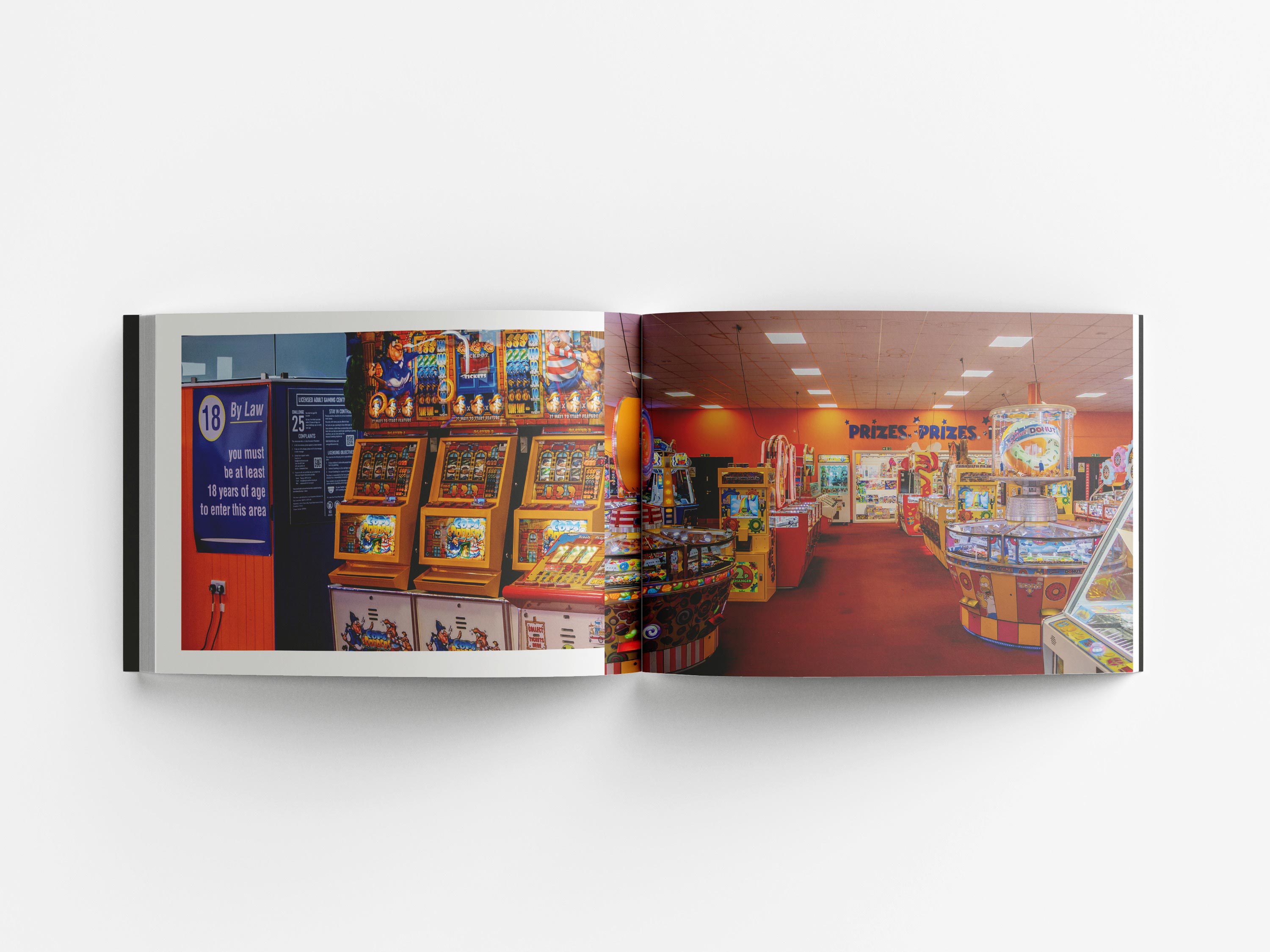
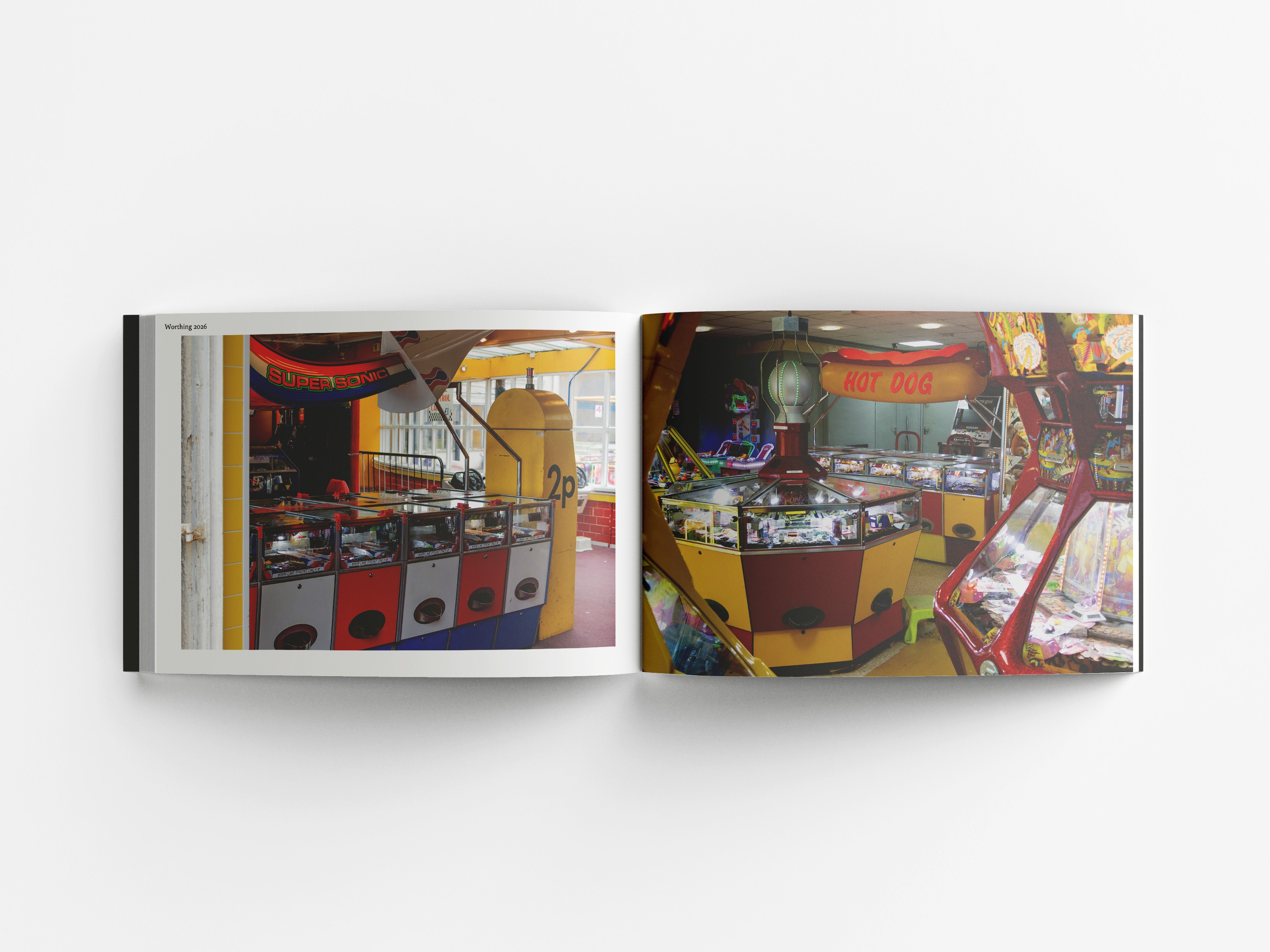
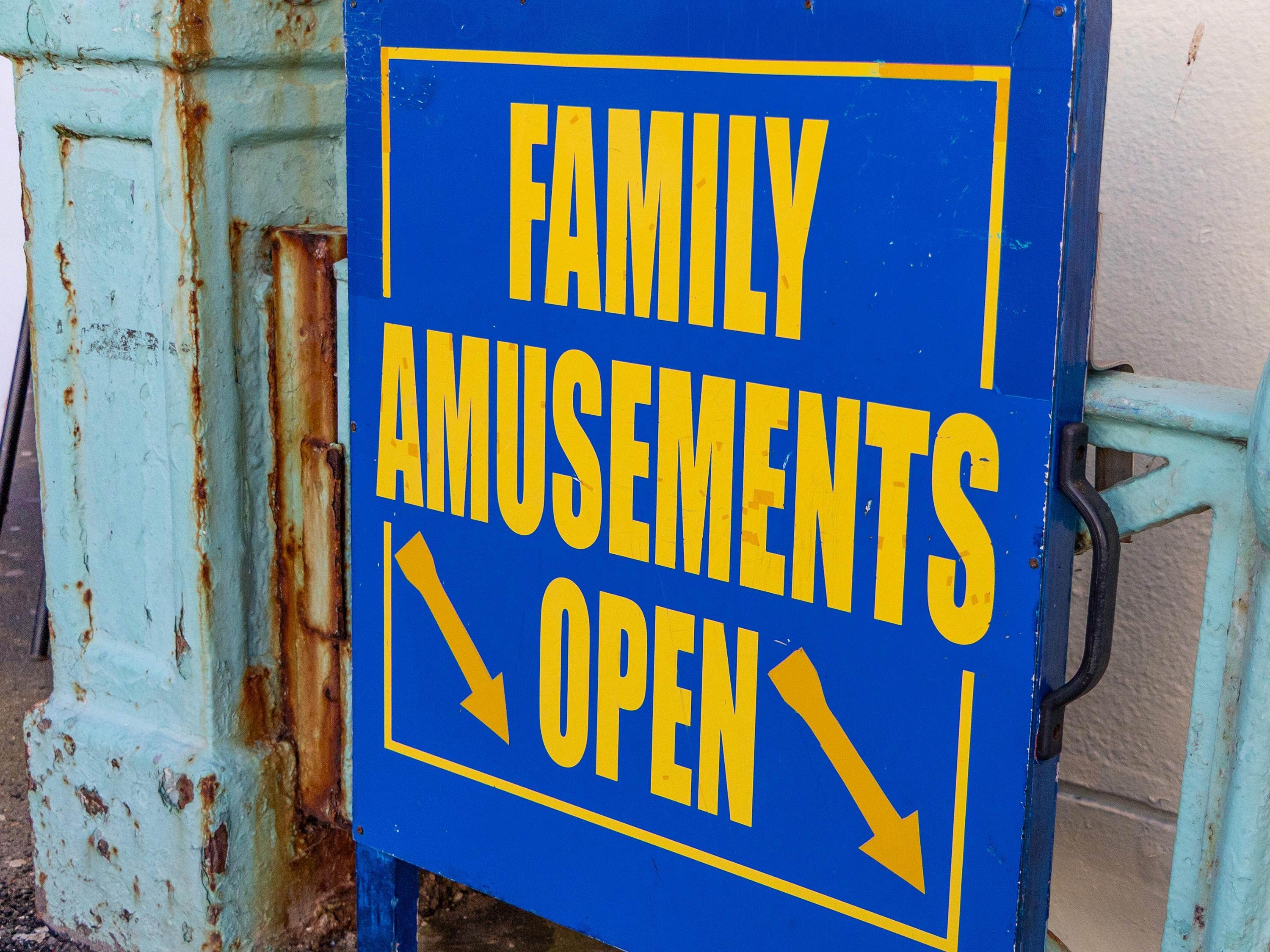
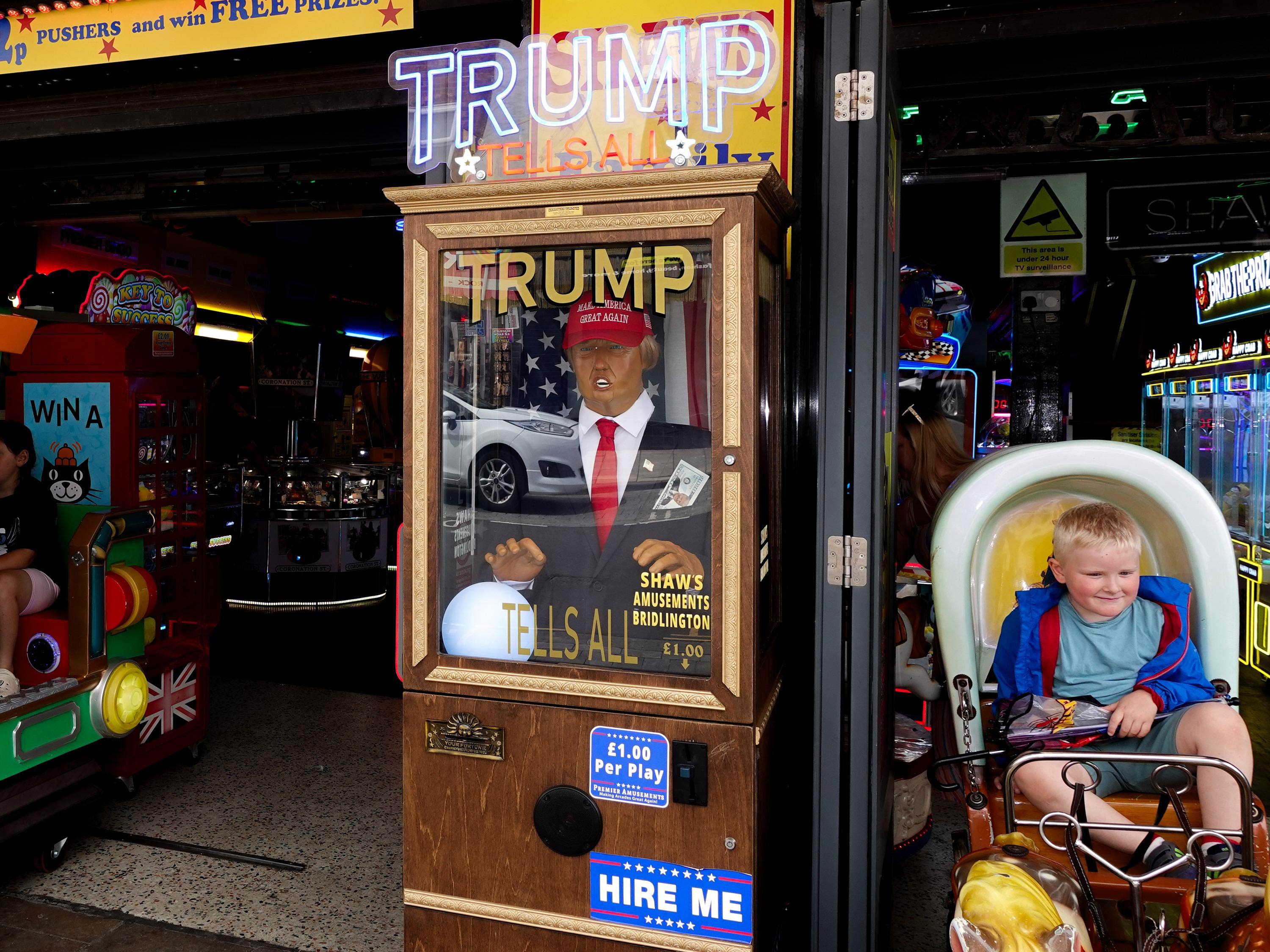
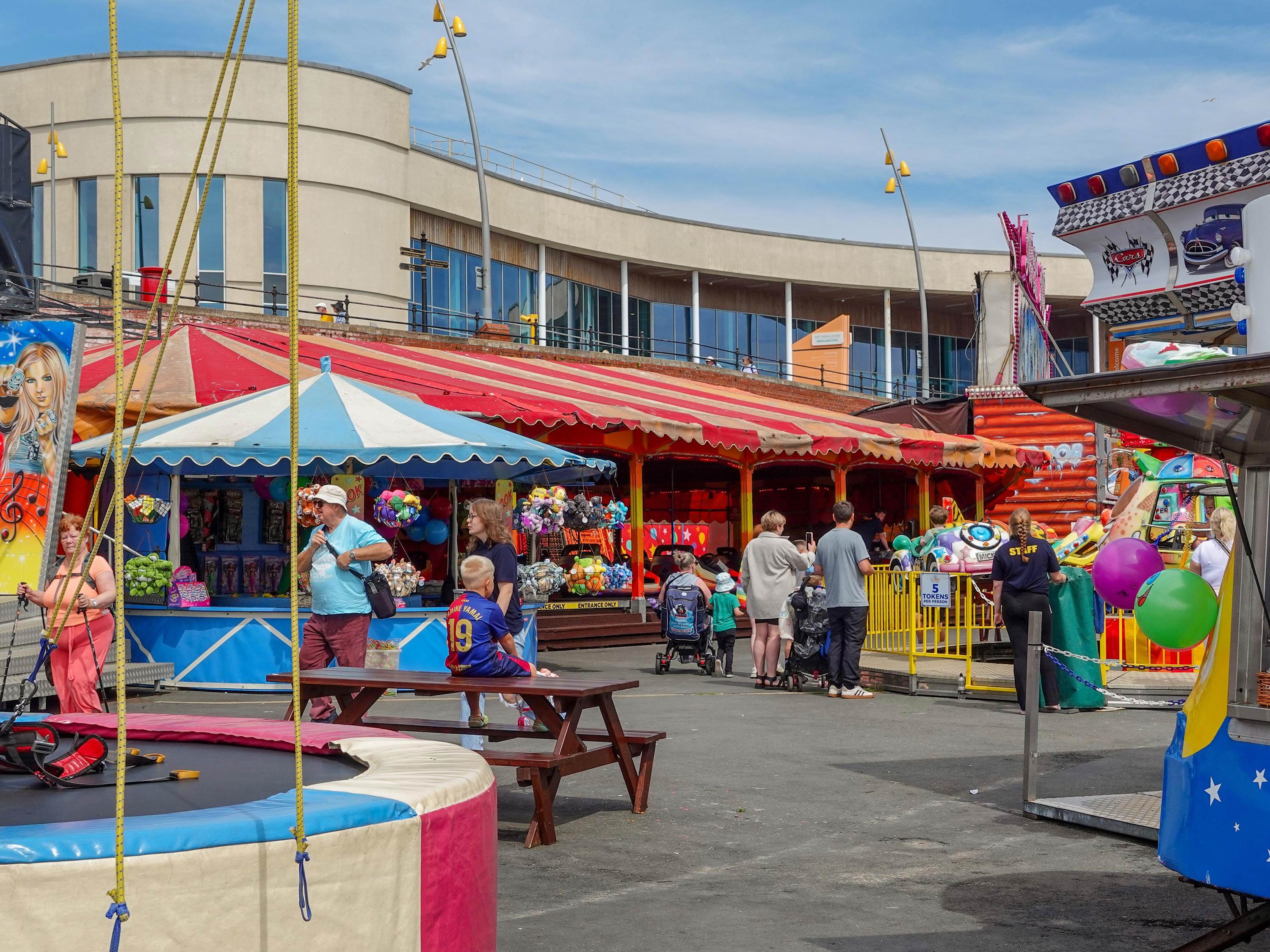
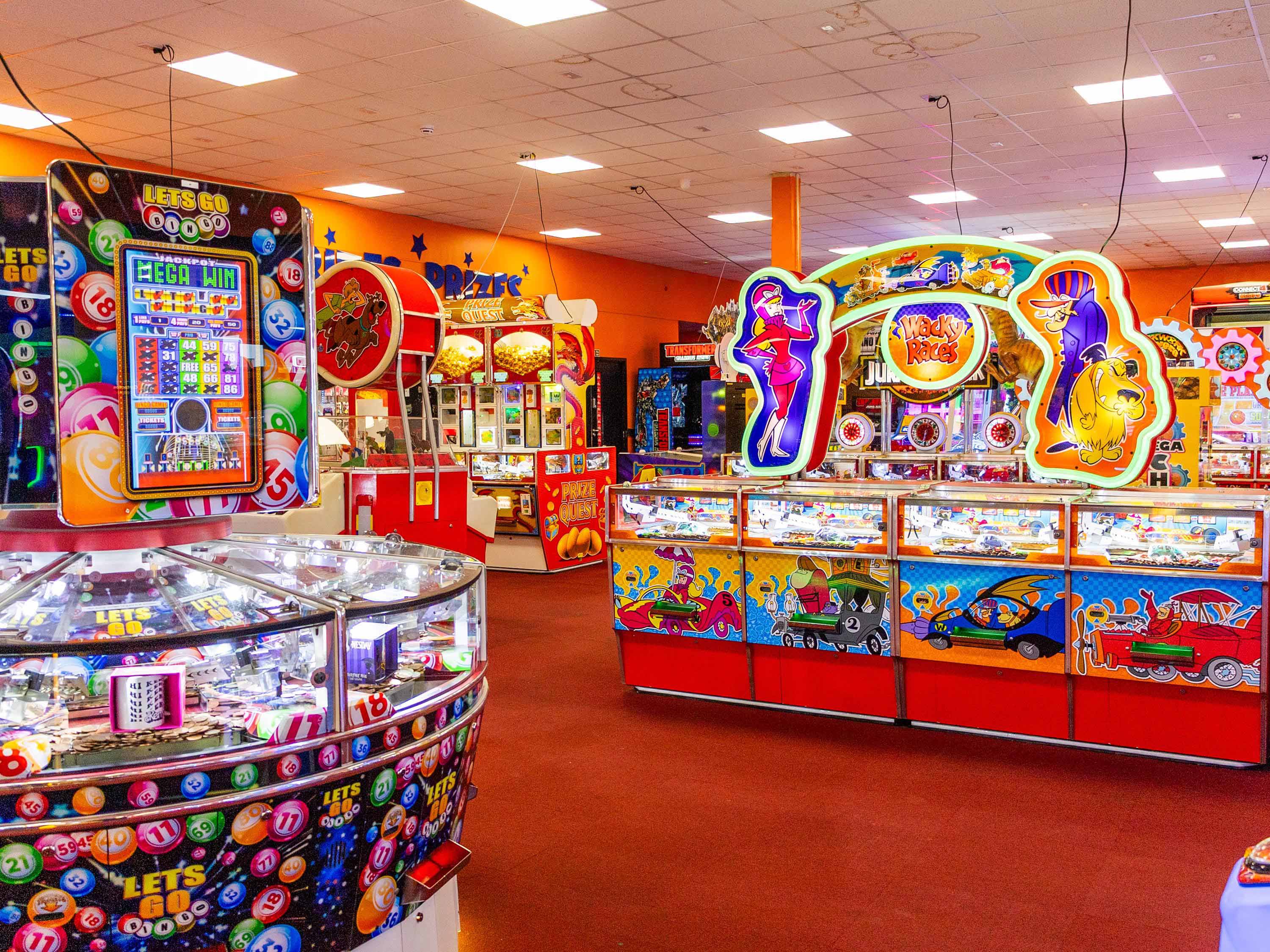
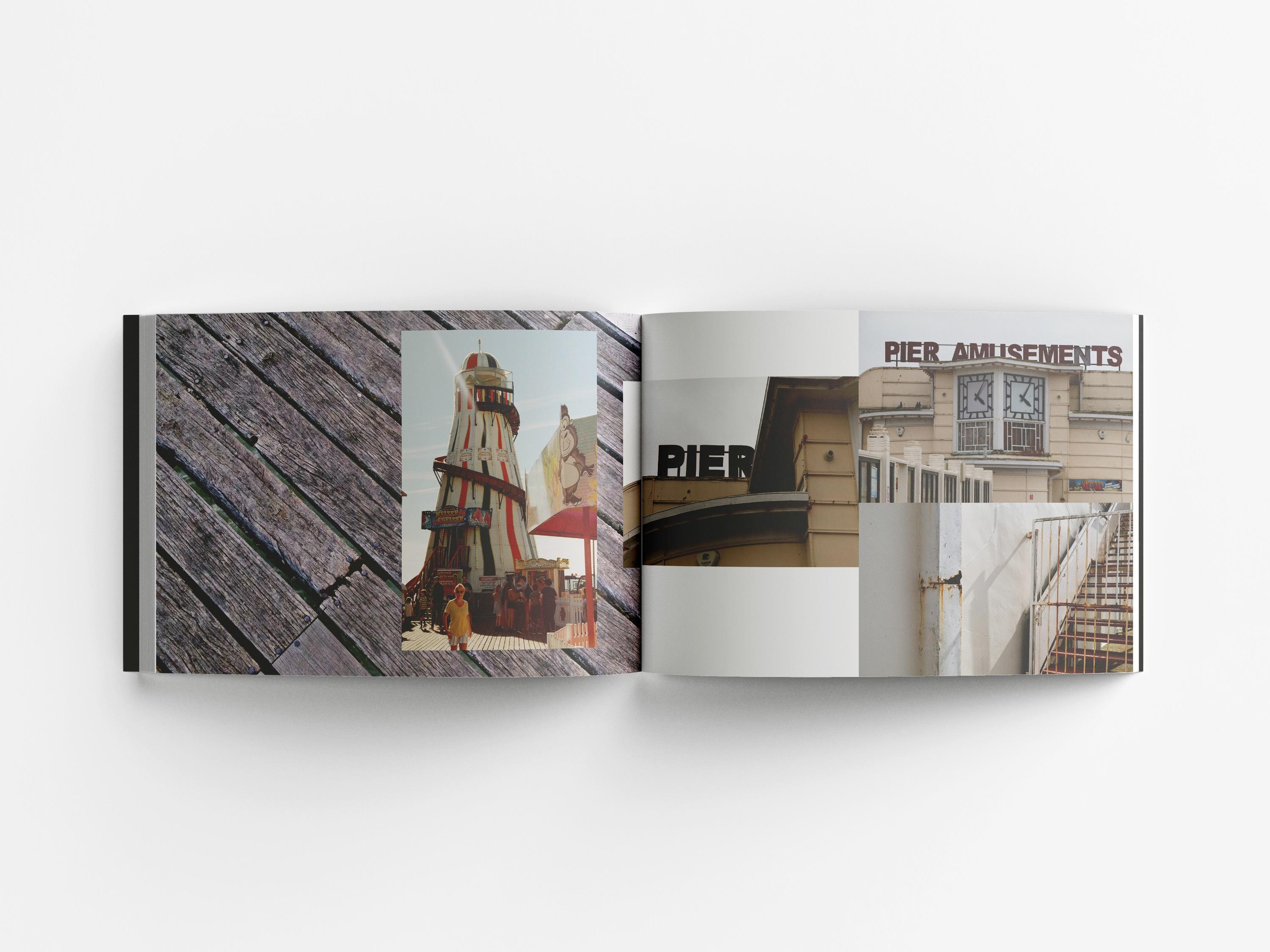
Walking along the seafront, it is very easy to spot the odd amusement centre, funland, pleasureland or treasure island - all common business names for an arcade. With entertainment being at the centre of seaside activities, arcades have become a very recognisable aspect of the seaside. While the soft lull of the waves sing in the distance, it is contrasted with the absolute frenzy of sound that emanates from the entertainment hotspot.
Chief among arcade games is the 2p penny pushers, where a five-pound note can go a long way in winning you a small prize. Armed with a cup full of 2p coins, one can feed them into the machine, pushing along the other coins off the edge and hopefully into your cup again. Mechanical amusements began appearing on piers and in entertainment centres by the end of the 19th century; coin-operated machines such as the penny-pushers, fortune teller machines, mechanical theatres, first version of fairground rides; and later the 20th century saw electrical arcade games, or pinball machines adopted. Arcades provided simple, low-cost yet addictive games that particularly drew in the working-class holidaymakers.
 ß
ß
Chapter Four
The Seaside Towns That Forgot to Close Down
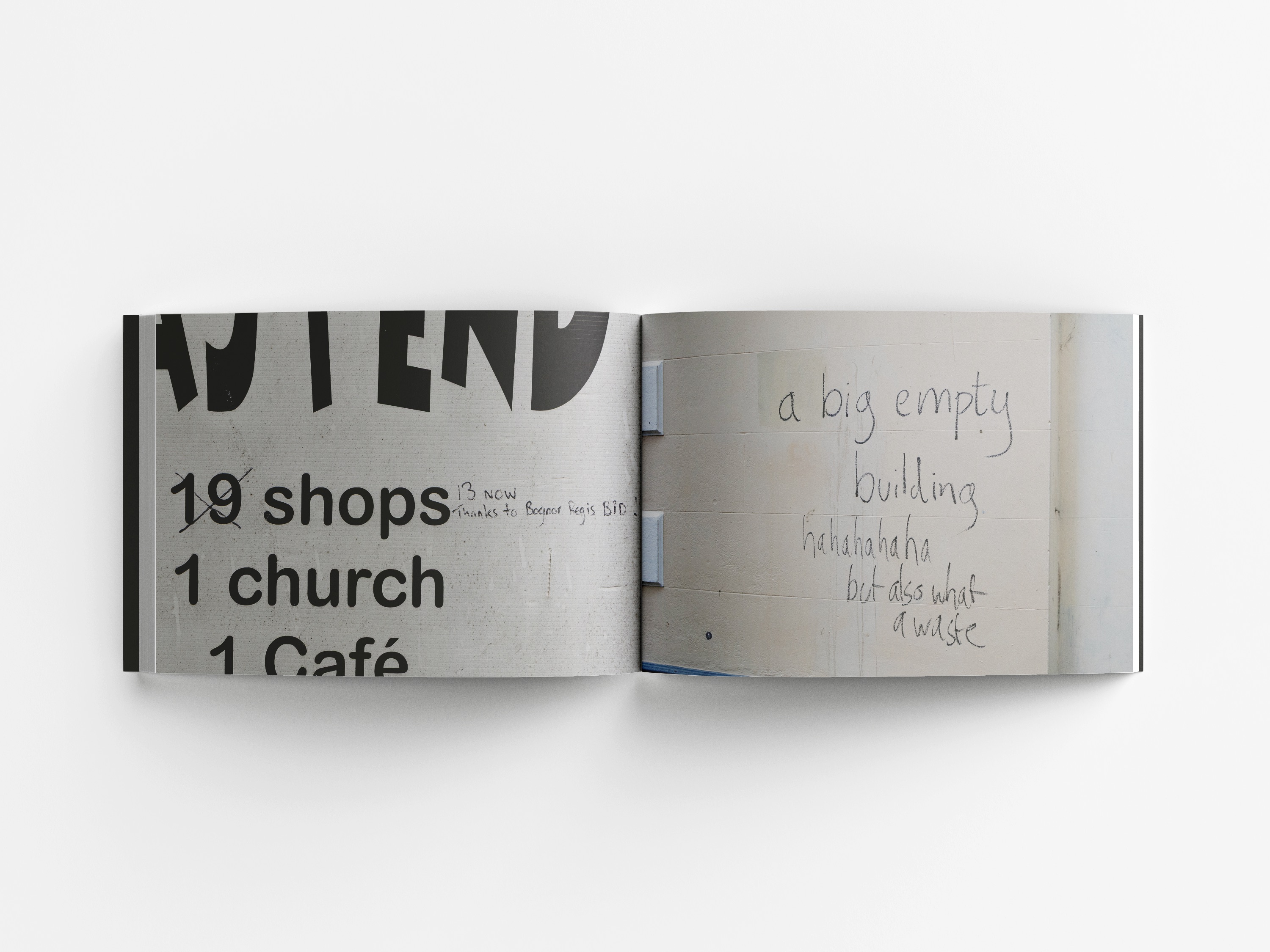
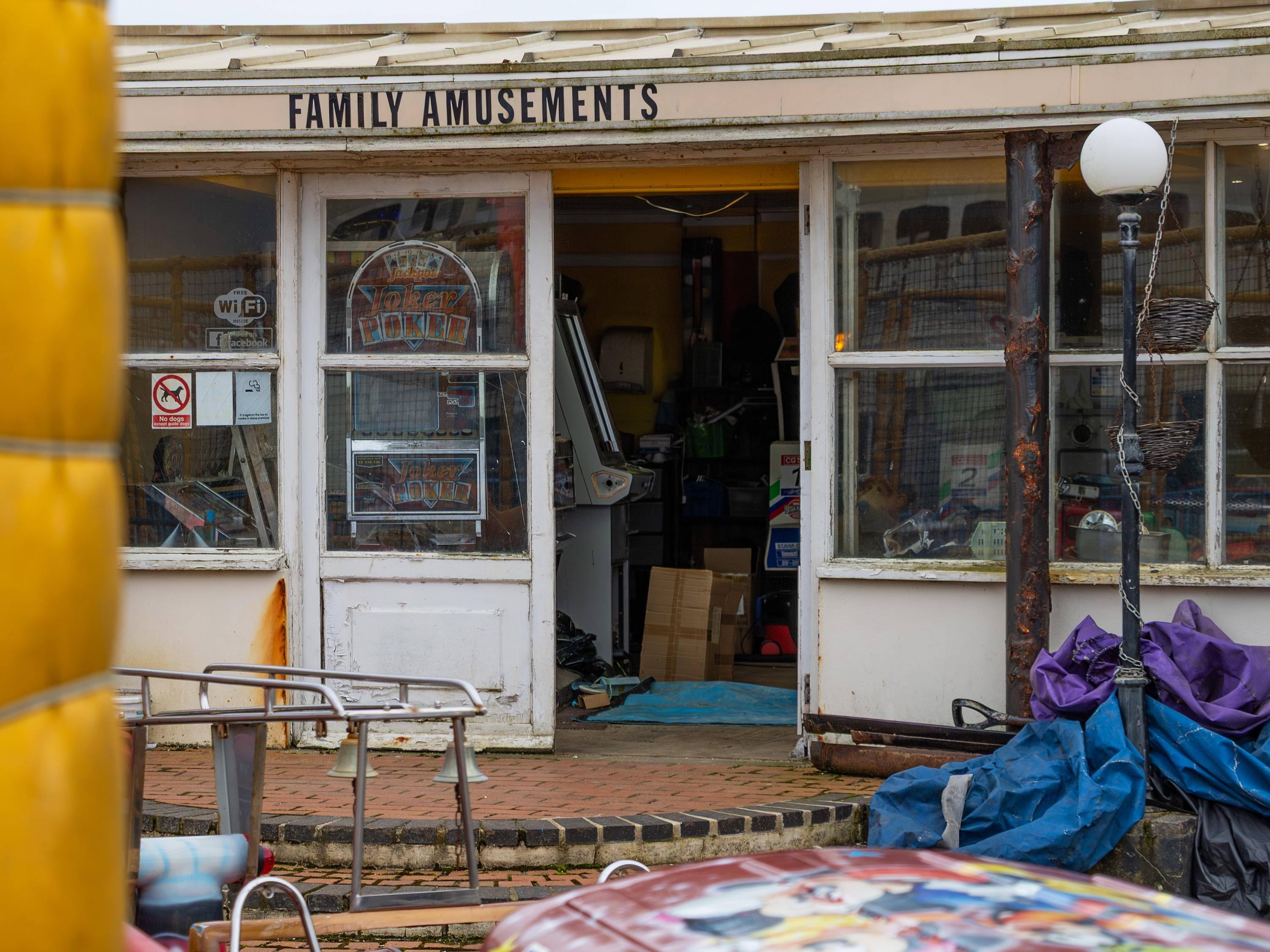
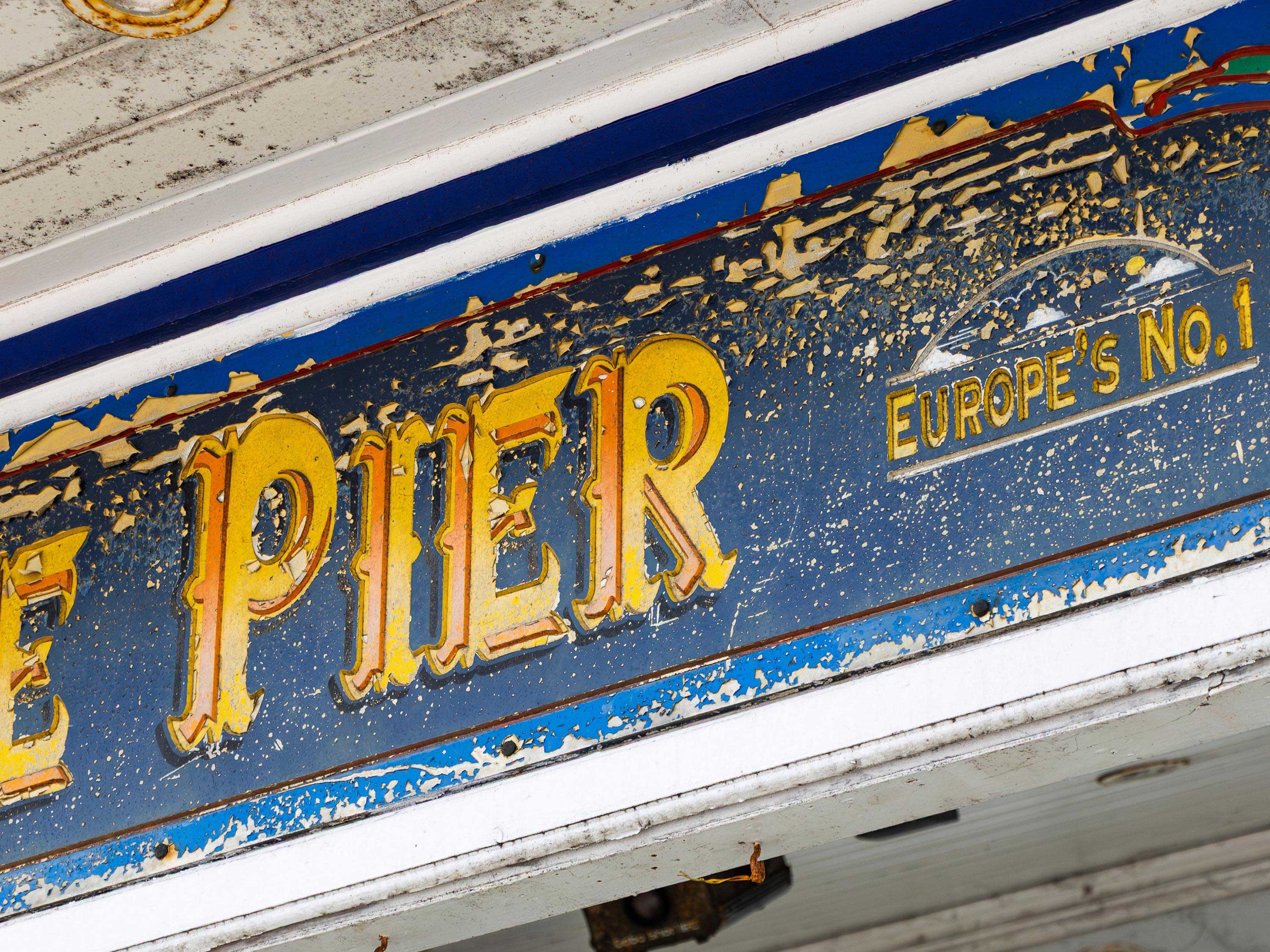
Towns saw declining visitor numbers, and other social challenges; becoming unfashionable for the youth, an aging population, an unreliable and seasonal job market. And with an even smaller reason for investors to spend their share on the seafronts many businesses and resorts slowly began to chip away. The rise of affordable international travel drew visitors away to warmer and more exotic destinations, while changes in industry and employment left many coastal communities economically vulnerable. Traditional attractions such as piers, arcades, and boarding houses struggled to modernise, leading to a sense of stagnation. Although some towns have seen regeneration efforts and niche tourism revivals, the overall picture remains one of uneven recovery and lingering nostalgia for a more prosperous past.
References
1. Jonathan. “A History of UK Seaside Amusements.” Anglotopia.net, February 10, 2026. https://anglotopia.net/news-features/a-history-of-uk-seaside-amusements/.
2. John K. Walton. The British Seaside: Holidays and resorts in the twentieth century. Manchester University Press, 2000
Full-page quotes:
John K. Walton. The British Seaside: Holidays and resorts in the twentieth century. Manchester University Press, 2000
Meades, Alan F. Arcade Britannia: A social history of the British Amusement Arcade. Cambridge, MA: The MIT Press, 2022. Chapter 11: A Historic Accident.
Chapman, Anya, and Duncan Light. The ‘Heritagisation’ of the British Seaside Resort: The Rise of the ‘Old Penny Arcade.’ Journal of Heritage Tourism 6, no. 3 (August 2011).
Sikorski, Richard Prothero and Rafal. Coastal Towns in England and Wales: October 2020. Coastal towns in England and Wales - Office for National Statistics. https://www.ons.gov.uk/businessindustryandtrade/tourismindustry/articles/coastaltownsinenglandandwales/2020-10-06.