Abstract
This thesis examines the tourist as a non-harming figure of creative exploration, navigating and interacting within the dimensions of social media environments. It challenges the dominant narrative of platforms as escapist paradises, reframing them as spaces for curiosity and engagement with the Unknown, while attempting to reduce algorithmic influence.
The global erosion of national borders and world-shrinking processes are explored through the lens of travel, technology, and the extension of tourism beyond the upper class. Analyzing technological developments from the Industrial Revolution, with the invention of the Internet and ‘smart’ devices, provides a historical context for research. By investigating the tourist as an epitome of travel and the contemporary implications of tourist activity on the platform, this paper investigates the tourist’s capacity to reverse global homogenization.
Whether the tourist can escape the social media bubble and algorithm-induced decision-making will be examined through the analysis of historical records and literature deriving from media theory, net criticism and contemporary philosophy.
Intro
-
Moorhouse, Pete. Curiosity. Birth to 5 Matters, 2021, www.birthto5matters.org.uk/wp-content/uploads/2021/03/Curiosity-Bto5-2021.pdf
-
Age of Discovery. Wikipedia, Wikimedia Foundation, en.wikipedia.org/wiki/Age_of_Discovery
-
Mercator titled the map "New and more complete representation of the terrestrial globe properly adapted for use in navigation".
Mercator 1569 World Map. Wikipedia, Wikimedia Foundation, en.wikipedia.org/wiki/Mercator_1569_world_map -
Domestika. 5 maps and 5 (very different) views of the world: Blog. www.domestika.org/en/blog/7225-5-maps-and-5-very-different-views-of-the-world
-
The world wasn’t new because it existed in this format way before periods of colonization. It was lie through which the European empire chose to strengthen the binary distinction between “civilized us” and “uncivilized them” justifying further expansion and cruelty.
-
System of Systems: Outsourcing Europe’s Borders – Part 1. YouTube, 18 Nov. 2020, www.youtube.com/watch?v=zCAgb2SaCkM
-
The Unknown is defined as a place, situation, or thing that is not known about or understood.
-
Glossary of tourism terms. United Nations World Tourism Organisation, www.unwto.org/glossary-tourism-terms
-
Media Theory. Global Village: Media’s Influence on Global Communication. 26 July 2024, www.mediatheory.net/global-village/
-
Norwegian University of Science and Technology (NTNU). What is cybernetics? 26 July 2024, www.ntnu.edu/itk/what-is
-
Social media platforms serve as prime examples of this model. When a user encounters a link within the app, Instagram opens the linked webpage internally, rather than redirecting the user to an external browser. This design ensures that users remain within the app, increasing the likelihood of continued engagement after viewing the linked content. Ultimately, the walled garden steers user navigation towards certain content while limiting access to data outside its boundaries. Social media platforms like Instagram serve as prime examples of this model. When a user encounters a link within the app, Instagram opens the linked webpage internally, rather than redirecting the user to an external browser. This design ensures that users remain within the app, increasing the likelihood of continued engagement after viewing the linked content. The walled gardensteers user navigation towards certain content while limiting access to data outside its boundaries.
Froehlich, Andrew. What Is a Walled Garden? Search Security, 30 Nov. 2021, www.techtarget.com/searchsecurity/definition/walled-garden -
Bagnato, Alessandro. Alcova, a Temporary Design Exhibition in Milan, Takes Place Within a Wider Context of Real Estate Speculation? The Architect’s Newspaper, 2 May 2023, www.archpaper.com/2023/04/alcova-a-temporary-design-exhibition-takes-place-within-a-wider-context-of-real-estate-speculation/
-
The ex-pastry factory which hosted the first Alcova edition, has now been demolished, and a new block with 35,520 square feet (3,300 square meters) of private housing is being constructed. Since Alcova, housing prices in the neighborhood rebranded as “NoLo,” have plummeted, and grown faster than anywhere else in the city. Each April, Milan’s urban changes and increasing poverty levels of its residents are covered by a layer of art- and design-washing targeting the Design Week’s visitors and international exhibitors.
-
Martin Pawley in Terminal Architecture (1998) discusses how owners of electronic spaces lease or sell these 'realities' to consumers via distributors and retailers.
-
The British TV series—Century of the Self (2002)—demonstrates how (among others) advertising strategies have been enhanced by psychoanalysis to create a model consumer society (in the American context). Changing it from a society of need to a society of desire by connecting to people’s unconscious feelings and training their mind to “desiring new things before the old get worn out”. Programming masses was not only achieved my powers of persuasion but subliminal manipulation of the mind.
Since the late 1950s subliminal stimuli have been delivered through all forms of mass-media. They are defined as sensory inputs below the threshold of conscious awareness, meaning they are not perceived consciously by the individual. These stimuli can influence thoughts, feelings, or behaviors without the person being aware of them. They are messages or signals presented so quickly, faintly, or subtly that they are not consciously detected, yet they may still have an effect on the individual’s subconscious mind. Examples include hidden messages in advertisements (like flashing messages like “Hungry”, “Eat Popcorn”, “Drink Coca-Cola” during cinema screenings which effectively increased popcorn sales by 57.7 percent and Coca Cola sales by 18.1 percent) , or brief visual or auditory cues that are flashed too quickly for someone to consciously notice.
In Programming the nation. Subliminal Messages to the Masses (2011) through eye-opening footage, revealing interviews, humorous anecdotes, and an array of visual effects the alleged use of subliminals in advertising, music, film, political propaganda and the military gets explored. It takes in the entire history of alleged subliminal messages, from hidden sexual imagery in Disney cartoons and satanic messages in rock music, to the James Vicary experiment where “drink coca-cola” was flashed between frames at a cinema, and the infamous Republican RATS campaign that won Bush the presidency. -
Tourism (n.). Etymology, https://www.etymonline.com/word/tourism
-
Flâneur. Wikipedia, Wikimedia Foundation, en.wikipedia.org/wiki/Fl%C3%A2neur
-
Tourismphobia. Wikipedia, Wikimedia Foundation, en.wikipedia.org/wiki/Tourismphobia
-
Lovink, Geert. Stuck on the Platform: Reclaiming the Internet. Valiz, 2022.
-
Quicho, Alex. GIRLSTACK. BODYSTACK Summit, London College of Fashion, 2023.
-
Private retailers or public services that provide travel and tourism-related services to the public on behalf of the accommodation or travel suppliers to offer different kinds of travel packages for each destination.
Travel Agency. Wikipedia, Wikimedia Foundation, en.wikipedia.org/wiki/Travel_agency -
Booking.com and Airbnb have been accused of committing war crimes by facilitating the rental of homes in illegal Israeli settlements built on confiscated Palestinian land in the West Bank. These settlements, which have expanded significantly since October 7, 2023, are a focal point of violence and oppression. Palestinians living nearby suffer attacks, detentions, torture, and killings, while Israeli settlers further entrench their control over the occupied territories. The settlements are not only a physical infringement on Palestinian land but are part of a broader pattern of human rights violations.These travel companies showcase the beauty and amenities of accommodations in the settlements. By presenting a sanitized and attractive image for tourists they contribute to the spread of propaganda that obscures the human rights violations happening in the region. Tourism activities that bring foreign visitors to the settlements have directly contributed to their expansion, facilitating the Israeli government's long-term control over the occupied territory. The involvement of companies like Booking.com and Airbnb in the promotion of these settlements is seen as prioritizing financial profit over ethical considerations. Despite the potential for international legal consequences, these companies continue to see the settlements as a lucrative business opportunity. On May 23, a collective of European and Palestinian NGOs made public a criminal complaint against Booking.com in The Netherlands. They accused the company of money laundering in connection to war crimes, as the enterprise profits from renting out accommodation in Israeli settlements in occupied Palestinian territory.
Lingsma, Tjitske. Is Booking.com Profiting from War Crimes in Palestine?. JusticeInfo.net, 23 May 2024, www.justiceinfo.net/en/132249-is-booking-com-profiting-from-war-crimes-in-palestine.html -
The Airbnb effect refers to the negative impact that platforms like Airbnb have on housing prices and communities, particularly in popular cities. It is similar to gentrification, where rising property values and rental prices push out local residents due to financial constraints. Studies in cities such as Amsterdam, Barcelona, Edinburgh, and Los Angeles have shown that Airbnb-driven overtourism contributes to this phenomenon.
While Airbnb offers economic benefits such as increased tourism and additional income for homeowners and landlords, concerns have emerged about its long-term effects on local housing markets. The platform's impact includes reducing the availability of housing stock for long-term rentals, as landlords convert properties into short-term let raising prices and eventually making them unaffordable to native residents.
Barker, Gary. The Airbnb Effect on Housing and Rent. Forbes, 20 Feb. 2024, www.forbes.com/sites/garybarker/2020/02/21/the-airbnb-effect-on-housing-and-rent/ -
The visa process impacts people’s plans and time. While having travel tickets and hotel stays already pre-booked is a condition to even qualify for the visa, there aren’t guarantees of it being approved. Any suspicion of immigration attempts (other illegal activity) will immediately qualify the application to be rejected. A single denial, once recorded in the system, will most likely trigger a chain of further rejections.
-
Avatar (computing). Wikipedia, Wikimedia Foundation, en.wikipedia.org/wiki/Avatar_(computing)
-
Compared with today’s standardization, early passport photos didn’t appear to have many rules at all. As access to photography was limited and having one’s picture taken was very expensive, images might be cut out of group photos, show smiling people decked out in full religious garb or a hat, or even be portraits of people doing the things that they loved. The notion of assigning a passport to a single person was also a later one (1920).
Collective passports included family passports in which family pictures used to be accepted to constitute for whole family travel documents and group passports for groups of workers or refugees.
While single women were entitled to travel alone, married women until the 1930s were only footnotes on their husband’s passports (e.g. Mr. John Smith and wife) meaning they couldn’t make use of the document without their husband present. Photography, despite its ability to record the uniqueness of individual bodies, proved to be a technology that could control one's mobility.
Frost, Natasha.The History of Passport Photos, from ‘anything Goes’ to Today’s Mugshots. Atlas Obscura, 13 Sept. 2017, www.atlasobscura.com/articles/passport-photos-history-development-regulation-mugshots -
Full name, address, nationality, gender, phone number, email address.
-
German phrase combining fern (“far”) + Weh (“pain”), literally “far pain” / “far sickness”; a longing for distant places, a yearning for travel.
-
German phrase combining wandern (“to wander; to hike”) + Lust (“desire, wish to do or have something; fun, pleasure”); a strong desire to travel
-
Stories (in the form of letters, reports, chronicles, and travel narratives)that circulated within popular discourse were often ill informed by Euro-colonial narratives in a tone that justified the conquest of many of the world’s oldest civilizations. Their assumptions and biases, through the construction of the exotic Other in the binary ‘us and them’, shaped current cultural horizons in a racialized and discriminatory way. Some examples could be:
Christopher Columbus who described “very poor [...], naked, ignorant” islanders he encountered while “taking possession of their island”
Journal of the First Voyage of Columbus, www.americanjourneys.org/AJ_PDF/AJ-062.pdf
Antonio Pigafetta—a Florentine navigator who went with Magellan on the first voyage around the world (1519–22)—described encountering a native Patagonian with a mirror, whereupon the impassioned giant lost his senses to the terror of his own image.
Quayson, Ato. The Cambridge History of Postcolonial Literature. Cambridge: Cambridge University Press, 2012.
Daniel Dafoe, who by publishing Robinson Crusoe (1719) established the archetype for a whole series of colonialist narratives of voyaging, settlement and encounter of the so-called ‘civilized’ and ‘savage’ worlds by “making the barren land fruitful, working to make all nature serviceable and useful and ‘rescuing’ the native from savagery and barbarism by bringing them the benefits of civilisation.
Quayson, Ato. The Cambridge History of Postcolonial Literature. Cambridge: Cambridge University Press, 2012.
Aletta Jacobs—a Dutch physician and women's suffrage activist, first woman to officially attend a Dutch university—wrote letters during her world travels in 1911 and 1912, the goal of which was to meet with women outside of Europe and to encourage the fight for their rights, in which her upperclass white affluence revealed racist tendencies by for example calling Cape Town natives “small, fine-boned, monkey-like Bushmen [...] and other coloreds” as trying to copy the Europeans by wearing their clothes and using their mannerisms, which often makes them look utterly ridiculous”.
Boomsma, Christien. An Imperfect Hero: The Dark Side of Aletta Jacobs. UKrant.nl, 21 Feb. 2024, ukrant.nl/magazine/an-imperfect-hero-the-dark-side-of-aletta-jacobs/?lang=en -
Sanchez, Dan. “History of Vlogging, the First Vlogger, & How Vlogging Evolved.” danchez.com/history-of-vlogging/
-
Window (computing). Wikipedia, Wikimedia Foundation, en.wikipedia.org/wiki/Window_(computing)
-
Martin, James. Inventive man takes to the skies during quarantine with the help of a washing machine. Lonely Planet, 15 Apr. 2020, www.lonelyplanet.com/news/airplane-washing-machine-coronavirus-video
-
European offline romanticism is a term that can refer to a contemporary or nostalgic movement that seeks to recapture the ideals and aesthetic values of traditional European romanticism, but in an offline, non-digital context. This may involve a return to more tangible, intimate, and personal experiences, away from the overwhelming presence of technology and digital media.
-
According to Henri Lefebvre, the realm of perception and imagination are not separable from physical and social space. With time, (the imagined) perceived space and its visually understood materiality (le perch) change into the embodied form of a lived space, defined as authenticity (le vecu).
Lefebvre, Henri. The Production of Space. Basil Blackwell, 1991, www.monoskop.org -
Removing the Outside Wall of a Ruined House. Lara Almarcegui, Taipei, 2008. Gallery Viewer, galleryviewer.com/en/artwork/1727/removing-the-outside-wall-of-a-ruined-house-taipei
-
Pawley, Martin. Terminal Architecture. reaktion Books, 1998.
-
Le, Mina. why is social media not fun anymore? YouTube, 19 Feb. 2025, www.youtube.com/watch?v=mwIYwsONFes
-
Comstock, Gordon. Jennifer in Paradise: The Story of the First Photoshopped Image. The Guardian, Guardian News and Media, 13 June 2014, www.theguardian.com/artanddesign/photography-blog/2014/jun/13/photoshop-first-image-jennifer-in-paradise-photography-artefact-knoll-dullaart
-
Dullart, Constant. A Letter to Jennifer Knoll. Rhizome, 15 Sep. 2013, rhizome.org/editorial/2013/sep/5/letter-jennifer-knoll/
-
Museum for Photography and Visual Culture: Jennifer in Paradise. Fotomuseum Winterthur, www.fotomuseum.ch/en/situations-post/jennifer-in-paradise/
-
Chayka, Kyle. Filterworld: How Algorithms Flattened Culture. Doubleday, 2024.
-
Lovink, Geert. Stuck on the Platform: Reclaiming the Internet. Valiz, 2022.
-
Tiqqun. How Is It To Be Done?. Void Network, 25 Nov. 2024, voidnetwork.gr/2012/07/18/how-is-it-to-be-done-by-tiqqun/
Curiosity is a fundamental trait that humans are born with. From early childhood onwards, it fuels the
desire to explore through play and learn about the world.
1
From Magellan’s contested expeditions to Mercury Seven’s space missions, exploration has shaped history
as we know it. When exploring was reinterpreted into exploiting during the so-called “Age of
Exploration”
2
, European colonizers charted distant geographies, claiming lands and reshaping power structures, which
transformed the Earth’s map. On the 1569 published Mercator Map
3
Europe was presented not only as way bigger than it is but as the center of the world.
4
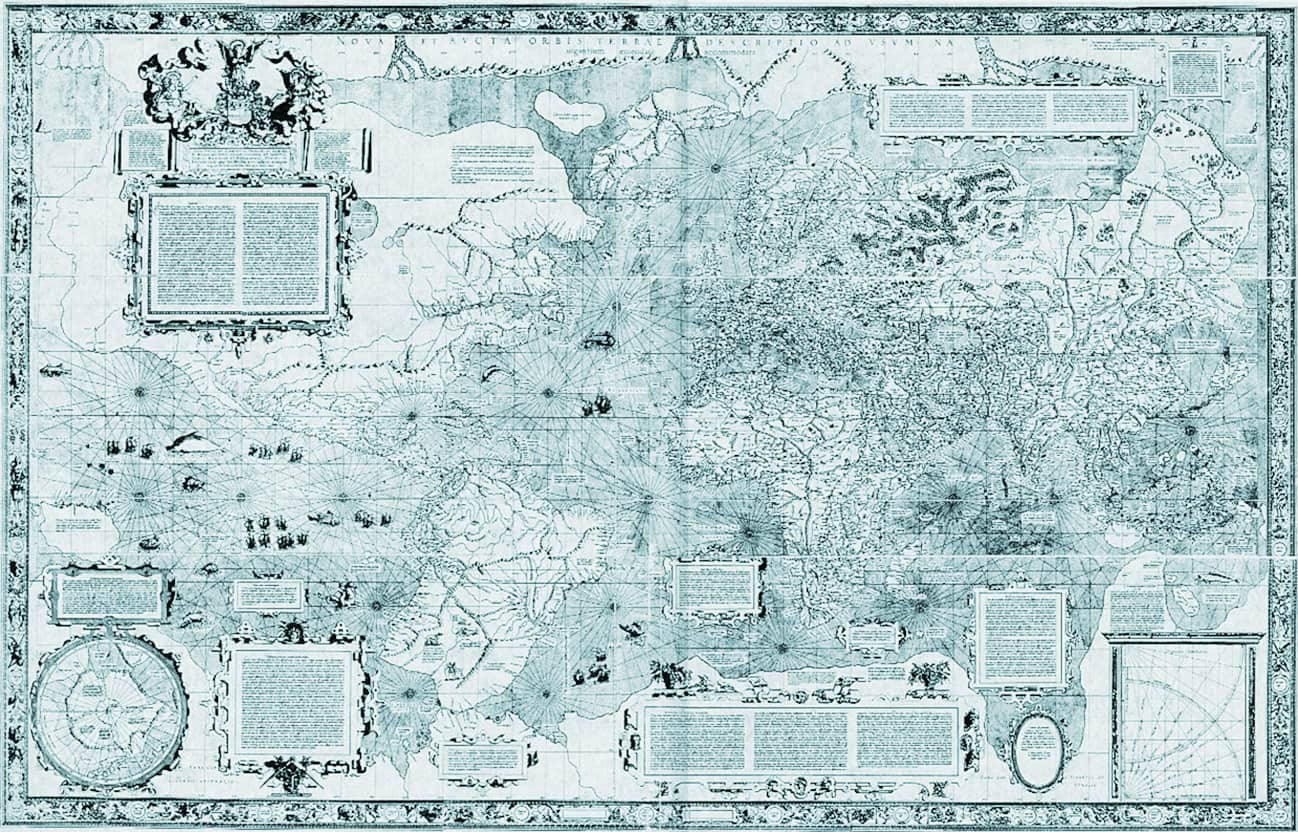
With newly defined borders came a denial of the actual territorial frame and a presumed ownership over land, people, and resources. In the post-colonial “New World” 5 order, more powerful and wealthy nation-states continuously attempted to impose their hegemony upon others by concealing acts of terror and oppression with the urgency of expansion. 6
Despite the rising awareness of colonialism, its aftermath and the ongoing form it exists in today, many people have trouble letting go of the myth of the courageous explorers who dared to discover the Unknown. 7 Eurocentric colonial lies perpetuated a romanticized image of the colonizer and fueled global exploration-thirst pushing many to see the “New World” themselves.
Romantization of travel inspired the European bourgeoisie of the 17th century to embark on journeys of self-cultivation around the continent during their youth, to deepen their self-awareness as inheritors of European culture. While traveling to this day remains nested in privilege, instinctual curiosity propelled humanity to progress. Technological advancements of the first (1760–1830) and second Industrial Revolution (late 19th–20th century) for the first time made travel accessible to members of the working-class. 8 Tourism was the manifestation of the apex of the desire to explore the world.
The United Nations defines tourism as a social, cultural, and economic phenomenon that entails the movement of people to places outside their usual environment for personal or professional reasons, staying away from their homes for more than one night but less than one year. Existing tourism typologies provide a diverse range of options for all types of travelers—from mass to niche, domestic to international, inbound to outbound, and beyond. 9
No-visa agreements, improved infrastructure, digitalization of booking services, and low-cost transportation facilitated travel and globalized tourism. Since goods, services and socio-cultural influences started homogenizing, arbitrary borders between countries began to dissolve into a Global Village. Marshall McLuhan developed this term in the 1960s to deal with a trend in which the advancements in (communication) technologies shrunk the world into a closely knit community. The advent of the internet has been heralded as its quintessential medium, having ushered in an era of unprecedented connectivity and interactivity happening in real-time, regardless of geographical location. 10
In 2020, the smooth, borderless plane of the Global Village collapsed. The COVID-19 pandemic caused countries to close their borders, making travel and exploration unattainable again. Forced to replace real-life exploration, we turned to the Explore page, where the "cyber-" prefix took over, and the tourist turned Internet Explorer. The web, which began as a static, informational space (Web 1.0), evolved into a social, user-driven platform (Web 2.0), and eventually incorporated intelligent, decentralized dynamics (Web 3.0), reflecting an increasing desire for connection and interaction. By 2020, these digital environments had become direct manifestations of the cybernetic dynamics of control, access, and communication. 11 The root of the word cybernetics is the Latin kybernetes (steerman, guide) and kybernan (to steer or pilot a ship), linking its etymology to voyagery. When the global community retreated into digital spaces, the internet's evolution mirrored the shift toward virtual exploration in place of physical travel.
The platform environment, however, shaped by algorithmic highways, forms a landscape where the state of true exploration based on chance and openness is hindered. So while the tourist, who visits different countries guided by individual interest and the desire to explore the Unknown, is an important agent in reversing the world-shrinking trend, the platform trapped them in a custom bubble tailored to them. An environment that controls the user's access to network-based content and services is defined as a walled garden. 12 However, since territorial constraints have never stopped humankind from exploring what’s beyond the horizon, the entrapment of virtual space should not obstruct online discoveries.
Welcome to Avatour! By comparing the tourist and platform-user, I will attempt to encourage and advocate for entering an updated tourist-mode to escape the social media trap, while facilitating a more informed exploration and authentic interaction.
Social disruptions caused by the COVID-19 pandemic led to massive losses for tourism-dependent economies and countries grappling with how to lure visitors back, only to be followed by an intensification of anti-tourist movements responding to post-pandemic tourist influx. There is a hint of colonialism in the way well-subsidized travel undertakings take over infrastructure around cities, generating costs that most local inhabitants could never afford. The apparently too-short-to-be-of-impact-to-the-site’s-future excursions are inscribed in the history of temporary and pop-up strategies as a testament to gentrification processes. 13 One of many examples is Milan, dubbed the ‘tax haven of real estate’, which has been using temporary ‘tourist attractions’ to mask the cities’ financialization. 14 The prediction for the future of mainstream holiday destinations favors a transient population—tourists, remote workers, and wealthy exchange students—over permanent residents. The property market is now seen in the realm of ‘secondary reality’. Martin Pawley in Terminal Architecture discusses how owners of electronic spaces lease or sell these ‘realities’ to consumers via distributors and retailers. He predicted that the emergence of these enterprises reflects how the sale and leasing of reality is destined to become the biggest post-industrial business of all. 15 Tourists, responsible for the running of these markets, notice little to nothing of the implications of those harmful dynamics.
The Avatour aims to explore the concept of tourism within the European context, which I’ve experienced for 24 years. Born in Poland and holding a Polish passport, I've had the privilege of being a tourist, with visa-free access to over 190 countries. Despite growing up in a working-class family and never traveling outside Europe due to cost, my passport has provided ease of movement opening doors as effortlessly as I do. Meanwhile, my social media presence since age 13 has further connected me to global communities and events.
While being aware of the incompleteness of argumentation provided during this Avatour due to limiting
it
to my lived experience in the European context, I would like to offer it as an introduction to a new
wave of responsible tourism. An open-source travel diary—accessible to anyone, and up for grabs.
I wish you a pleasant trip.
The Impulse
The itch, the spark, the urge, the inspiration, the vision, the hallucination. Whatever you may call it, the impulse manifests as an explosion of personal desires triggered by a response to external stimuli.
This brings me to how this Avatour came to life. I grew up with access to technology and continue to be surrounded by it in my professional and private life. With my first PC being one with the Windows XP operating system and its iconic default green meadow wallpaper, I have always associated the smooth surface of the screen with idyllic landscapes. The transition from Windows to OS X, one Californian landscape was replaced by many others. Each time I would look away from the screen for a moment long enough for it to auto-lock, I returned to the same beautiful photograph. The impulse got nurtured further when I transitioned to social media where across platforms algorithms and advertisements were inviting me to Brazil and Bali summers, globe-trotter content, and celebrity getaway weekends. FOMO 16 induced by social media peer pressure, dopamine addiction, and constant gratification-need is what the platform capitalizes on. Hacking invisible subliminal stimuli into its architecture makes resisting its invitation close to impossible. 17
-
18th–19th century, Europe. Romanization of travel during the Romantic era. Travel, especially to distant foreign places, viewed as means of self-discovery and self-improvement. Emphasis on mystery, adventure, and the allure of the Unknown. the English word tourist was first used in 1772 and tourism in 1811 deriving from tours, Old English turian, Old French torner, Latin tornar (turn). 18
-
19th century, France. The term flâneur is defined by Pierre Larousse as an ambivalent figure of urban affluence and modernity, representing the ability to wander detached from society while walking the thin line between feeding curiosity and being lazy. 19 As a product of the Industrial Revolution, the flâneur could afford to stroll around the streets all day, guided not by necessity but coincidence and most importantly—his gaze. The gaze constructs his desires and decisions. 20
-
1950s, world. Flâneur is re-baptized into tourist. Transport innovation (especially air travel) brought comfort and speed to travel. Low-cost carriers started replacing national airlines. Commercialization and supposed “democratization” of travel sparked a global tourist boom, driven by lower costs, rising societal wealth, and growing curiosity about foreign places. The tourist moved through unfamiliar landscapes, guided by individual interest in pursuit of recreation, relaxation, and pleasure. Tourists brought diversity, foreign capital boosting economies of destination countries.
-
2017, Europe. Tourist masses overstepped the hospitality of host countries. Tourismphobia related to congestion of cities by over-tourism. Cheap availability made possible through processes like EasyJetification and Airbnbfication resulted in herds of tourists flocking to cities, pushing up prices and making them unaffordable for indigenous residents. Locals started to protest and revolt against it resulting in numerous protests in Southern Europe. 21
-
2020 — COVID pandemic, world. National borders closed to travel for the first time since World War II. The tourist once again became an unwelcome outsider.
-
2010s—now — Platform age, world. Platforms monopolize, own, shape markets and individuals. 22 Tourism activity influenced by platforms and the “picture or didn’t happen” mindset. Platforms affirm the value of travel experiences through the like-economy. Addiction to immediate endorphin- and entertainment-delivery.
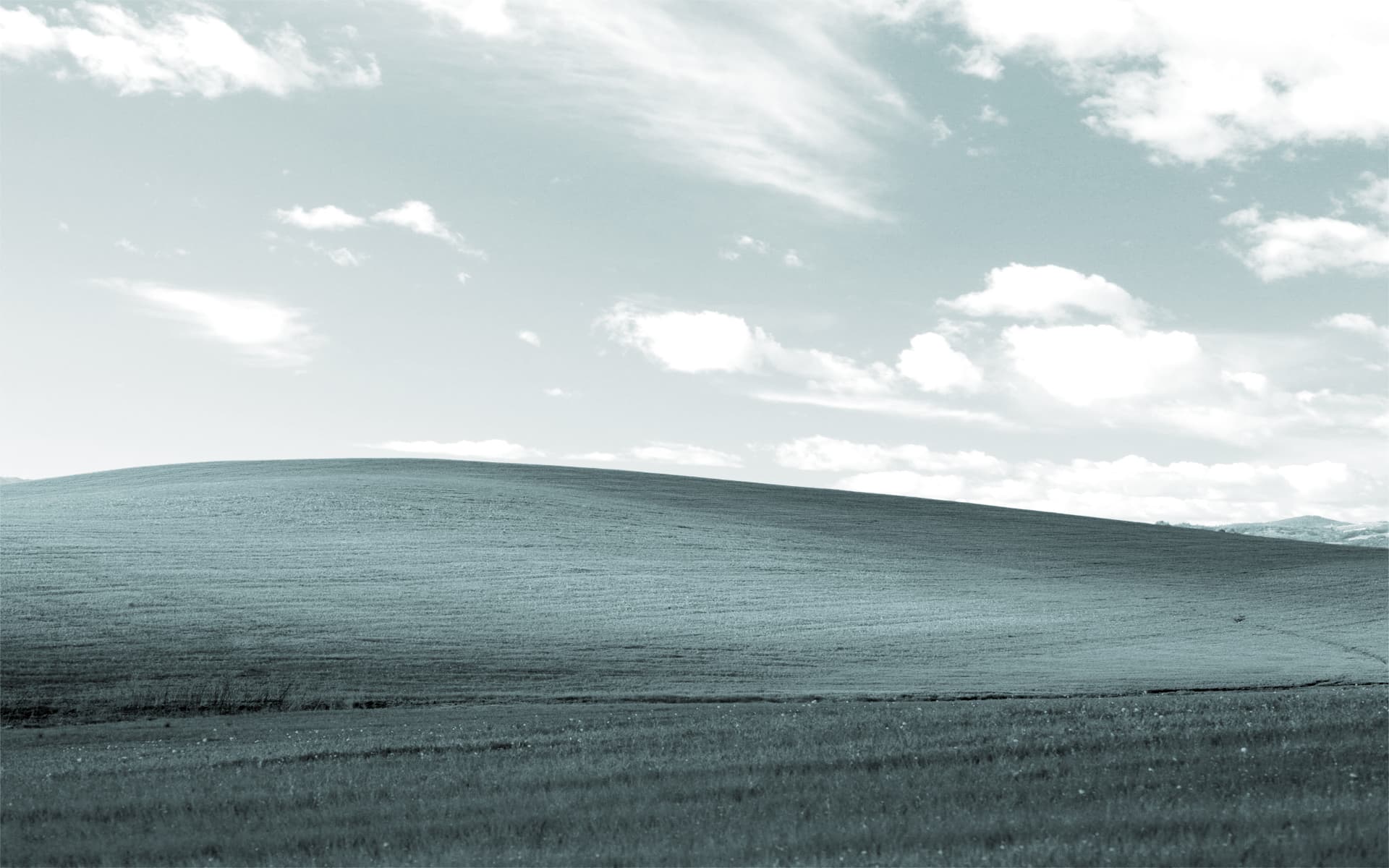
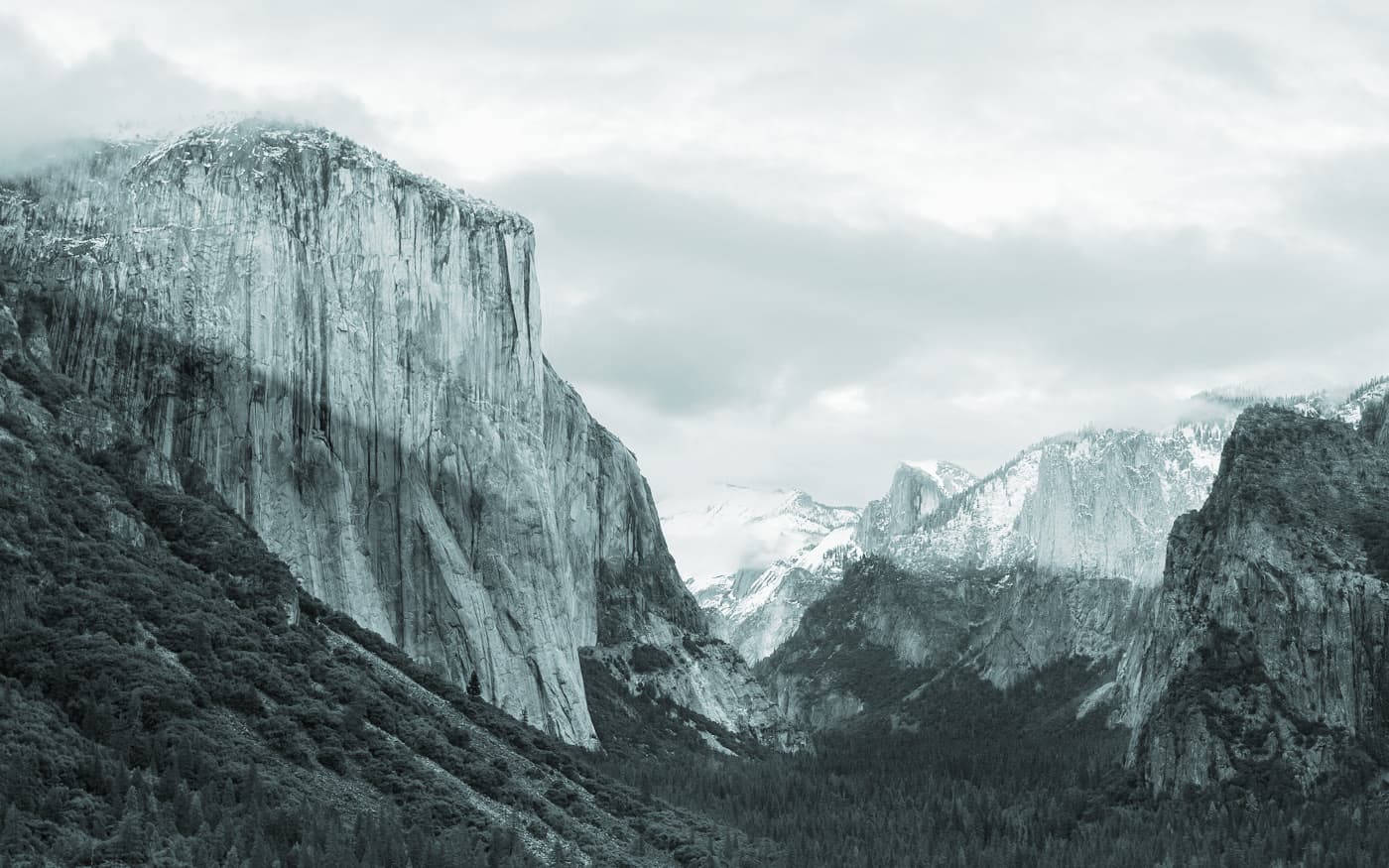
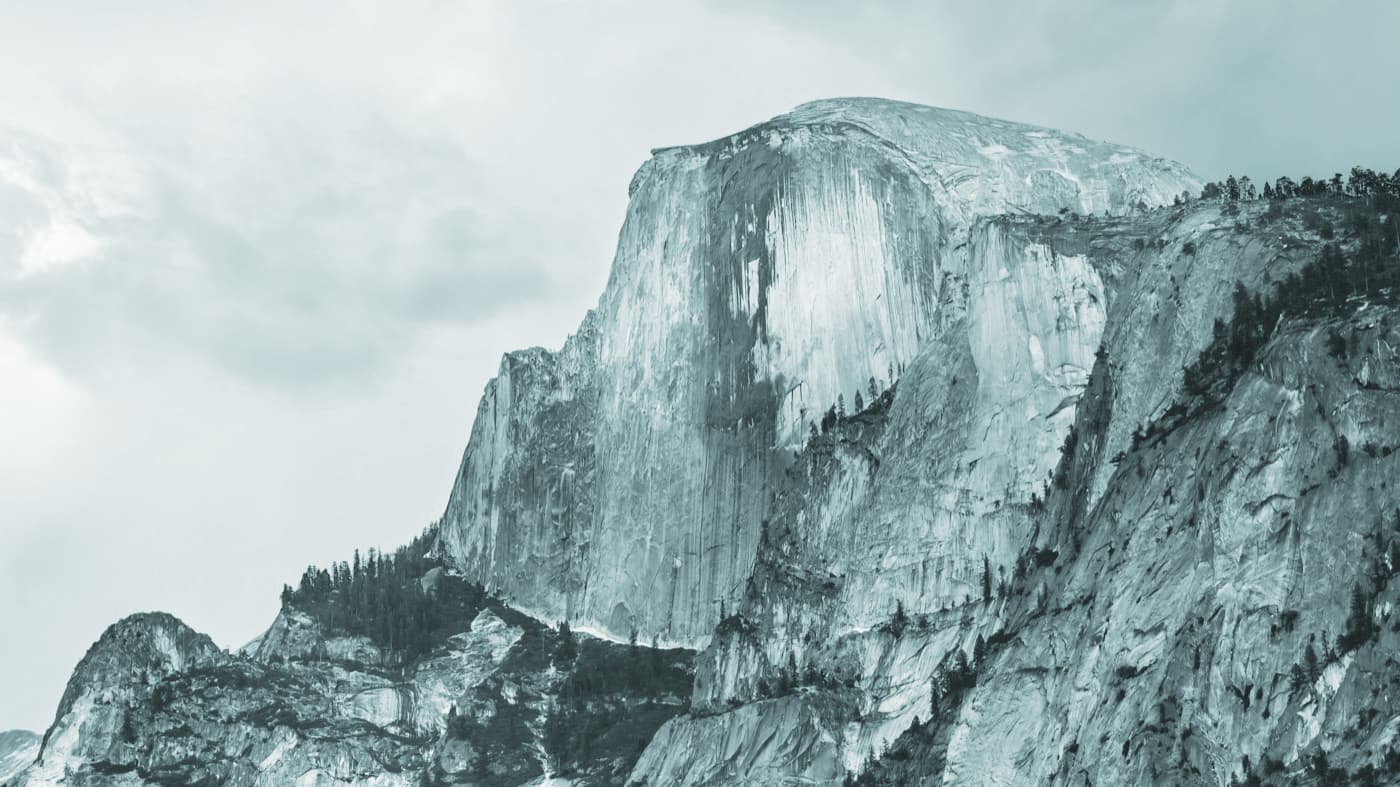
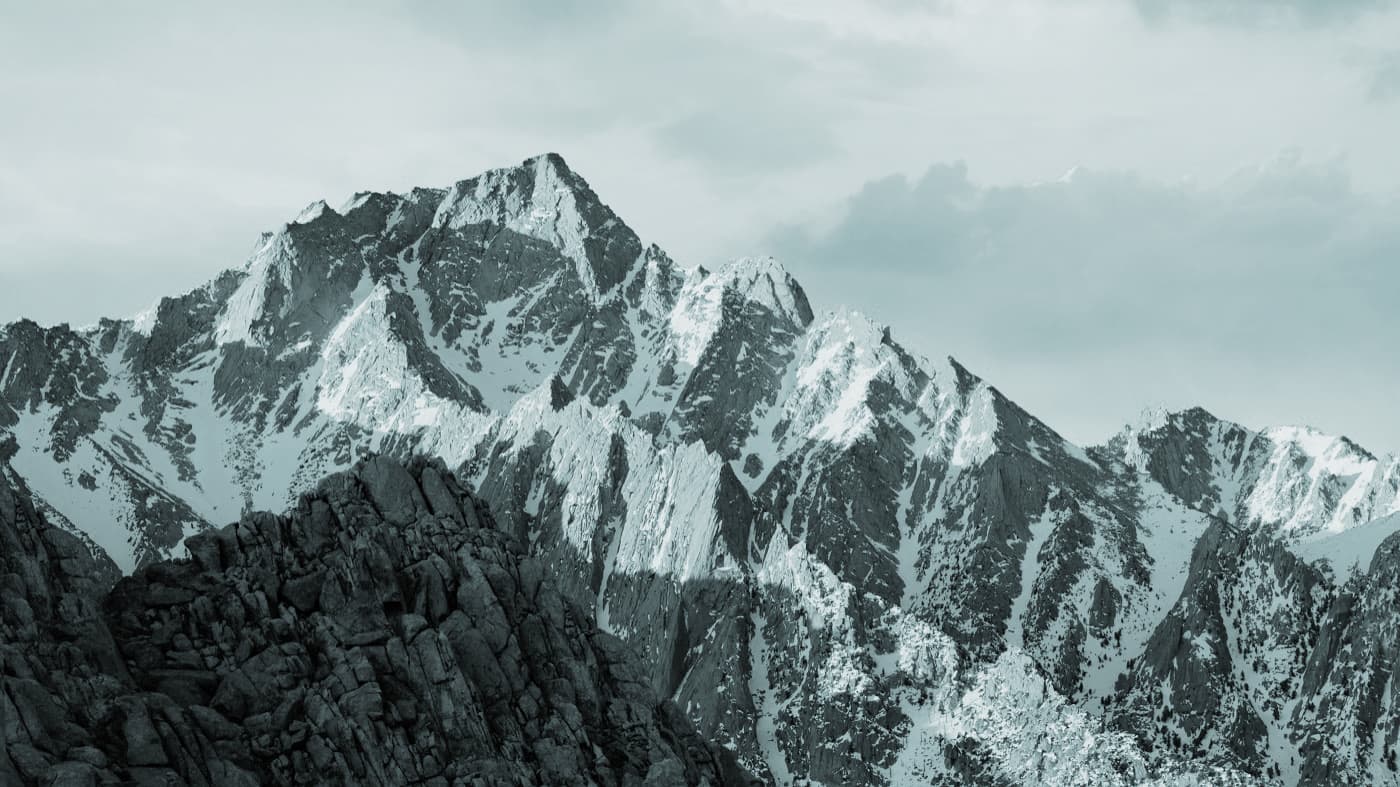
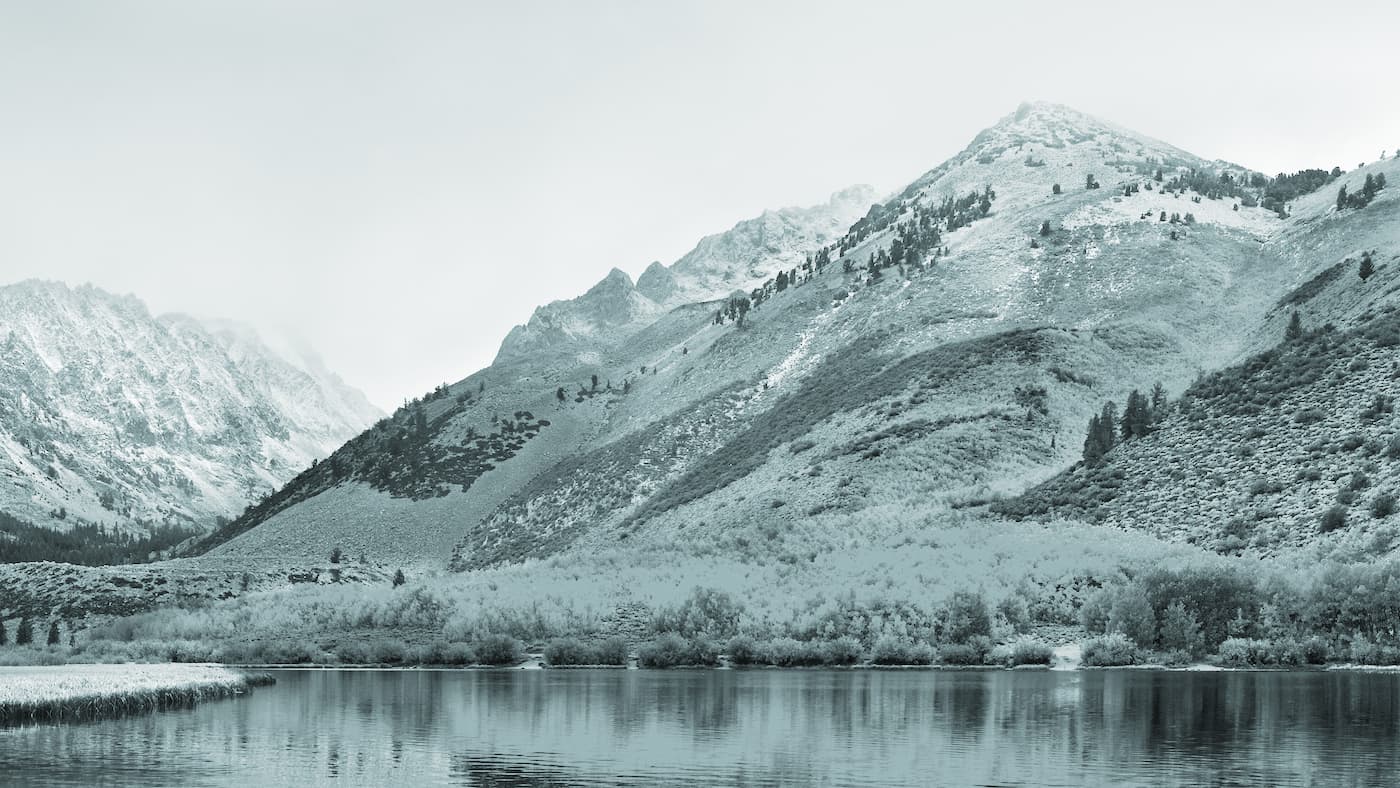

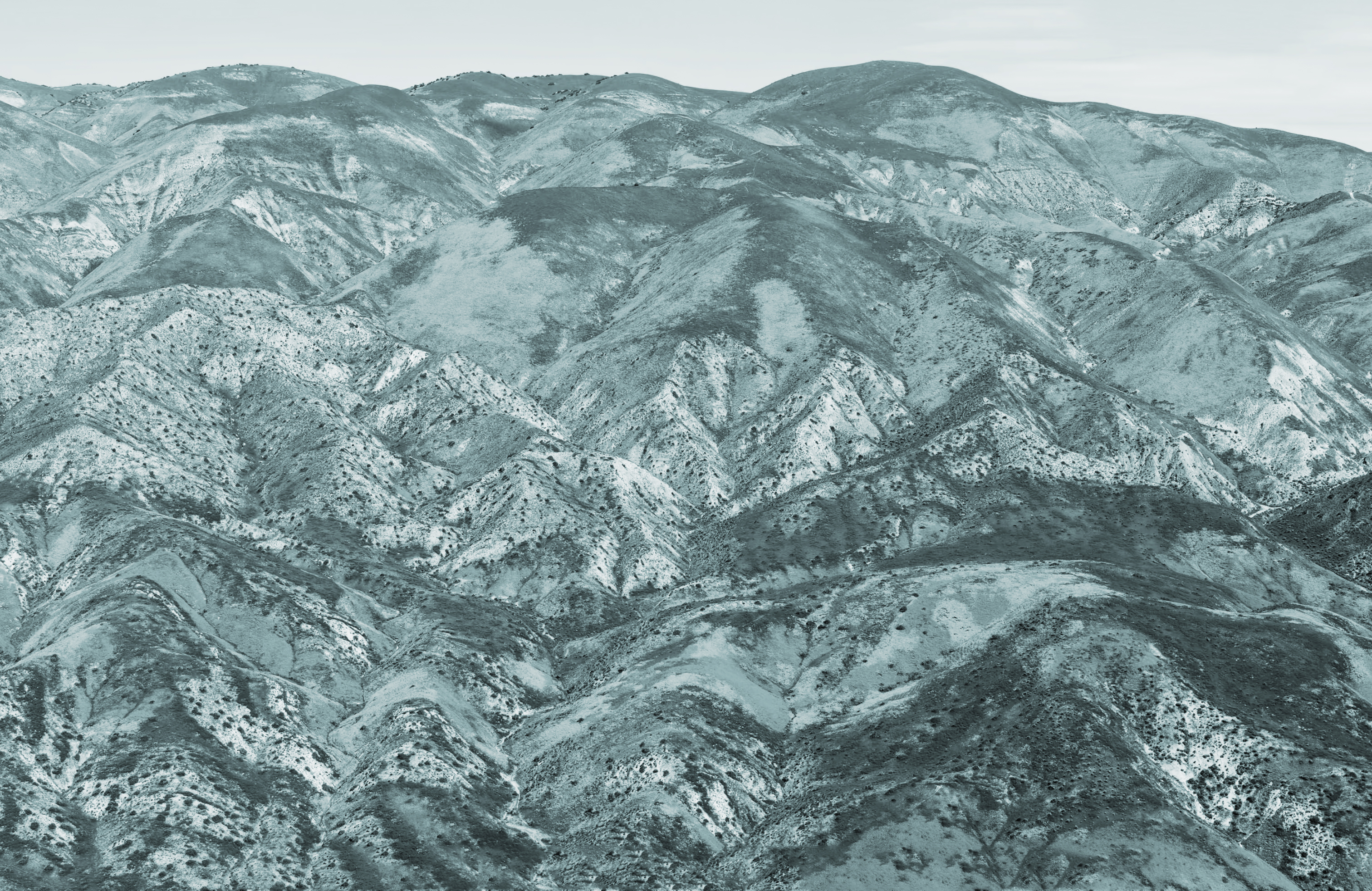
In the visually overstimulating culture of the 21st century, the lengthening exposure to “light, cascading through the shiny, polished glass of the screen”—as Alex Quicho pointed out during her GIRLSTACK lecture in 2023—became the main incinerator responsible for impulse-modelling. 23 Most of the time when we gaze into the screen, we desire something on it. The same luminous layer trained personal attention to filter out the exploitative activities that enabled it.
The Prep
A constant in the ever-changing planetary dynamics is that any travel needs to be preceded by proper preparation. A fitting definition for it would be the mentally draining, and boring yet undeniably crucial part of traveling which demands harnessing forecasting powers so that nothing can get in the way of a perfect experience. The prep is an immediate manifestation of the anxiety that—since there is hardly time to indulge in self-soothing tendencies—everything must go well.
First, one needs to decide from the pool of available destinations and organize means to get there. The weight of making a perfect choice drives people to seek help from travel agencies. 24 As with any developing service of our generation, most travel agencies migrated online, making it faster to plan trips from home. Some of the most well-known ones are Booking.com and Airbnb (contemporary brokers of spaces and prices) who, while promising to “make it easier for everyone to experience the world by investing in technology that takes friction out of travel” and “help create a world where people can belong anywhere by living in a place rather than just traveling to it” respectively, are manipulating users into renting accommodations in illegally seized territories 25 and negatively impact the quality of life of indigenous residents. 26
Ultra-smooth experiences have come to signify the platform era, which erased human traces from its interaction-based environment. Quoting Alex Quicho, the predominant goal of the platform era has been to render consumption frictionless and switching between different environments (apps) uninterrupted.
Strategically pressured into making a quick choice and sealing it with submitting payment details, the remaining preparations include reserving travel tickets, applying for visas—an inherently racialized and discriminatory process 27 —and hoping for their approval, suitcase-packing, and confirming documents (passport/ID) validity. The same kind of preparation is required for platform users. Penetrating the screen involves a state change from the physical, biological space of the corporeal viewer to the symbolic, metaphorical consensual hallucination of cyberspace. The transition from offline to online is made possible through avatars. In computing, an avatar is a graphical representation of a user, the user's character, or persona. They can take on the form of 2d icons, or 3d models. It derives from the Sanskrit word avatāra. In Hinduism, it stands for the descent of a deity into a terrestrial form. 28 In platform culture, it is the terrestrial form that turns meta. The transformation from physical to digital happens through platform-baptism during which we gain a new (user)name and confirm our existence online. Depending on the platform it can be as simple as selecting from the ready-made avatar models waiting for our life-giving finger tap to become our platform stand-ins, choosing a picture from our camera roll, or by a personalized customization where we get to make our avatar as similar or different from our actual appearance as we’d like.
No avatar or username equals no account equals no access. The same logic applies to owning a valid passport—no valid document equals no travel. Therefore, the essence and cruciality of the prep phase lies in granting access. The passport/account verifies your identity permitting you to enter different spaces. It is a key to the world embossed with a name and photo. 29 This key however doesn’t come without an implication of privilege and control. Passports in the form we know today serve as the main identity certificate when crossing borders. On as little as 125mm by 88 mm, they hold information from full name and citizenship to biometric identifiers such as fingerprints, face, and iris structure. The current standard for passport pictures is a black-and-white mugshot, with face and eyes fully visible and mouth closed in a “neutral” (non-smiling) manner. Neutrality generates better matches for face-scanning softwares. Stiff guidelines, time pressure, and the judging camera lens leave many people dissatisfied, to say the least.
A 2022 platform trend changed the way people approach this act. Started on TikTok by Georgia Barrat as a make-up tutorial became a viral guide how to redefine mugshot-photography into a new standard of attractiveness—bare and “natural” invitations to engage with our profiles. Worldwide, users began updating their profile pictures by this self-defined go-to format, until circa mid-2024.
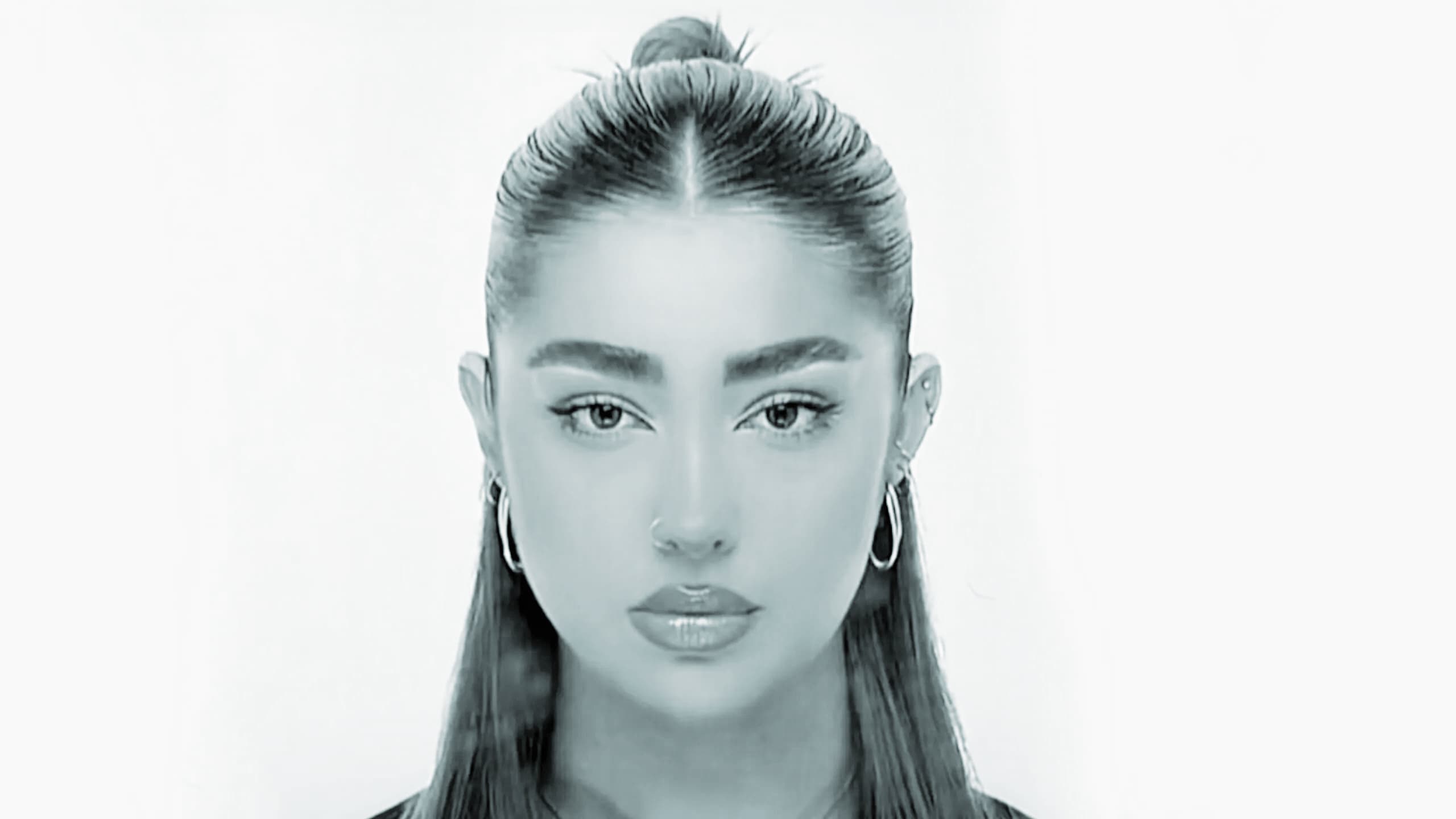
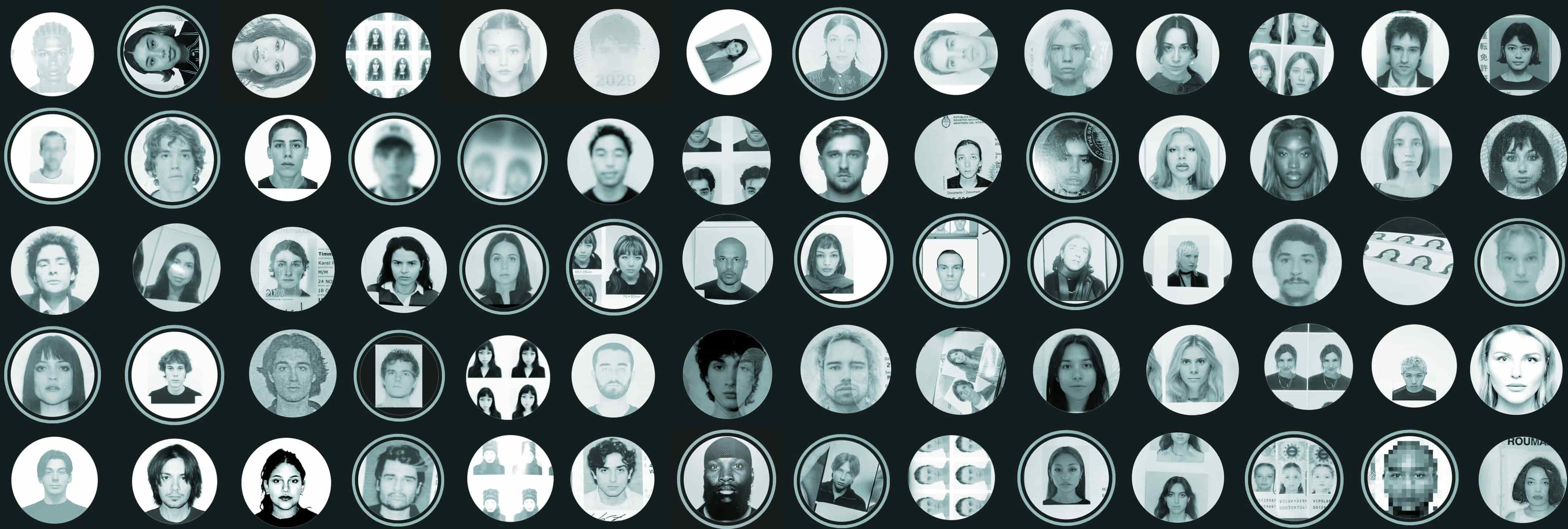
While the unified platform-face-phase made an impact for a few seasons and could be understood as a logical activity since our profiles on the platform are passport stand-ins, the format of the profile picture is not imposed a priori and can be changed at a whim. The same goes for the username as long as it's unique enough to be the only one existing on the given platform. The comfort of non-binding decisions in how one wants to appear online masks the reality of personal data 30 fed to the platform.
IRL 31 we pay money to acquire a passport, on the platform we pay with data. Whether offline or online as long as we are willing to submit to external surveillance and control systems, we have a right to be a tourist.
The Travel
Stepping out of one's day-to-day environment is the condition for becoming a tourist. As exciting as leaving your home grounds is, it includes hardships such as unforeseen delays, traffic, lengthy travel- and waiting time, or dangers of accidents due to vehicle malfunctions.
Romanticism—known for its predilection for the foreign, remote, and mysterious—glamorized traveling and resulted in a reinterpretation of the anxieties that accompany it. One of the movement's most defining works—Wanderer Above the Sea of Fog by Caspar David Friedrich—represents the first prototype of a tourist. While having certain expectations of what the journey will bring, the thick layer of fog prevents the wanderer from knowing what he’s about to pass through. His wander is a confrontation with the Unknown, which could be seen as either a sign of stupidity or intelligence. What if embarking on a journey despite not knowing puts his life at risk? But, by refusing to take that leap, he would deprive himself of the pleasure of experiencing something new. Romantic wanderlust 32 and Fernweh 33 cultivated the desire to conquer fear in pursuit of self-improvement. Just like a flame that draws the moth in, the fog strengthens the wanderer’s desire to travel rephrasing the fear of the Unknown into the thrill of the Unknown.
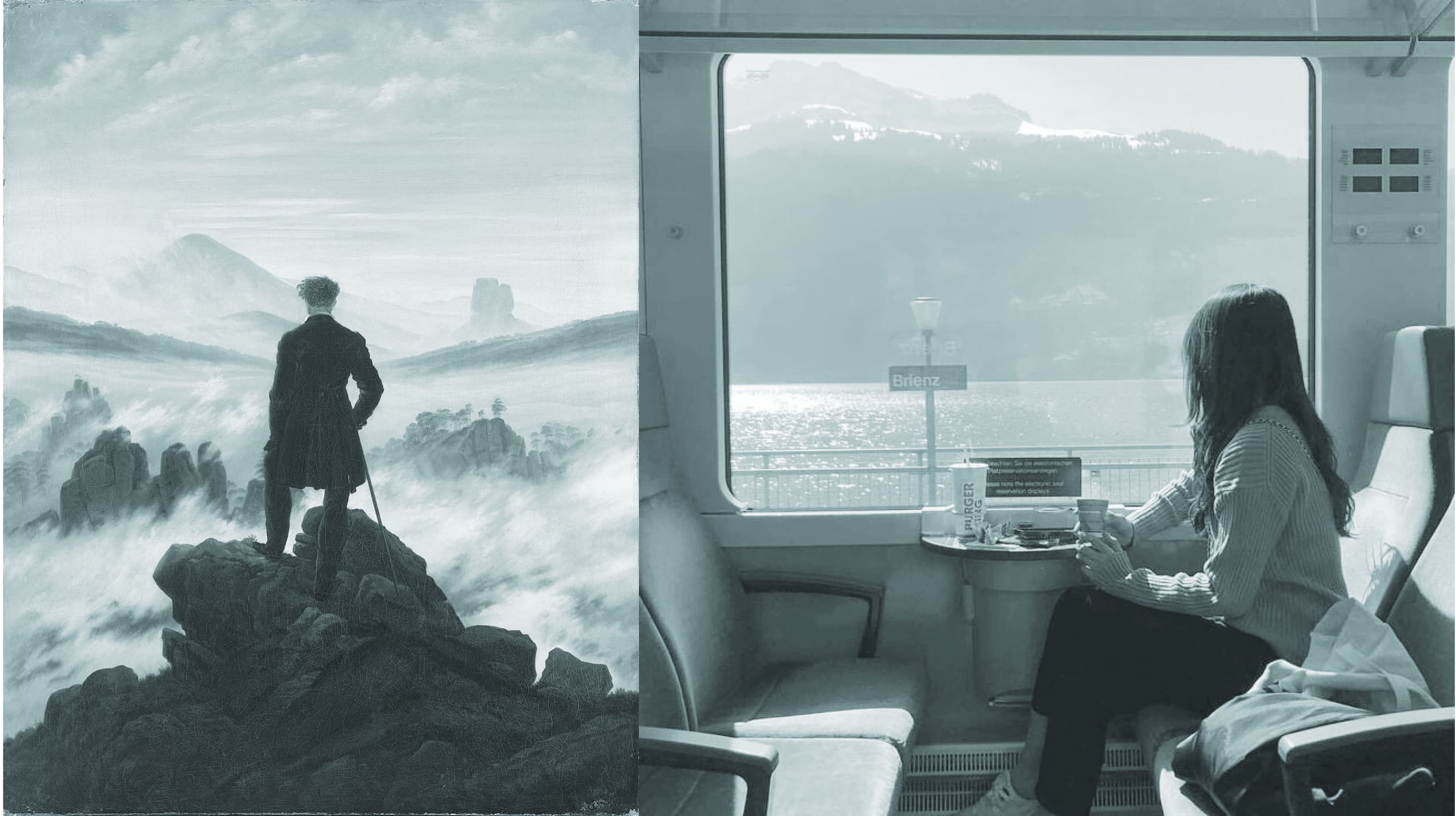
FIGURE 13. (right) Main character energy while travelling. 2024. From Medium, article by @dmlfyv.
Inspired by the human instinct to track progress and impressions, many tourists record their experiences in travel diaries. 34 Early European records from non-European contact, while promising reliable and factual eye-witness stories, sought to impose European ideology on their expanding physical world. Those fictional first-hand accounts encouraged many to follow in their footsteps. They currently exist predominantly in the video format of vlogs and reels. Started in 2000, vlogging—a blend of video, text, images, and other metadata—became a primary tool for individuals to document their activity. 35
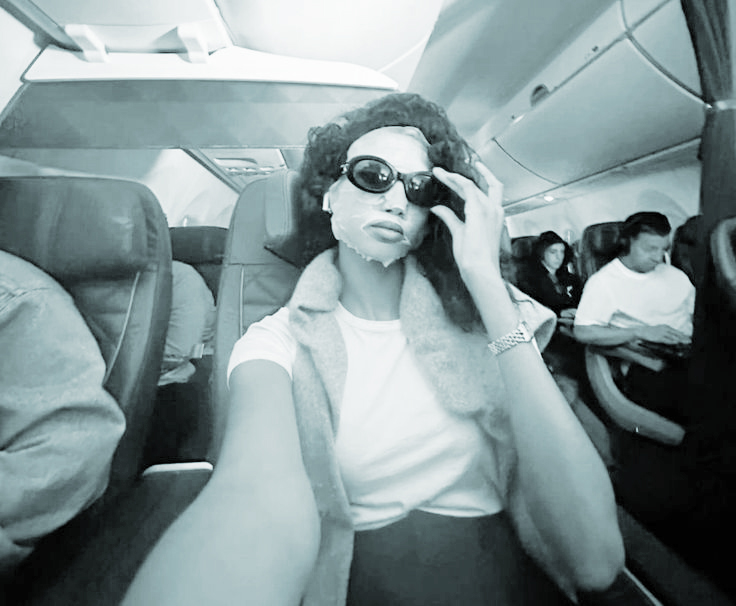
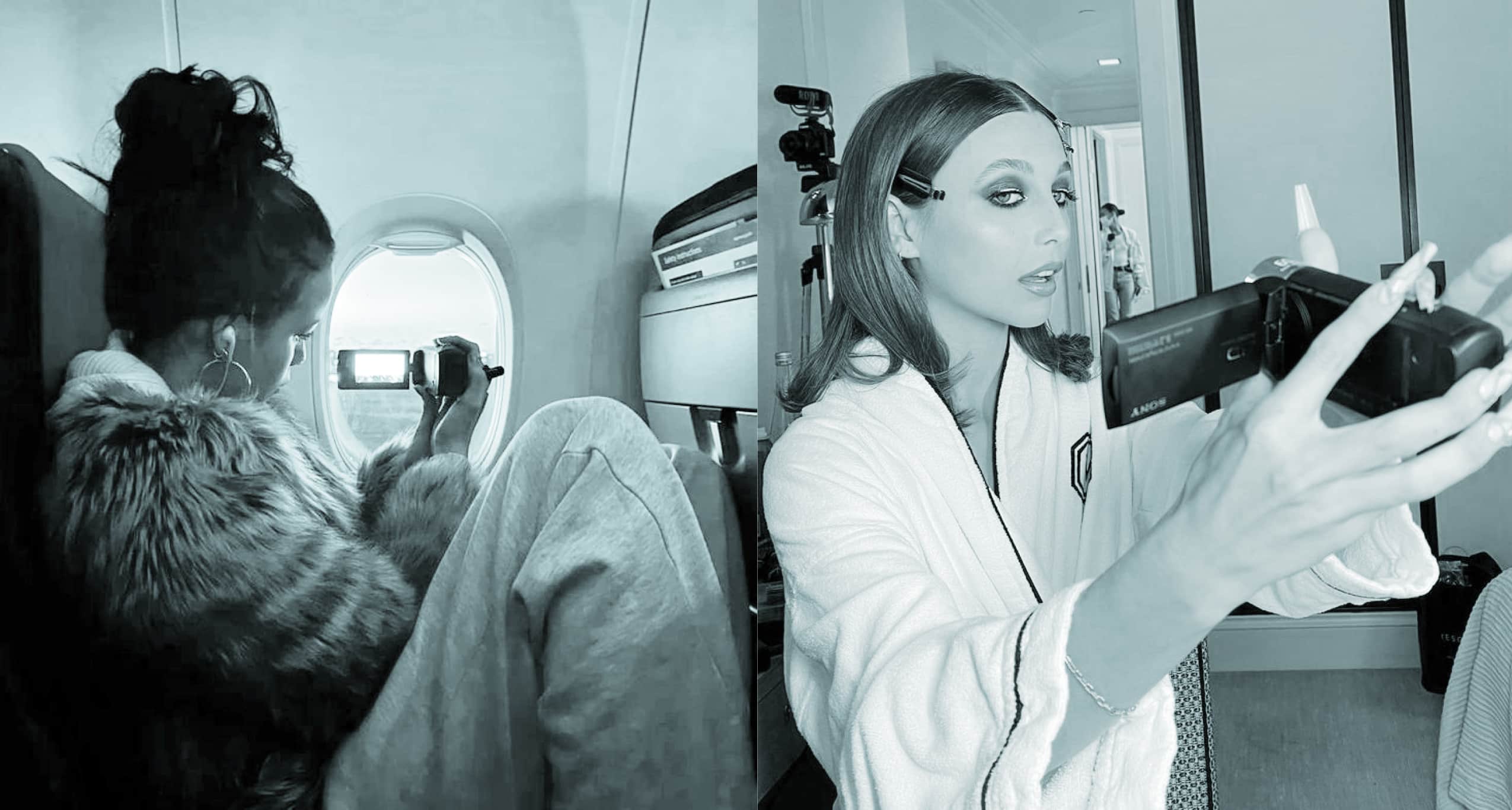
FIGURE 16. (right) Vlogging. 2021. From Instagram (@nailsbymarysoul).
The unique, first-person storytelling, enabled by a camera, has made many people’s lives feel like movie scenes. This shift in perspective ties directly into Main Character Energy, a recent internet-born term that reflects the idea of seeing your life as a narrative where you’re the protagonist. It encourages taking charge of your story and embracing a sense of adventure in how you spend your free time. Many travelers adopt the main character feeling, gazing out the window as they daydream about upcoming adventures. Therefore, the window is a bridge between the familiar and the unknown and a portal to becoming a tourist.
In computing, a window is a visual and interactive space that allows users to manage and interact with software, typically as part of a larger operating system environment. Multiple windows in a graphical interface enable efficient multitasking, serving as tools for productivity and gateways to data, communication, and entertainment through the screen. 36 The light illuminating from its surface, just like the flame for the moth and the fog for the wanderer, generates desire for exploration. A desire constantly fueled by the platform’s Explore page. Platforms serve as aspirational spaces, drawing users in with the promise of discovering something new. Sharing private data and coordinates seems a small price to pay in return for access to new knowledge, connections, and experiences. In contrast to IRL-travel, which involves the dea of a body in motion, traveling through the platform’s architecture puts the body in a state of immobility. A voluntary hyperimmobility that goes against notions of progress and freedom and tortured us during the pandemic lockdown. Realizing that screen windows were the closest to the outside world we could get, motivated many to simulate travel. Jeroen Gortworst, a Dutch NOS News reporter, replicated an airplane flight with the help of his washing machine. 37
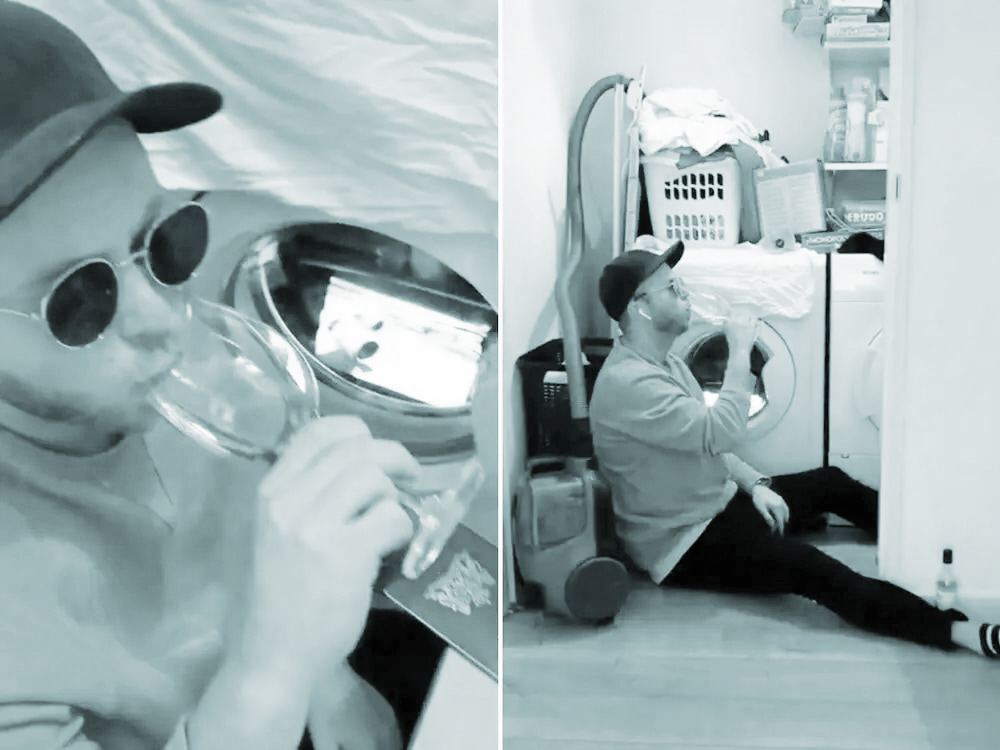
From Dailymail.com.
If we so desperately rejected being stuck at home, why do we choose to be stuck on the platform? Even if movements like European offline romanticism 38 entered the discussion, we need to acknowledge that traveling and being on the platform became inseparable. Tourism shapes platform activity, and platforms dictate touristic appeal. Platforms such as Instagram and Facebook replaced photo albums as spaces to store travel memories, while platform trends guide tourists to select destinations for specific experiences. Posting online validates our travels.
However, tourist mode, whether through physical travel or online exploration, opens up the opportunity for discovery with curiosity, free from fixed expectations. It doesn’t guarantee authenticity but serves as a navigational tool to help rediscover it.
The Exploration
Finally! The Avatour has reached its destination!
The destination, the Unknown (space), previously existed merely as assumptions that inhabited the tourist’s mind during the travel phase. Envisioning how we will feel and what we will do in new geographies plays a vital role in shaping the appetite for exploration. 39 Upon arrival, we also realize that we step into an environment where most probably no one knows us. The destination acts as a reset button for our identity allowing us to consider how we would like to be perceived during our holiday. There is an interesting relationship between the secrecy we adopt to allow ourselves to form new connections and impressions (detached from what we’ve been molded into our whole life). The secrecy of being unknown on location, allows tourists to move into a state of openness.
Hiroki Azuma in Philosophy of the Tourist (2023) frames the tourist figure as a link between private lived sensations and public foreign affairs, all while remaining private. That means that the tourist exists outside of politics as an anonymous agent. Like a newborn that comes into the world, the tourist needs to learn everything about the new surroundings. Infatuated by the metaphorical rebirth, tourists enter exploration mode, during which the Unknown loses its prefix and becomes familiar. Exploration is the chance for enlightenment and the biggest attraction of tourism. We are likely to encounter things we wouldn't back in our home countries. Azuma gives the example of people going to an art gallery on holiday even though they don’t even like art. Or how in the 1900s guidebooks of the Paris Exposition recommended visiting sewers, morgues, and slaughterhouses as attractions. 40 Trevor Noah's 2018 sketch, Son of Patricia, humorously highlighted how visiting the homes of locals (what he called poverty porn) was marketed to tourists as “an authentic Bali experience.” The tourist as a distinct consumer category cannot be delinked from the drive for capitalistic gains. It is not the link to capital itself that renders the tourist problematic, but rather the overdetermination by things like TX (tourist experience, much like UX and catering to the consumer category of platform users). The fabrication of authenticity in experiencing locations, and propagating polished and sanitized versions of the destination, not only generates unified impressions of places but contests the realism of the experience on-site altogether. The touristic illusion is glued onto the site's actual topography, and what remains is an exploration of synthetic nature.
Artist Lara Almarcegui, whose work focuses on the border between urban renewal and urban decay, unmasked this process by taking down a wall that used to separate the city of Tai Pei from a neglected house to reveal how city planners hid decaying architecture to boost the city's attractiveness for tourist. 41 Since mainstream tourist behavior is designed by marketing teams, who study their desires on day-to-day platform activity, it creates conditions of ultimate convenience for the tourist, who enters into a state of ultimate passivity. As Pawley writes: “Today we live in a part natural, part man-made environment that is swamped by fast-evolving intentions.” The latter includes the technology layer or tele-reality shaped by electronic awareness. This tele-reality does not blind us but changes the nature of what we think to have seen. 42 In turn, what is disseminated for the tourist to see are only staged images.
The development of tourism and photography went hand-in-hand with 19th-century France as its cradle. Developments in the field of photography and the growing popularity of its digital form established the dependence of the tourists' existence on the camera. First, photographs/videos of the host community formed the impulse to travel. On location, it allowed us to capture moments precious to the exploration. The photo became proof of the tourist activity, and tourist’s existence as a whole. Recording anything that seems different from home resulted in a compulsive photo-taking habit and the freezing of bodies in selfie-pose. It also made evident that the photograph became more important than the lived experience. Susan Sontag wrote how consumption is fundamental to the medium of photography. In the introduction of photographer Peter Hujar’s book, Portraits in Life and Death (1976), she wrote that: “Photography converts the world itself into a department store or museum-without-walls in which every subject is depreciated into an article of consumption, promoted into an item for aesthetic appreciation.” Instagram led us to become 24/7 flâneurs stuck in this department store at all hours of the day. The platform became defined by online performativity and aggravated the society of the spectacle, in which capitalism has led people to become more obsessed with aesthetic value rather than experiences. 43
Photographs became a requirement for users to communicate. While in the early stages of the platform, photographs seemed genuine, tools like Photoshop, FaceTune, (face)filters, and other photo-altering tools reframed it as a performed illusion. Jennifer in Paradise was the first digital image demonstrating that software could be the promise of a more perfect world. Jennifer, who like a real tourist main character gazes into the turquoise waters of Bora Bora, is the last person to inhabit a world where the camera never lied. 44 Dutch artist, Constant Dullaart, celebrated Jennifer’s 25th birthday by recovering the photograph in his exhibition with the same title. In a series of distorted paintings, while contemplating the impact of technology on society and memory, he steganographically concealed a message to Jennifer Knoll (the woman in the picture) in which he acknowledges how this image played a significant role in shaping digital culture and wonders about Jennifer's thoughts on its unintended fame. 45 46 Jennifer herself became a muse for contemporary image-making standards, proving reality to be moldable. She reminds of times when the authenticity of the photograph upload could be trusted.
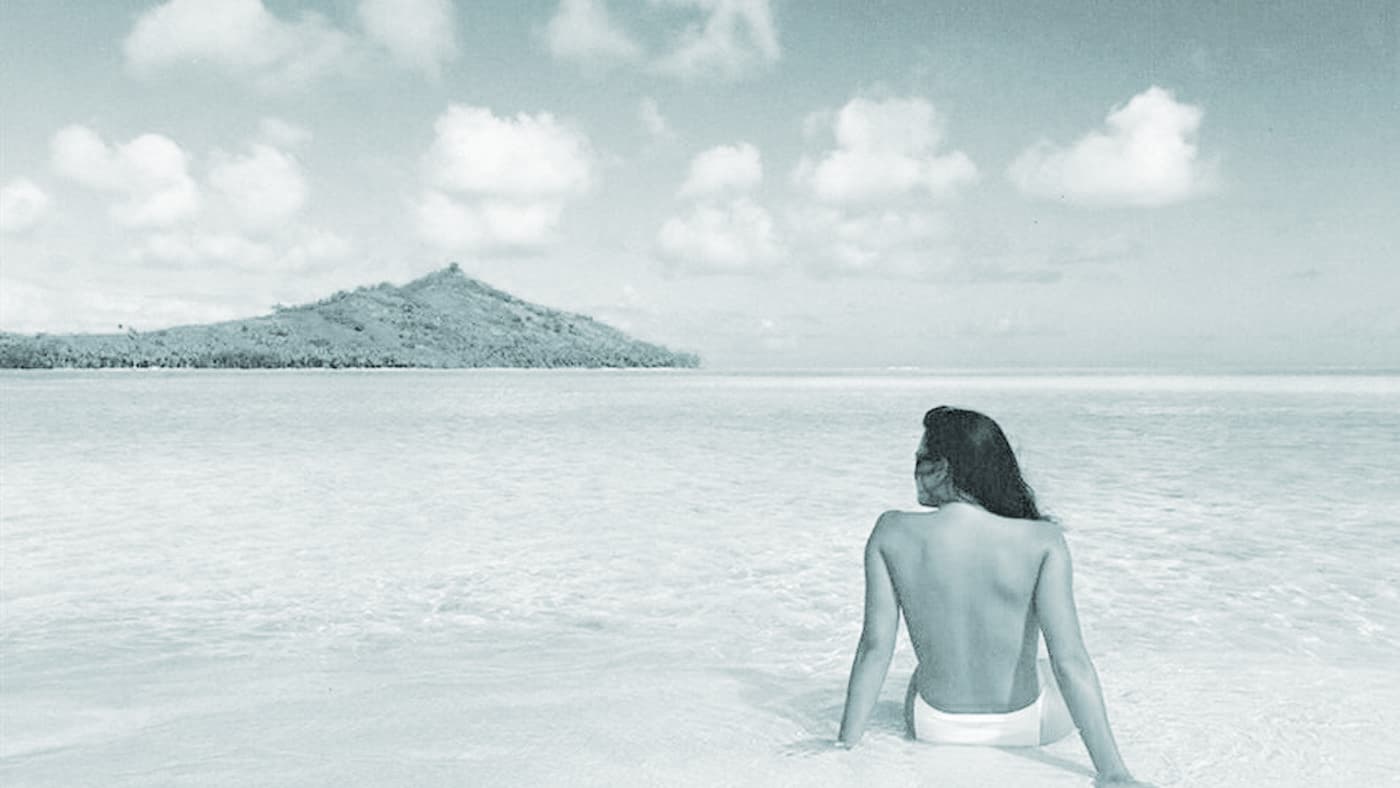
The platform further blurred the distinction between real and fake, and AI carries on its legacy. Regardless of blue-check validations, the lack of authenticity radiates through each pixel of the screen. The backend of digital platforms relies on the classification and discrimination of data tracking our activity. Online, the time we spend marveling at a piece of content gets tracked and informs the content that will be fed to us in the future. The architecture of the platform makes true exploration impossible. The Explore Page is a lie. While users appreciate the way the platform knows them and helps them to make decisions, when scrolling in the way the platform intended there is nothing authentic about their presence online. The spectacle was exacerbated with the introduction of the algorithmic feed.
In March 2016, Instagram started transforming its feed from chronological order to algorithmic meaning that rather than seeing posts how they were posted we now see posts would be displayed first based on like- and comment-based performance. Kyle Chayka explains algorithm impact in his book, Filterworld: How Algorithms Flattened Culture (2024): “The byword was engagement: whatever was popular would be pushed to become more popular; whatever didn’t get immediate attention was deemed undeserving and allowed to slip quickly into the void. Algorithms sought to “personalize” feeds, but the effect was that social media began to feel less personal.” 47
Why do we then still choose to be stuck on the platform? The answer to this question might lie in the word user suggesting the addictive nature of social media. Just like cigarettes, they are hard to quit. Quoting Geert Lovink: “Bored with social media but with nowhere else to go, you're damn sure you've lost interest in everything you were once passionate about.” 48 Julia Roberts in “Eat Pray Love” (2010) described this feeling by saying “I used to have this appetite for food, for my life and now it's just gone. I wanna go someplace and marvel at something.”
An updated tourist mode might be a solution to it. Aware of the seasonal tourist floodings, people increasingly try to plan their holidays around them. Tired of the artificial experience offered by tour guides and travel agencies during organized trips, self-organized trips start to take over. Resisting TripAdvisor recommendations and letting the destination guide you. What if you consciously include randomness into your exploration, get on a random bus, leave at a random stop, walk for a few hours. Then repeat.
Off-the-beaten-track alternatives might be the promise for incorporating a more responsible exploration into the platform. Tourist mode could offer what Tiqqun called new cartographies, new navigating maps, and new orientation tools. 49 Instead of rejecting the existence of technology, the Avatourist should go through it and accelerate into a mode of unstuckness. Accelerate into total tourist to detach yourself from experiences prefabricated by platform architects. This particular form of detachment creates a lot of blank space for the tourist to navigate, inviting the Unknown back in.
We should make it our goal to resist automation, which through making decisions for us goes against evolutionary progress. We need to resist passivity. We need to find ways to get obsessed with our lives again rather than surrender to rotting-scrolling. Instead of brainless engagement design your Avatour with a series of hashtags. Join platforms outside of the mainstream. Turn off autopilot, skip the instructions, and allow yourself to explore its mechanisms. Figure out ways to glitch the platforms you inhabit already. Allow yourself to holistically take in the provided content, this time experiencing emotions and being affected by it, rather than brainlessly scrolling.
The Return
As the Avatour nears its end, the time has come for post-travel reflections.
While physical travel requires a valid passport, access to the platform world requires its digital equivalent: data stored in user accounts. Unlike physical travel which requires the body in motion, digital exploration traps the body in a state of inertia that challenges traditional notions of progress and freedom. In both cases, submitting to surveillance is the price for mobility.
Tourist-mode offers a potential solution to reclaim authentic exploration within the platform. By consciously navigating the platform's mechanisms—experimenting with hashtags, joining alternative platforms, and stepping away from autopilot—we can break free from algorithmic control. Turning off notifications, creating passwords we’ll forget, and engaging more intentionally on the platforms can help us rediscover the value of exploration. In doing so, we can embrace being a tourist unashamedly, exploring not just new places, but new ways of being in the digital world.
More Avatours need to happen to fill in knowledge gaps and more
questions need to be asked – who even gets to be a tourist? Who is
not granted access in the same way as me? Who gets stopped at the
borders? Who gets searched at airports?
Hopefully,
this Avatour can be a useful pilot for doing that.
Avatour—Unpacking Platform Tourism
Patrycja Fixl
Royal Academy of Art The Hague, 2025
Special thanks to:
Alex Quicho, Ilga Minjon, Prof. Dr. FÜsun TÜretken
for mentorship, guidance, inspiration, references and support
François Girard-Meunier, Martijn de Heer, Pascal de Man, Thomas Buxo, Joana Sobral
for coding guidance and technical support
Aleksandra Fixl, DagnÝ VignisdÓttir, JoÃo Soares, Joana Sobral
for proofreading, critical feedback, nurturing ideas and encouragement
Nu Zając
for permission to use the Didai Font